No. 1 Haitu Road, Xiangzhi Town, Shishi City, Fujian Province China



Sardines: A Nutritious and Versatile Seafood Choice
Sardines are small, oily fish, rich in omega-3 fatty acids, protein, and calcium, commonly canned for convenient, healthy meals.
Mar 09,2026
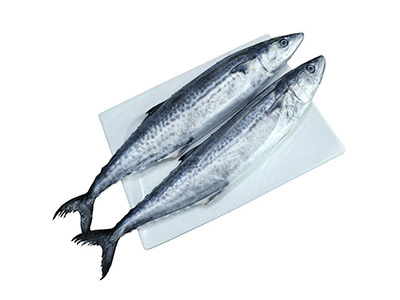
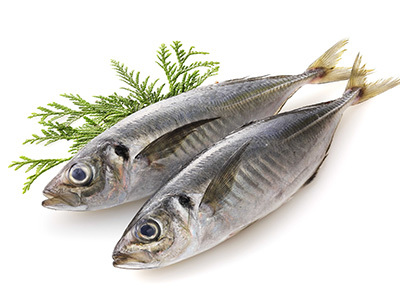
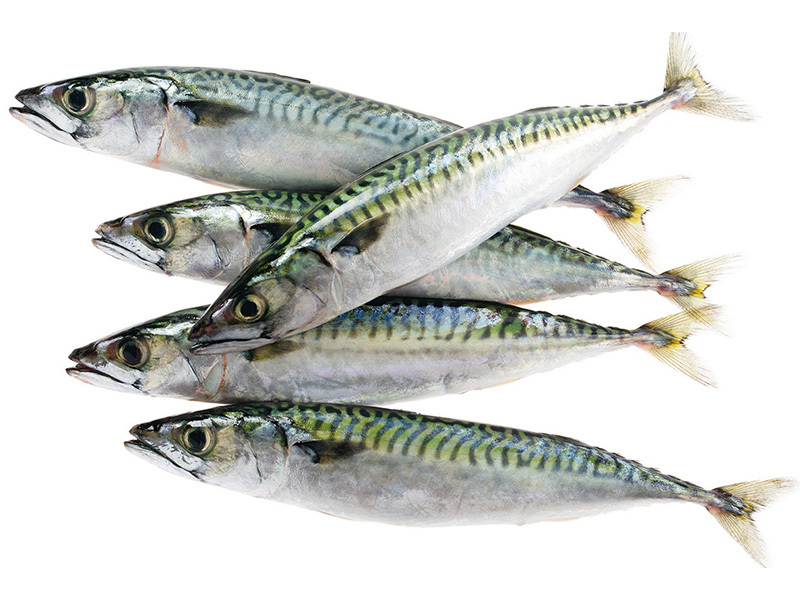
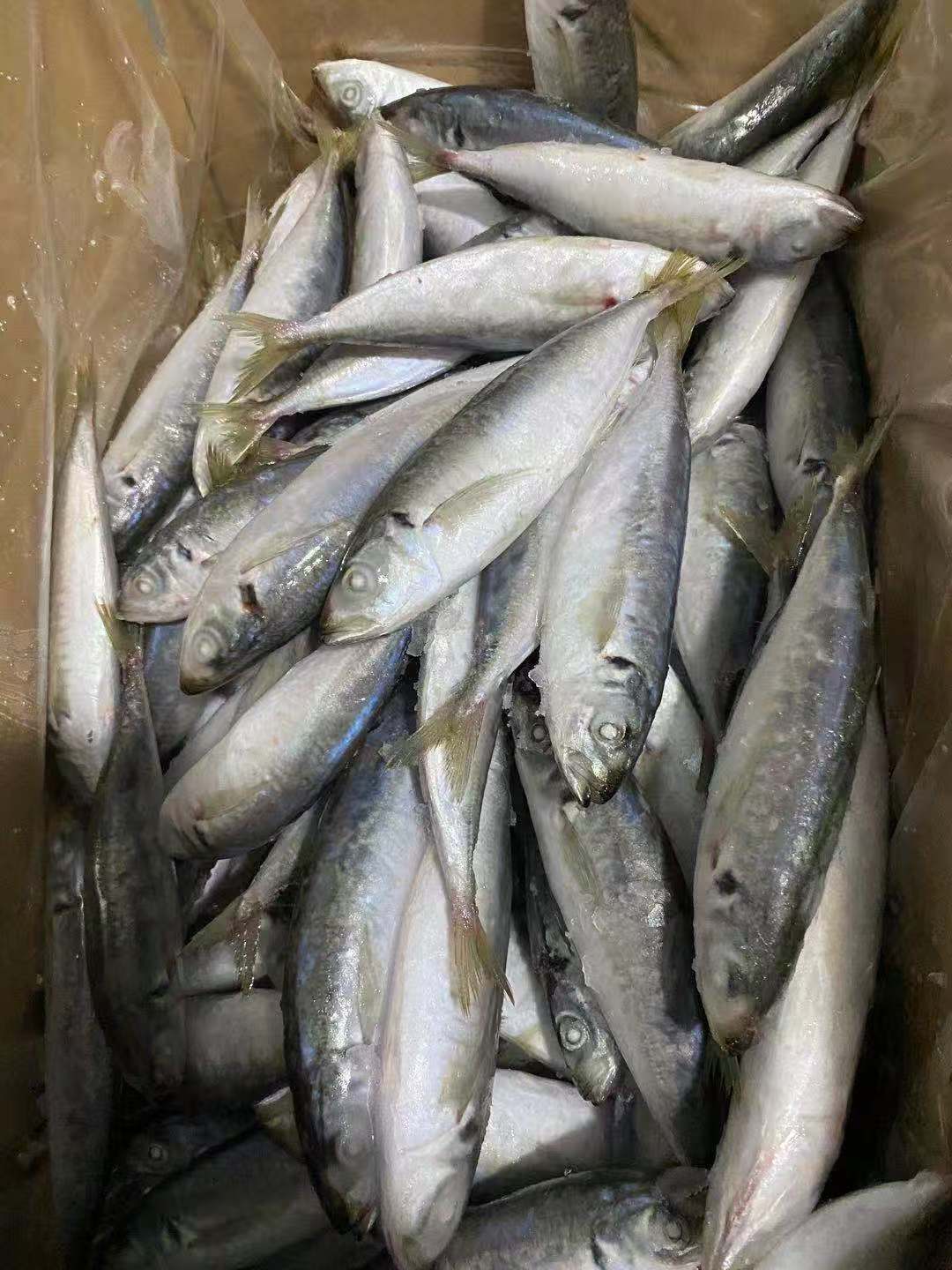
Sardines are small, oily fish that belong to the Clupeidae family and are found in oceans worldwide, including the Atlantic, Pacific, and Mediterranean seas. Known for their distinctive silver bodies and strong flavor, sardines have been a dietary staple for centuries due to their high nutritional value and versatility in cooking. These tiny fish are usually harvested when young, which ensures their tender texture and delicate taste, making them ideal for canning, grilling, or adding to various recipes.
Nutritionally, sardines are considered a powerhouse. They are exceptionally rich in omega-3 fatty acids, which are essential for heart health, reducing inflammation, and supporting brain function. Omega-3s help lower cholesterol levels and blood pressure, promoting cardiovascular health. In addition to healthy fats, sardines are an excellent source of high-quality protein, which supports muscle repair and growth. They are also abundant in essential vitamins and minerals such as vitamin D, calcium, vitamin B12, selenium, and phosphorus. Vitamin D and calcium, in particular, contribute to strong bones and teeth, making sardines an ideal choice for individuals at risk of osteoporosis.
One of the key advantages of sardines is their low mercury content compared to larger fish like tuna or swordfish. This makes them a safer option for frequent consumption, including for pregnant women and children. Their small size means they accumulate fewer environmental toxins, while still providing the nutritional benefits of larger fatty fish. Furthermore, sardines are often sold canned, which not only extends their shelf life but also makes them convenient for quick meals and easy to store without refrigeration.
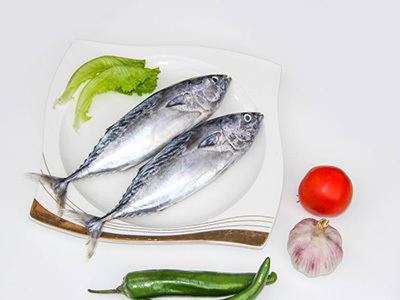
Culinarily, sardines are highly versatile. They can be enjoyed straight from the can with crackers or bread, incorporated into salads, pasta dishes, and sandwiches, or grilled with herbs and olive oil for a more gourmet approach. In Mediterranean cuisine, sardines are commonly marinated, smoked, or preserved in olive oil, enhancing their flavor while maintaining their health benefits. Sardines can also be blended into spreads or pâtés, added to pizzas, or even used in stews and soups. Their rich flavor pairs well with lemon, garlic, tomatoes, and fresh herbs, making them adaptable to a wide range of dishes.
Sardines also play an important role in sustainable fishing practices. Because they reproduce quickly and are low on the food chain, sardine populations can be managed more effectively than many larger, slow-reproducing fish species. Choosing sardines supports sustainable seafood consumption and helps protect marine ecosystems.
In addition to their health and culinary benefits, sardines have cultural significance in many parts of the world. In Portugal, Spain, and Italy, sardines are celebrated in festivals, grilled over open fires and served fresh to locals and tourists alike. They have also been a staple in Japanese and Filipino diets, often incorporated into traditional recipes and street food. The global appreciation of sardines reflects their accessibility, affordability, and long-standing role in human nutrition.
In conclusion, sardines are a small fish with a big impact on health, cuisine, and sustainability. Their rich nutritional profile, low mercury levels, and culinary versatility make them an excellent choice for people seeking a convenient and wholesome source of protein and healthy fats. Whether eaten straight from the can, grilled, or added to complex dishes, sardines offer a combination of flavor, nutrition, and ecological responsibility, solidifying their place as one of the most beneficial seafood options available today.




Contact Information
Address: No. 1 Haitu Road, Xiangzhi Town, Shishi City, Fujian Province
QR Code

Enterprise official website