No. 1 Haitu Road, Xiangzhi Town, Shishi City, Fujian Province China


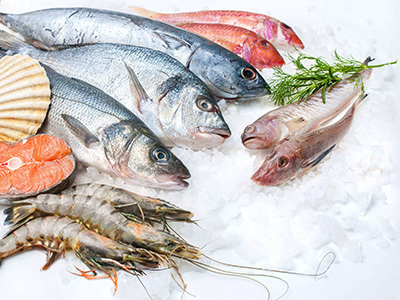
How to Properly Store Todarodes Sagittatus for Maximum Freshness
How to Properly Store Todarodes Sagittatus for Maximum Freshness Table of Contents Introduction to Todarodes Sagittatus Understanding Freshness in Seafood Best Storage Practices for Todarodes Sagittatus Temperature Control Packaging Methods How to Check for Freshness Freezing Techniques for Long-Term Storage Proper Thawing
Mar 09,2026
How to Properly Store Todarodes Sagittatus for Maximum Freshness
Table of Contents
- Introduction to Todarodes Sagittatus
- Understanding Freshness in Seafood
- Best Storage Practices for Todarodes Sagittatus
- Freezing Techniques for Long-Term Storage
- Proper Thawing Procedures
- Common Mistakes to Avoid
- Storing Todarodes Sagittatus in Different Forms
- Frequently Asked Questions
- Conclusion
Introduction to Todarodes Sagittatus
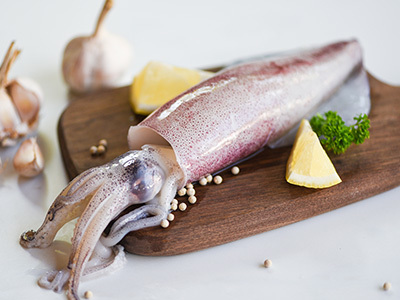
Todarodes Sagittatus, commonly known as the European Flying Squid, is a popular seafood choice revered for its tender texture and unique flavor. This cephalopod is widely enjoyed in various dishes, from grilled delicacies to exquisite sushi. However, to fully appreciate its taste, **proper storage is crucial**. In this article, we will explore essential methods to ensure that your Todarodes Sagittatus remains fresh and flavorful, from the moment of purchase to the time it hits your plate.
Understanding Freshness in Seafood
Freshness is a key factor influencing the taste and safety of seafood. In the case of Todarodes Sagittatus, freshness can significantly enhance its flavor profile and overall quality. To ensure maximum freshness, we must consider multiple factors such as **temperature, humidity**, and **packaging methods**. Understanding these elements will empower consumers to make informed choices, ensuring that they enjoy the best seafood experience.
Best Storage Practices for Todarodes Sagittatus
When it comes to storing Todarodes Sagittatus, following best practices is essential. These methods will help maintain its freshness and avoid spoilage.
Temperature Control
Maintaining the right temperature is vital for keeping Todarodes Sagittatus fresh. The ideal temperature for storing squid is **between 0°C and 4°C (32°F to 39°F)**. Here are some strategies to achieve optimal temperature control:
1. **Refrigeration**: Store Todarodes Sagittatus in the refrigerator promptly after purchase. Use a thermometer to ensure that the refrigerator remains within the recommended temperature range.
2. **Ice Packing**: When storing squid, especially during transportation, place it on a bed of ice. This method helps regulate temperature and keeps the seafood cool.
3. **Avoid Fluctuations**: Ensure that the refrigerator door is not opened frequently, as temperature fluctuations can lead to spoilage.
Packaging Methods
Proper packaging is essential for preserving the freshness of Todarodes Sagittatus. Here are effective packaging methods to consider:
1. **Vacuum Sealing**: Vacuum-sealing squid removes excess air, which slows down deterioration. This method is particularly effective for long-term storage.
2. **Plastic Wrap**: If vacuum sealing is not an option, tightly wrapping the squid in plastic wrap can help protect it from moisture loss and freezer burn.
3. **Containers**: For immediate use, storing Todarodes Sagittatus in a well-sealed container can help maintain its freshness in the refrigerator.
How to Check for Freshness
Before cooking or consuming Todarodes Sagittatus, it is essential to check for freshness. Here are signs to look for:
- **Smell**: Fresh squid should have a mild, ocean-like aroma. A strong, fishy odor indicates spoilage.
- **Appearance**: Look for a shiny, translucent body. If the squid appears dull or discolored, it may not be fresh.
- **Texture**: Fresh squid should have a firm and slightly bouncy texture. If it feels slimy or mushy, it is no longer fresh.
Freezing Techniques for Long-Term Storage
Freezing Todarodes Sagittatus can extend its shelf life significantly. Here are some techniques for freezing squid while maintaining its quality:
1. **Prepping for Freezing**: Before freezing, clean and gut the squid, removing any inedible parts. This step will help preserve flavor and texture.
2. **Blanching**: Briefly blanching the squid in boiling water for about 2-3 minutes before freezing can help maintain its color and texture.
3. **Freezing in Portions**: Divide the squid into meal-sized portions before freezing. This makes it easier to thaw only what you need, reducing waste.
4. **Using Airtight Bags**: Place the prepared squid in airtight freezer bags, removing as much air as possible to prevent freezer burn.
Proper Thawing Procedures
Thawing Todarodes Sagittatus correctly is crucial to retaining its quality. Here are recommended procedures:
1. **Refrigerator Thawing**: The best method for thawing is to place the squid in the refrigerator overnight. This slow thawing method prevents bacterial growth.
2. **Cold Water Thawing**: If you need to thaw squid quickly, submerge it in a sealed plastic bag in cold water for about 30 minutes. Avoid using hot water, as it can cook the squid.
3. **Microwave Thawing**: While this method is quick, using a microwave can lead to uneven thawing. If you opt for this method, cook immediately after thawing to prevent quality loss.
Common Mistakes to Avoid
To ensure maximum freshness, it is essential to avoid certain common mistakes when storing Todarodes Sagittatus:
1. **Overstocking the Refrigerator**: Overcrowding can restrict airflow, leading to temperature fluctuations. Ensure proper airflow around the seafood.
2. **Prolonged Storage**: Avoid storing Todarodes Sagittatus for extended periods. Even in the freezer, it is best used within three months for optimal flavor.
3. **Neglecting Cleanliness**: Always wash hands, surfaces, and containers before handling seafood to prevent contamination.
Storing Todarodes Sagittatus in Different Forms
Understanding how to store Todarodes Sagittatus in different forms can aid in maintaining quality. Here’s how to manage both whole and cleaned squid.
Whole Squid Storage
For whole Todarodes Sagittatus, follow these steps for optimal storage:
- **Keep It Whole**: Store the squid intact until you’re ready to cook. This practice helps retain moisture and flavor.
- **Minimal Handling**: Reduce handling to prevent bruising or damage that could lead to spoilage.
Cleaned Squid Storage
When handling cleaned squid, keep the following in mind:
- **Rinse Thoroughly**: After cleaning, rinse the squid under cold running water to remove any residual debris.
- **Dry Before Storing**: Pat the squid dry using a paper towel to remove excess moisture, which can lead to freezer burn or spoilage.
- **Store Promptly**: Place cleaned squid in the refrigerator or freezer immediately after preparation to maintain its quality.
Frequently Asked Questions
1. How long can I store Todarodes Sagittatus in the refrigerator?
Todarodes Sagittatus can typically be stored in the refrigerator for up to two days. For longer storage, consider freezing it.
2. Can I eat squid that has a slight fishy smell?
A slight fishy smell is normal; however, if it has a strong odor or is discolored, it is best to discard it.
3. What is the best way to cook Todarodes Sagittatus after thawing?
After thawing, Todarodes Sagittatus can be grilled, sautéed, or added to pasta dishes. Cooking it quickly over high heat will enhance its flavor and texture.
4. Is it safe to refreeze thawed squid?
It is safe to refreeze thawed squid if it was thawed in the refrigerator. If thawed with cold water or in the microwave, it is best to cook it right away.
5. What should I do if I notice ice crystals on my frozen squid?
Ice crystals indicate that the squid may have undergone freezer burn. While it is still safe to eat, the quality may be compromised. Trim away any affected areas before cooking.
Conclusion
By understanding and implementing proper storage techniques for Todarodes Sagittatus, we can ensure that this delicious seafood remains fresh and flavorful. From temperature control to effective packaging methods, following these guidelines enhances the overall seafood experience. Whether enjoyed grilled, sautéed, or in a rich pasta dish, properly stored Todarodes Sagittatus can elevate any meal. Prioritizing freshness not only ensures safety but also allows us to fully appreciate the unique flavors of this remarkable seafood.
TAG:




Contact Information
Address: No. 1 Haitu Road, Xiangzhi Town, Shishi City, Fujian Province
QR Code

Enterprise official website