No. 1 Haitu Road, Xiangzhi Town, Shishi City, Fujian Province China

The Journey of Round Scad from Ocean to Plate: An In-Depth Exploration
The Journey of Round Scad from Ocean to Plate Introduction to Round Scad The Round Scad, scientifically known as Decapterus spp., is a small pelagic fish found in tropical and subtropical ocean waters. This species is often favored for its culinary versatility and nutritional benefits. Understanding its journey from the ocean to the plate provides insights into both marine ecosystems and seafood c
Aug 19,2026
The Journey of Round Scad from Ocean to Plate
Introduction to Round Scad
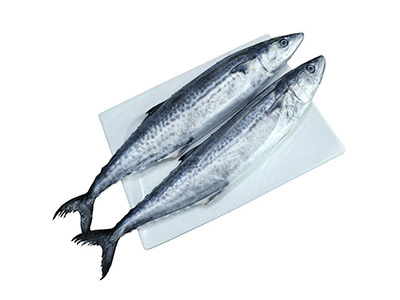
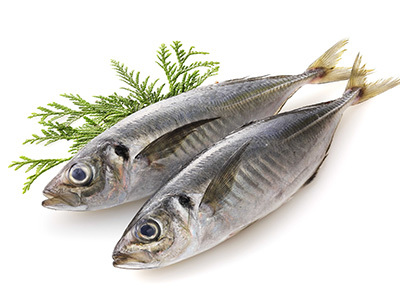
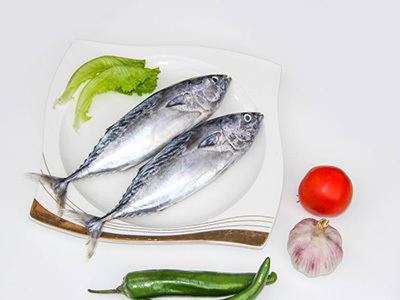
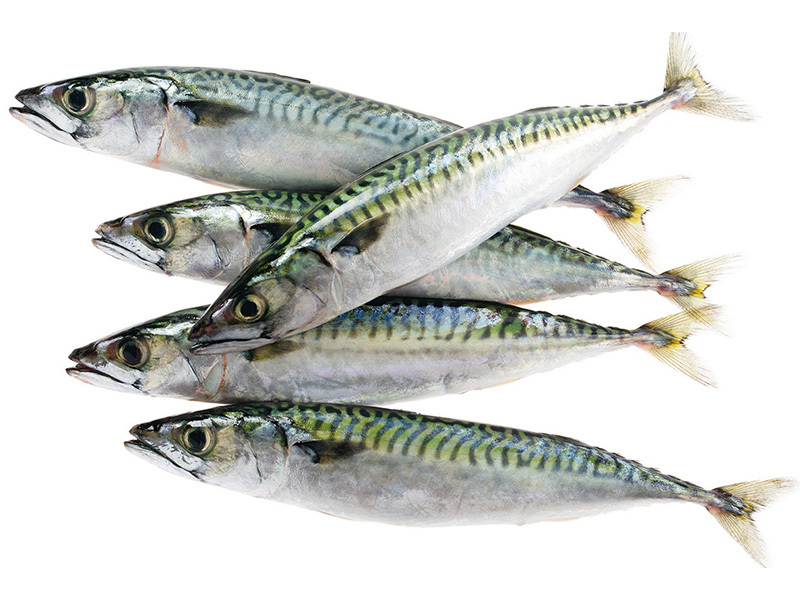
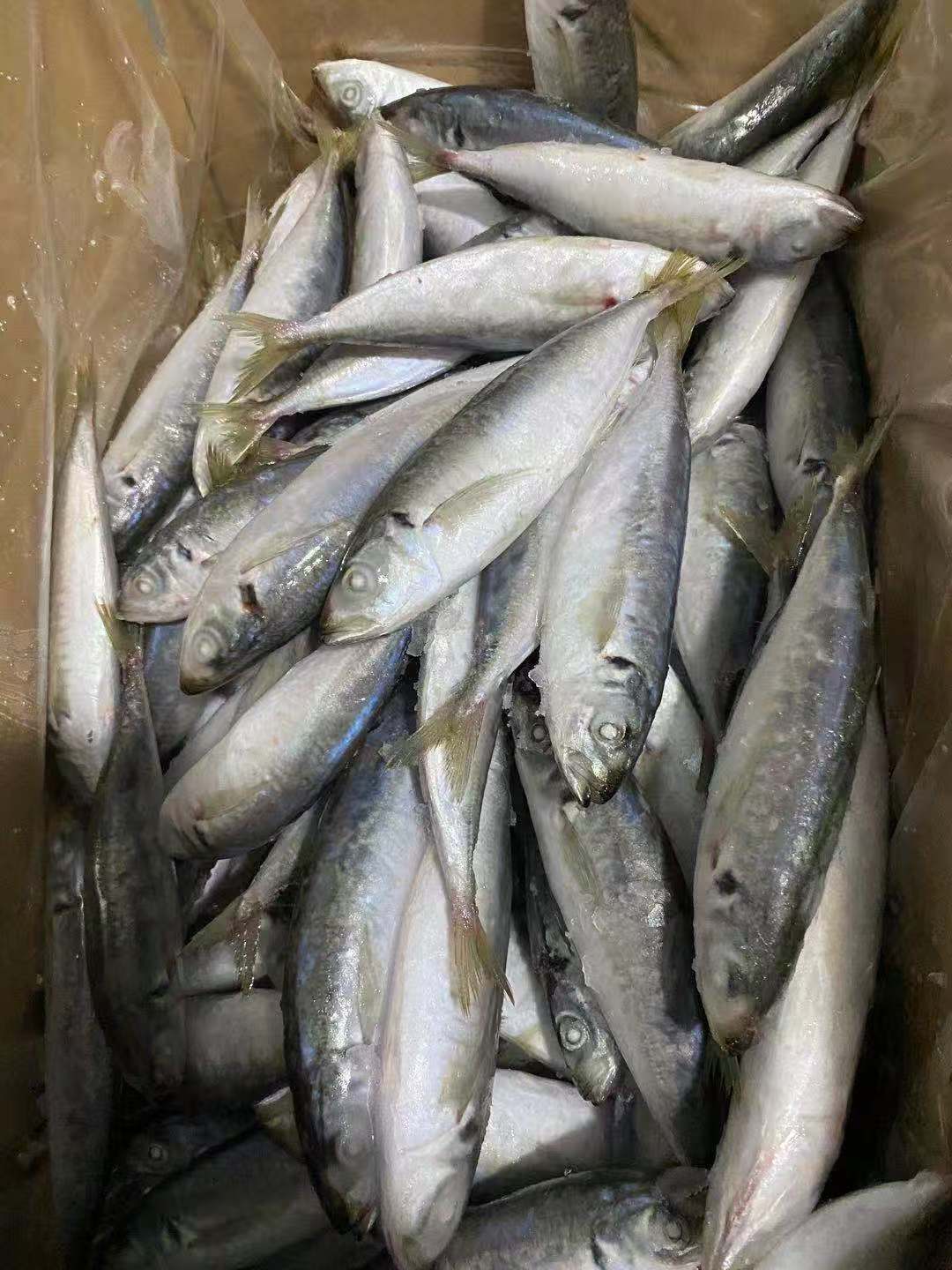
The Round Scad, scientifically known as Decapterus spp., is a small pelagic fish found in tropical and subtropical ocean waters. This species is often favored for its culinary versatility and nutritional benefits. Understanding its journey from the ocean to the plate provides insights into both marine ecosystems and seafood consumption patterns globally.
1. Understanding the Habitat of Round Scad
Round Scad predominantly inhabits the warm waters of the Atlantic and Pacific Oceans, thriving in both coastal zones and open seas. These fish are known for their migratory habits, often forming large schools near coral reefs, rocky outcrops, and floating debris. Their preference for shallow waters makes them accessible to fishers and a vital part of the marine food chain.
1.1 The Ecological Importance of Round Scad
As a forage fish, Round Scad plays a crucial role in the ocean's ecosystem. They are prey for larger predatory fish, seabirds, and marine mammals, contributing to the natural balance within marine food webs. Their abundance and distribution impact the breeding and feeding patterns of various aquatic species.
2. The Fishing Methods Employed for Round Scad
Fishing for Round Scad involves various techniques, including purse seining, gillnetting, and handlining. Each method has its own advantages and environmental considerations.
2.1 Purse Seining
Purse seining is one of the most common methods used to catch Round Scad. This involves encircling a school of fish with a large net and then drawing it closed at the bottom to trap the catch. This method is efficient for harvesting large quantities and is often used in commercial fisheries.
2.2 Sustainable Fishing Practices
With rising concerns about overfishing, sustainable practices have become essential. Many fisheries are now adopting methods that minimize bycatch and environmental impact, ensuring that Round Scad populations remain healthy and that marine ecosystems are preserved.
3. Processing Round Scad for Consumption
Once caught, Round Scad undergoes a series of processing steps to ensure quality and safety for consumers. From cleaning to packaging, each stage is vital for delivering a fresh product.
3.1 Cleaning and Filleting
The first step in processing Round Scad involves cleaning the fish to remove scales, entrails, and blood. Skilled workers fillet the fish, producing clean cuts that can be easily cooked or preserved.
3.2 Preservation Techniques
Preservation methods such as freezing, canning, and smoking are commonly used to extend the shelf life of Round Scad. These techniques not only enhance flavor but also make the fish available in various markets worldwide.
4. Culinary Uses of Round Scad
Round Scad is celebrated for its rich flavor and versatility in cooking. Chefs and home cooks alike appreciate its adaptability in various cuisines.
4.1 Popular Recipes Featuring Round Scad
Round Scad can be grilled, fried, baked, or used in stews. Traditional dishes from Southeast Asia often highlight this fish's unique taste, such as "Escudella," a hearty stew with vegetables and spices, or grilled with a tangy marinade.
4.2 Nutritional Benefits of Round Scad
Rich in omega-3 fatty acids, protein, and essential vitamins, Round Scad is not only delicious but also a healthy choice. Including this fish in your diet can contribute to heart health, brain function, and overall well-being.
5. The Economic Impact of Round Scad Fishing
The fishing industry surrounding Round Scad is significant, providing livelihoods for countless families and contributing to local economies. Understanding its economic footprint is essential for stakeholders in the seafood sector.
5.1 Market Demand for Round Scad
The demand for Round Scad has grown, particularly in Asian markets where it is a staple food. Export markets are expanding, providing opportunities for sustainable fishing practices to flourish while meeting consumer needs.
5.2 Challenges Faced by Fishermen
Fishermen face various challenges, including fluctuating market prices, environmental changes, and regulatory pressures. Addressing these issues is crucial for maintaining the viability of Round Scad fishing in the long term.
6. Sustainability and Future of Round Scad Fishing
Sustainability is at the forefront of discussions surrounding Round Scad fishing. Ensuring that fishing practices do not deplete stocks or harm marine ecosystems is essential for future generations.
6.1 Certifications and Regulations
Many fisheries are seeking sustainability certifications, such as those from the Marine Stewardship Council (MSC) or the Aquaculture Stewardship Council (ASC). These designations help consumers make informed choices about the seafood they purchase.
6.2 Innovations in Sustainable Fishing
Innovative technologies and practices, such as fish aggregating devices (FADs) and selective fishing gear, are being developed to enhance sustainability in Round Scad fisheries. These advancements aim to reduce bycatch and protect vulnerable marine species.
7. Frequently Asked Questions (FAQs)
7.1 What is Round Scad?
Round Scad is a small pelagic fish known for its flavorful meat and is commonly found in tropical oceans.
7.2 How is Round Scad caught?
Round Scad is typically caught using methods such as purse seining, gillnetting, and handlining.
7.3 What are the best cooking methods for Round Scad?
Round Scad is versatile and can be grilled, fried, baked, or used in soups and stews.
7.4 Is Round Scad healthy to eat?
Yes, Round Scad is rich in omega-3 fatty acids, protein, and essential vitamins, making it a healthy dietary choice.
7.5 What are the sustainability practices in Round Scad fishing?
Sustainable fishing practices include minimizing bycatch, using selective gear, and seeking certifications to promote responsible seafood consumption.
Conclusion
The journey of Round Scad from ocean to plate encapsulates a complex interplay of ecological, economic, and culinary factors. Understanding this process not only enhances our appreciation for seafood but also underscores the importance of sustainable practices in fishing. As consumers, we can support responsible fishing methods and enjoy the rich flavors that Round Scad brings to our tables. By advocating for sustainability and making informed choices, we contribute to the health of our oceans and the livelihoods of those who depend on them.
TAG:




Contact Information
Address: No. 1 Haitu Road, Xiangzhi Town, Shishi City, Fujian Province
QR Code

Enterprise official website