No. 1 Haitu Road, Xiangzhi Town, Shishi City, Fujian Province China

Unlocking the Secrets of Frozen Bonito Fish: A Comprehensive Guide
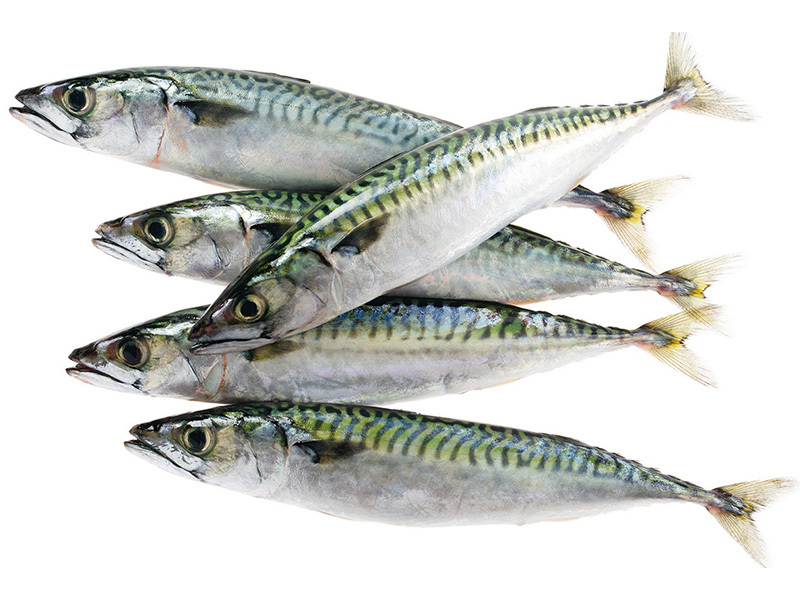
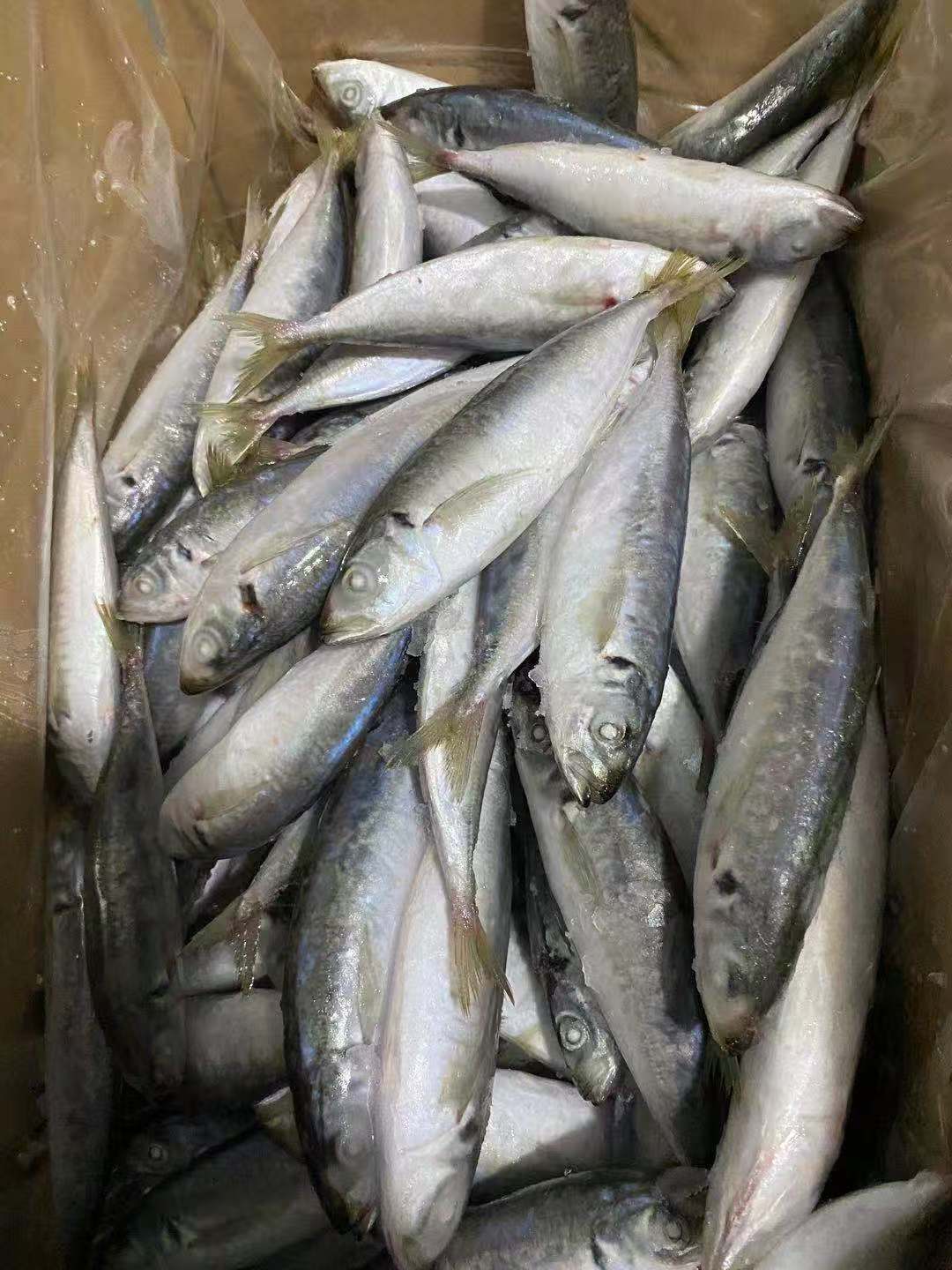
Frozen bonito fish, often recognized for its rich flavor and versatility, is a staple in many culinary traditions around the world. Belonging to the mackerel family, bonito is celebrated for its firm texture and high oil content, making it an excellent choice for various cooking methods, including grilling, searing, and poaching. This guide aims to shed light on the myriad benefits of frozen bonit
Feb 27,2026
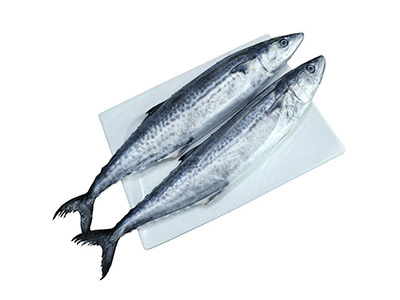
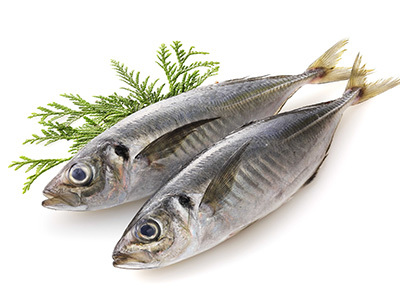
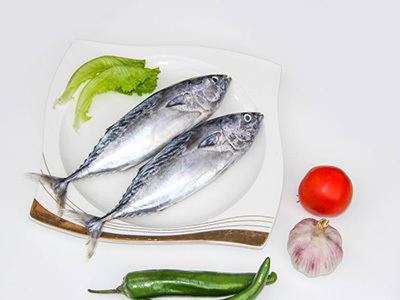
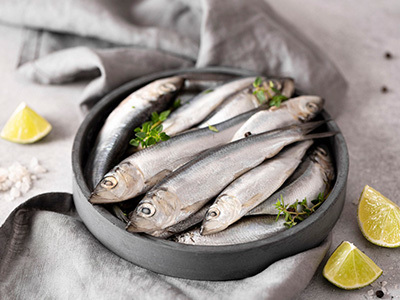
Frozen bonito fish, often recognized for its rich flavor and versatility, is a staple in many culinary traditions around the world. Belonging to the mackerel family, bonito is celebrated for its firm texture and high oil content, making it an excellent choice for various cooking methods, including grilling, searing, and poaching. This guide aims to shed light on the myriad benefits of frozen bonito fish, ensuring both consumers and culinary professionals can make informed choices when incorporating this delectable seafood into their diets.
One of the primary advantages of frozen bonito fish is its nutritional profile. Rich in omega-3 fatty acids, protein, and essential vitamins and minerals, it contributes to heart health, brain function, and overall well-being. Regular consumption can help reduce inflammation and improve cardiovascular health, making it an excellent addition to a balanced diet. Additionally, the freezing process preserves the nutritional integrity of the fish, allowing consumers to enjoy its health benefits year-round.
When it comes to storage, proper techniques are crucial to maintaining the quality of frozen bonito fish. It is recommended to keep the fish at a consistent temperature of 0°F (-18°C) or lower to prevent freezer burn and preserve its flavor. For optimal freshness, it is advisable to consume the fish within six months of freezing. Thawing should ideally be done in the refrigerator overnight, allowing for a gradual and safe defrost that preserves texture and flavor. Avoid refreezing thawed fish, as it can compromise quality.
Culinary applications for frozen bonito fish are virtually limitless. In Japanese cuisine, bonito is often used to make dashi, a fundamental broth that serves as a base for numerous dishes. The fish can also be enjoyed raw as sashimi or lightly seared for a more robust flavor. Additionally, it can be flaked and incorporated into salads, pasta, or rice dishes, providing a rich umami taste that enhances any meal.
Moreover, the sustainability of bonito fishing is a growing concern. It is essential for consumers to source fish from reputable suppliers who prioritize responsible fishing practices. By choosing sustainably sourced frozen bonito fish, consumers can enjoy their meals while supporting ocean health and ensuring that future generations have access to this delicious seafood.
In summary, frozen bonito fish is not only a flavorful and versatile ingredient but also a healthy choice packed with nutrients. By understanding proper storage methods and culinary applications, consumers can maximize their enjoyment and benefits from this exceptional seafood option.
One of the primary advantages of frozen bonito fish is its nutritional profile. Rich in omega-3 fatty acids, protein, and essential vitamins and minerals, it contributes to heart health, brain function, and overall well-being. Regular consumption can help reduce inflammation and improve cardiovascular health, making it an excellent addition to a balanced diet. Additionally, the freezing process preserves the nutritional integrity of the fish, allowing consumers to enjoy its health benefits year-round.
When it comes to storage, proper techniques are crucial to maintaining the quality of frozen bonito fish. It is recommended to keep the fish at a consistent temperature of 0°F (-18°C) or lower to prevent freezer burn and preserve its flavor. For optimal freshness, it is advisable to consume the fish within six months of freezing. Thawing should ideally be done in the refrigerator overnight, allowing for a gradual and safe defrost that preserves texture and flavor. Avoid refreezing thawed fish, as it can compromise quality.
Culinary applications for frozen bonito fish are virtually limitless. In Japanese cuisine, bonito is often used to make dashi, a fundamental broth that serves as a base for numerous dishes. The fish can also be enjoyed raw as sashimi or lightly seared for a more robust flavor. Additionally, it can be flaked and incorporated into salads, pasta, or rice dishes, providing a rich umami taste that enhances any meal.
Moreover, the sustainability of bonito fishing is a growing concern. It is essential for consumers to source fish from reputable suppliers who prioritize responsible fishing practices. By choosing sustainably sourced frozen bonito fish, consumers can enjoy their meals while supporting ocean health and ensuring that future generations have access to this delicious seafood.
In summary, frozen bonito fish is not only a flavorful and versatile ingredient but also a healthy choice packed with nutrients. By understanding proper storage methods and culinary applications, consumers can maximize their enjoyment and benefits from this exceptional seafood option.
TAG:




Contact Information
Address: No. 1 Haitu Road, Xiangzhi Town, Shishi City, Fujian Province
QR Code

Enterprise official website