No. 1 Haitu Road, Xiangzhi Town, Shishi City, Fujian Province China


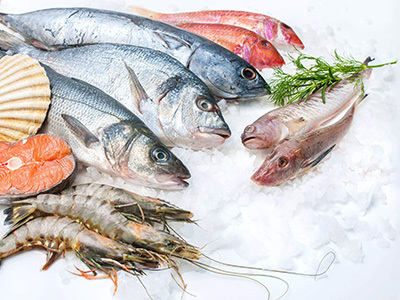
Understanding Round Scad: A Deep Dive into Its Role in the Fishing Industry
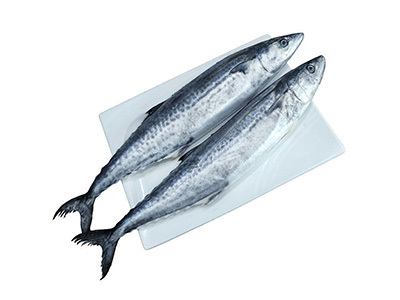
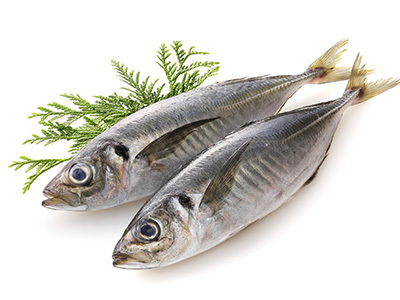
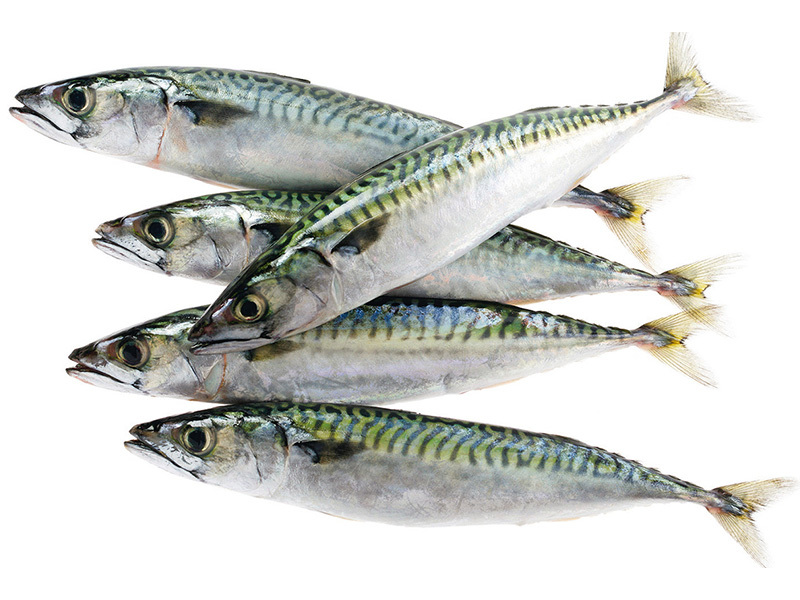
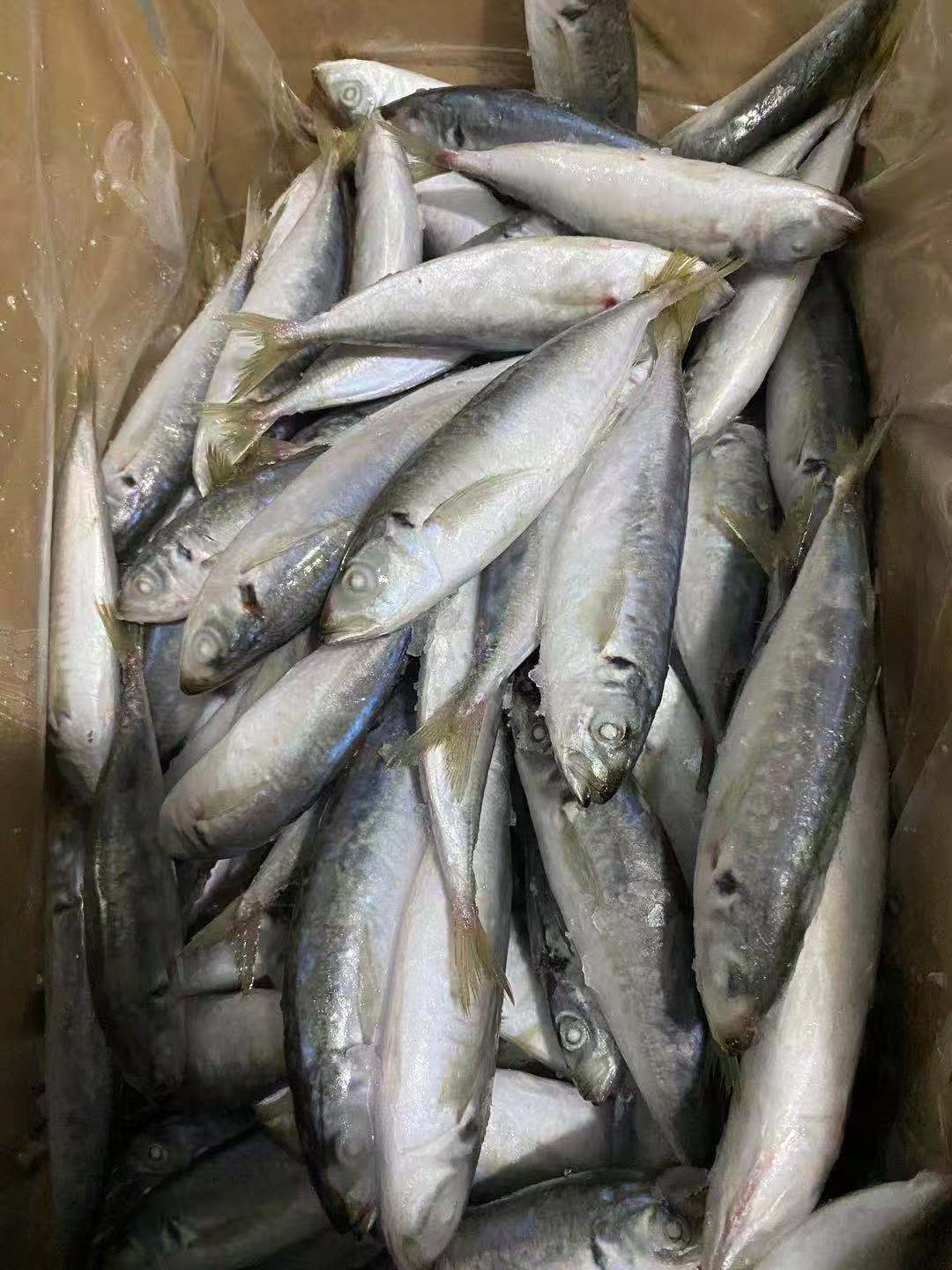
Round Scad, scientifically known as Decapterus spp., represents a group of fish that plays a vital role in the global fishing industry, particularly in the realm of seafood. This species is commonly found in tropical and subtropical waters, often forming large schools which makes them a popular target for commercial fishing. Understanding Round Scad's ecological and economic significance is essent
Oct 10,2025
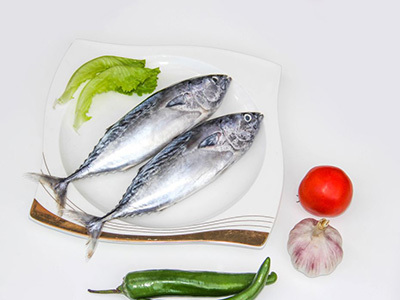
Round Scad, scientifically known as Decapterus spp., represents a group of fish that plays a vital role in the global fishing industry, particularly in the realm of seafood. This species is commonly found in tropical and subtropical waters, often forming large schools which makes them a popular target for commercial fishing. Understanding Round Scad's ecological and economic significance is essential for both consumers and industry professionals in the agriculture and food sector.
One of the key characteristics of Round Scad is its high nutritional value. These fish are rich in protein, omega-3 fatty acids, and essential vitamins, making them a healthy choice for consumers. Incorporating Round Scad into a balanced diet can lead to various health benefits, including improved cardiovascular health and better cognitive function. Additionally, being a source of lean protein, Round Scad serves as an excellent alternative to red meat, appealing to health-conscious individuals and those seeking sustainable food sources.
From an ecological perspective, Round Scad contributes significantly to marine ecosystems. As a forage fish, they serve as a primary food source for larger predatory fish, birds, and marine mammals. This ecological role underscores the importance of sustainable fishing practices to ensure that Round Scad populations remain healthy and that marine biodiversity is preserved. Overfishing and habitat degradation pose threats to this species, which is why responsible fishing methods and regulations are critical in maintaining their populations and the overall health of ocean ecosystems.
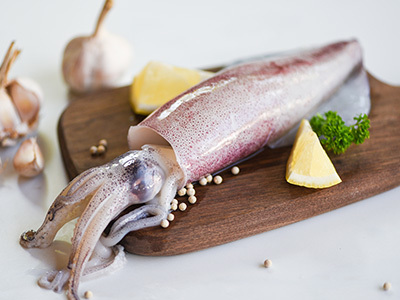
In the fishing industry, Round Scad is often processed into various products, including canned fish, fish meal, and fish sauce. These products are widely used in culinary applications, particularly in Asian cuisines, where they are valued for their flavor and versatility. Understanding the processing methods and the supply chain involved in bringing Round Scad products to market can provide insights into the complexities of the food industry and the importance of quality control to ensure consumer safety.
Furthermore, the demand for Round Scad continues to grow, driven by increasing global populations and changing dietary preferences. This trend presents both challenges and opportunities for the fishing industry. Emphasizing sustainable fishing practices, aquaculture options, and responsible sourcing will be crucial in meeting this demand while preserving the marine environment.
In conclusion, Round Scad is more than just a fish; it embodies the intersection of nutrition, ecology, and economic viability in the seafood industry. As consumers become increasingly aware of the origins of their food and its environmental impact, understanding the role of Round Scad can lead to more informed choices and a greater appreciation for this essential species within the agricultural and food sectors.
TAG:




Contact Information
Address: No. 1 Haitu Road, Xiangzhi Town, Shishi City, Fujian Province
QR Code

Enterprise official website