No. 1 Haitu Road, Xiangzhi Town, Shishi City, Fujian Province China

Harnessing the Unique Texture of Squid Flower in Dishes
Harnessing the Unique Texture of Squid Flower in Dishes Introduction to Squid Flower Squid flower, also known as the tentacles or appendages of squid, is a remarkable ingredient that often goes unnoticed in the culinary world. Its unique texture and flavor profile can add an exciting twist to a variety of dishes. This article delves into the characteristics of squid flower, its culinary applicatio
Oct 09,2025
Harnessing the Unique Texture of Squid Flower in Dishes
Introduction to Squid Flower
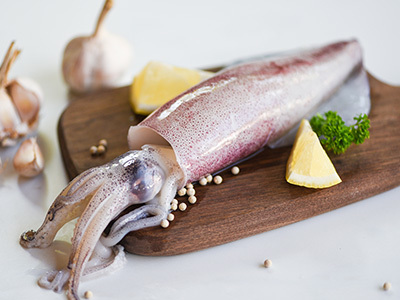
Squid flower, also known as the tentacles or appendages of squid, is a remarkable ingredient that often goes unnoticed in the culinary world. Its unique texture and flavor profile can add an exciting twist to a variety of dishes. This article delves into the characteristics of squid flower, its culinary applications, and tips on how to best incorporate it into your meals.
What is Squid Flower?
Squid flower refers specifically to the soft, delicate, and often slightly chewy parts of the squid that are akin to flowers in texture. Unlike traditional squid body parts, which can be tough if not prepared correctly, squid flower offers a lighter, more tender alternative. This makes it an appealing choice for chefs and home cooks alike.
The Nutritional Benefits of Squid Flower
Not only is squid flower delectable, but it also boasts impressive nutritional value. It is low in calories and high in protein, making it an excellent choice for health-conscious individuals. Furthermore, squid flower is rich in essential vitamins and minerals such as vitamin B12, omega-3 fatty acids, and selenium. These nutrients contribute to heart health and cognitive function, enhancing the dish's overall appeal.
The Flavor Profile of Squid Flower
The flavor of squid flower is subtle and slightly sweet, with a briny essence that lends itself nicely to various seasonings and cooking methods. When cooked properly, the flower retains a tender bite that contrasts beautifully with crunchier ingredients. Its unique taste enhances the overall complexity of dishes, making it a versatile addition to both traditional and modern cuisine.
Culinary Uses of Squid Flower
Squid flower can be utilized in numerous ways across different cuisines. Here are some of the most popular applications:
1. Stir-Fried Dishes
One of the simplest and most effective ways to prepare squid flower is through stir-frying. Sautéing it quickly over high heat with fresh vegetables, garlic, and soy sauce allows the natural flavors to shine. Add a splash of sesame oil for extra richness. This method not only retains the squid flower's freshness but also creates a visually appealing dish.
2. Soups and Broths
Squid flower can elevate soups and broths, adding depth and texture. When added to a seafood chowder or a spicy tom yum soup, the squid flower absorbs the rich flavors of the broth while contributing its unique texture. Slow-cooking ensures that the squid flower remains tender, enhancing the overall experience.
3. Grilled and Barbecued Delights
Grilling squid flower can bring out its smoky, charred flavors. Marinate the squid flower in a mixture of olive oil, lemon juice, and spices before threading it onto skewers for grilling. This method creates a delightful contrast between the crispy exterior and the tender interior, making it an excellent appetizer or main course.
4. Salads and Cold Dishes
For a refreshing take, squid flower can be incorporated into salads. Its unique texture pairs well with crisp greens, citrus fruits, and light vinaigrettes. Tossing it in a sesame dressing with crunchy vegetables creates a balanced dish that is both healthy and satisfying.
5. Sushi and Sashimi
In Japanese cuisine, squid flower can be used in sushi and sashimi preparations. Its delicate texture makes it ideal for these applications, allowing it to absorb the flavors of accompanying ingredients like rice and soy sauce while providing a tender bite.
Cooking Techniques for Perfectly Tender Squid Flower
To fully appreciate the squid flower's unique texture, it is essential to master the cooking techniques that preserve its tenderness.
1. Quick Cooking Methods
Squid flower benefits from quick cooking methods such as stir-frying, grilling, or sautéing. Overcooking can lead to a rubbery texture, so it's crucial to keep cooking times short (usually just a few minutes).
2. Using Marinades
Marinating squid flower before cooking can enhance its flavor and tenderness. A simple marinade of soy sauce, ginger, and garlic can infuse the squid flower with savory notes, making it more palatable while also helping to keep it juicy.
3. The Importance of Temperature
Cooking squid flower at the right temperature is vital to achieving the perfect texture. High heat allows for a quick sear, locking in moisture without toughening the meat. Conversely, low and slow cooking methods can lead to a softer texture, ideal for soups and stews.
Pairing Ingredients with Squid Flower
Knowing what flavors complement squid flower can enhance your dishes significantly. Here are some top pairing suggestions:
1. Fresh Herbs and Aromatics
Ingredients like cilantro, basil, and chives can brighten the flavor of squid flower. Fresh herbs add a layer of complexity, while aromatics like garlic and ginger can provide depth.
2. Acidity and Citrus
Citrus fruits such as lemon and lime can cut through the richness of squid flower, balancing flavors beautifully. Acidic elements found in vinegars and pickles can also elevate your dish, providing a delightful contrast.
3. Spicy Elements
For those who enjoy heat, adding chili peppers or spicy sauces can enhance the dish. The heat works harmoniously with the squid flower's natural sweetness, creating a well-rounded flavor profile.
FAQs About Squid Flower
1. Can squid flower be eaten raw?
Yes, squid flower can be eaten raw, especially in sushi or sashimi preparations. Ensure you use fresh, high-quality squid for safe consumption.
2. How do I choose fresh squid flower?
Look for squid flower that is firm to the touch and has a bright color. Avoid any that appears slimy or has a strong fishy odor.
3. How long can I store squid flower in the refrigerator?
Fresh squid flower can be stored in the refrigerator for up to two days. For longer storage, consider freezing it.
4. What dishes can I make with squid flower?
You can make a variety of dishes, including stir-fries, soups, salads, and sushi. Its versatility allows for creativity in the kitchen.
5. Is squid flower healthy?
Yes, squid flower is a nutritious ingredient that is low in calories and high in protein. It also contains essential nutrients beneficial for health.
Conclusion
Squid flower is an underappreciated gem in the culinary world, offering a unique texture and flavor that can elevate a wide range of dishes. By exploring its various applications—from stir-fries to sushi—chefs and home cooks alike can harness its potential and create memorable meals. With the right cooking techniques and ingredient pairings, squid flower can become a star ingredient in your kitchen repertoire. Embrace the versatility of this remarkable ingredient and let your culinary creativity flow.
TAG:




Contact Information
Address: No. 1 Haitu Road, Xiangzhi Town, Shishi City, Fujian Province
QR Code

Enterprise official website