No. 1 Haitu Road, Xiangzhi Town, Shishi City, Fujian Province China



Understanding Todarodes Sagittatus: A Valuable Resource in Seafood Industry
Todarodes Sagittatus, commonly known as the European flying squid, is a fascinating cephalopod that holds substantial importance in both ecological and economic contexts. This species is predominantly found in the Atlantic Ocean and is recognized for its unique biological characteristics, making it a valuable resource in the seafood industry. The European flying squid typically reaches a maximum s
Oct 08,2025
Todarodes Sagittatus, commonly known as the European flying squid, is a fascinating cephalopod that holds substantial importance in both ecological and economic contexts. This species is predominantly found in the Atlantic Ocean and is recognized for its unique biological characteristics, making it a valuable resource in the seafood industry.
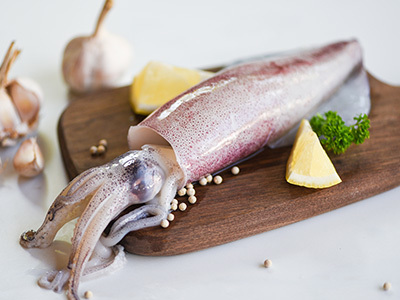
The European flying squid typically reaches a maximum size of about 50 centimeters and is characterized by its elongated body, large eyes, and distinctive coloration that can range from brown to reddish hues. One of the most interesting features of Todarodes Sagittatus is its ability to change color and even texture, a capability that aids in communication and camouflage from predators. This adaptability not only highlights its evolutionary advantages but also underscores its role within marine ecosystems.
In terms of ecological importance, Todarodes Sagittatus serves as a key prey species for various marine animals, including larger fish, seals, and seabirds. Its presence in the food web is crucial for maintaining the balance within marine habitats. Moreover, as a fast-growing species, it plays a significant role in the dynamics of marine environments, influencing both prey-predator relationships and nutrient cycling.
From a culinary perspective, Todarodes Sagittatus is highly valued in many cuisines around the world. Its tender flesh and mild flavor make it a popular choice for various dishes, including sushi, grilled preparations, and seafood stews. The squid can be prepared in numerous ways, allowing chefs to experiment with different cooking techniques that enhance its natural taste and texture.
Furthermore, the sustainability of harvesting Todarodes Sagittatus must be considered, as overfishing poses risks to its populations. Sustainable fishing practices are essential to ensure that this resource remains available for future generations while supporting the livelihoods of those involved in the seafood industry. Implementing effective management strategies and adhering to regulations can help maintain healthy stocks of this species.
In summary, Todarodes Sagittatus is more than just a seafood item; it is a significant organism that contributes to marine biodiversity and culinary traditions. By understanding the biological traits, ecological roles, and culinary applications of this squid species, professionals in the agricultural and seafood industries can make informed decisions that promote sustainability and foster appreciation for this remarkable cephalopod. Engaging with best practices in harvesting and preparation can lead to a more responsible approach to seafood consumption and trade.
TAG:




Contact Information
Address: No. 1 Haitu Road, Xiangzhi Town, Shishi City, Fujian Province
QR Code

Enterprise official website