No. 1 Haitu Road, Xiangzhi Town, Shishi City, Fujian Province China

The Benefits of Choosing Frozen Over Fresh Bonito Fish: A Comprehensive Guide
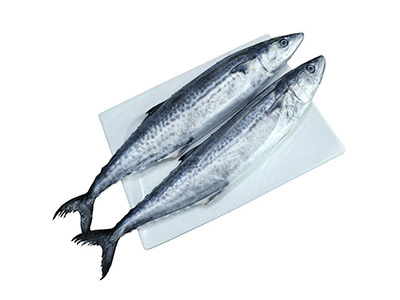
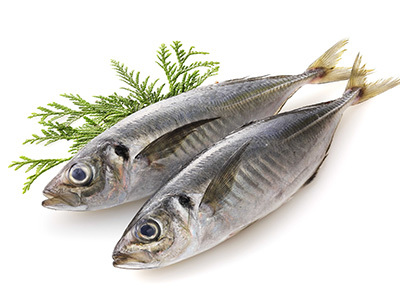
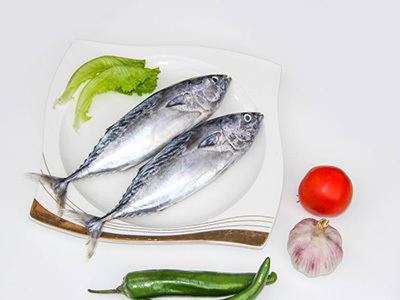
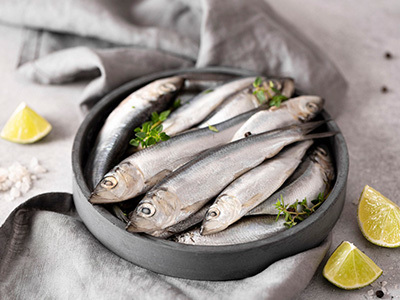
The Benefits of Choosing Frozen Over Fresh Bonito Fish Bonito fish, a member of the mackerel family, is celebrated for its rich flavor and nutritional benefits. However, a frequent debate among seafood enthusiasts revolves around the choice between frozen and fresh bonito. While fresh fish is often lauded for its superior taste, we aim to highlight the compelling advantages of choosing frozen boni
Oct 11,2025
The Benefits of Choosing Frozen Over Fresh Bonito Fish
Bonito fish, a member of the mackerel family, is celebrated for its rich flavor and nutritional benefits. However, a frequent debate among seafood enthusiasts revolves around the choice between frozen and fresh bonito. While fresh fish is often lauded for its superior taste, we aim to highlight the compelling advantages of choosing frozen bonito fish. In this article, we will explore nutritional, economic, and environmental aspects, presenting a comprehensive view that underscores why frozen bonito can be a superior choice.
Table of Contents
- Nutritional Benefits of Frozen Bonito Fish
- How Freezing Preserves Quality
- Economic Advantages of Frozen Bonito
- Environmental Impact of Choosing Frozen
- Culinary Uses of Frozen Bonito Fish
- How to Choose Quality Frozen Bonito
- Storage Tips for Frozen Bonito
- Frequently Asked Questions
Nutritional Benefits of Frozen Bonito Fish
One of the primary considerations when choosing between frozen and fresh fish is the nutritional content. Frozen bonito fish retains its nutritional value through modern freezing techniques, which can actually preserve more nutrients than fresh fish stored for extended periods.
Rich in Omega-3 Fatty Acids
Frozen bonito fish is an excellent source of omega-3 fatty acids, which are essential for heart health. These fats support brain function and can reduce inflammation in the body. Studies have shown that the freezing process does not significantly diminish these beneficial fats, making frozen bonito a great addition to any diet.
High-Quality Protein Source
Bonito is packed with high-quality protein that is crucial for muscle repair and overall bodily functions. Whether you opt for fresh or frozen, the protein content remains relatively stable; however, frozen fish may actually have a nutritional edge due to the careful handling and rapid freezing that preserves amino acids effectively.
Vitamins and Minerals
Frozen bonito fish is rich in essential vitamins such as B12, which is vital for nerve function and the production of DNA and red blood cells. Freezing helps retain these vitamins, ensuring that you benefit from the full nutritional profile of the fish. Additionally, frozen bonito contains important minerals like selenium and phosphorus, further enhancing its health benefits.
How Freezing Preserves Quality
The technology behind freezing seafood has advanced significantly over the years, ensuring that the quality of frozen bonito fish is often on par with—or even superior to—fresh fish.
Flash Freezing Techniques
Most commercially available frozen bonito fish is flash-frozen shortly after being caught. This involves rapidly lowering the temperature to -40°F (-40°C) or below, which locks in freshness and flavor. This process helps prevent the formation of large ice crystals that can damage the fish’s cellular structure, ultimately preserving its texture and taste.
Reduced Bacterial Growth
Freezing not only preserves quality but also inhibits the growth of bacteria. Fresh fish can start to spoil within hours of being caught, leading to potential health risks. In contrast, frozen bonito can be stored for months without compromising safety or quality, making it a more reliable option for consumers.
Economic Advantages of Frozen Bonito
Choosing frozen bonito fish can be more economical than purchasing fresh fish, offering several financial benefits.
Longer Shelf Life
Frozen bonito has a significantly longer shelf life compared to fresh fish. While fresh bonito must be consumed within a few days of purchase, frozen varieties can last for several months, allowing consumers to buy in bulk and reduce food waste. This is particularly beneficial for families or individuals who may not consume fish regularly.
Cost-Effectiveness
Often, frozen bonito fish is less expensive than its fresh counterpart, especially in regions where fresh fish is not readily available. Purchasing frozen fish allows consumers to enjoy high-quality seafood at a lower price point, making it a more accessible option for many households.
Seasonal Availability
Fresh bonito fish can have limited availability based on seasonal fishing practices. In contrast, frozen bonito can be sourced year-round, allowing consumers to enjoy this delicious fish regardless of the season. This consistent availability means that you can incorporate bonito into your meals whenever the craving strikes.
Environmental Impact of Choosing Frozen
The environmental implications of seafood consumption are becoming increasingly important to consumers. Choosing frozen bonito can be a more sustainable option in several ways.
Reduced Carbon Footprint
Frozen fish often travels shorter distances as it is frequently processed and frozen closer to the point of catch. This reduces the carbon emissions associated with long-distance transportation. Furthermore, freezing allows for better inventory management, which means less spoilage and waste.
Sustainable Fishing Practices
Many brands specializing in frozen fish have adopted sustainable fishing practices, actively working to ensure that bonito populations remain healthy and that ecosystems are preserved. Consumers can often research the sourcing practices of various brands, making informed choices that support eco-friendly fisheries.
Culinary Uses of Frozen Bonito Fish
Frozen bonito fish is incredibly versatile in the kitchen, allowing for a variety of culinary applications.
Grilling and Barbecuing
Frozen bonito is perfect for grilling. Simply thaw and marinate to infuse flavor before placing it on the grill. Its rich, firm texture holds up beautifully under high heat, making it a favorite for outdoor cooking.
Sushi and Sashimi
For sushi enthusiasts, frozen bonito can be sliced thinly for sashimi. The flash-freezing process kills parasites, making it safe to consume raw. This ensures that you can enjoy the delicious taste of bonito while also reducing health risks.
Soups and Stocks
Frozen bonito can be an excellent addition to soups and stocks. Simply add it to your broth for a rich, savory flavor. This versatility makes it a staple ingredient in many kitchens.
How to Choose Quality Frozen Bonito
Selecting the best frozen bonito is crucial for ensuring both quality and safety. Here are some tips to help you make the right choice.
Check for Packaging Integrity
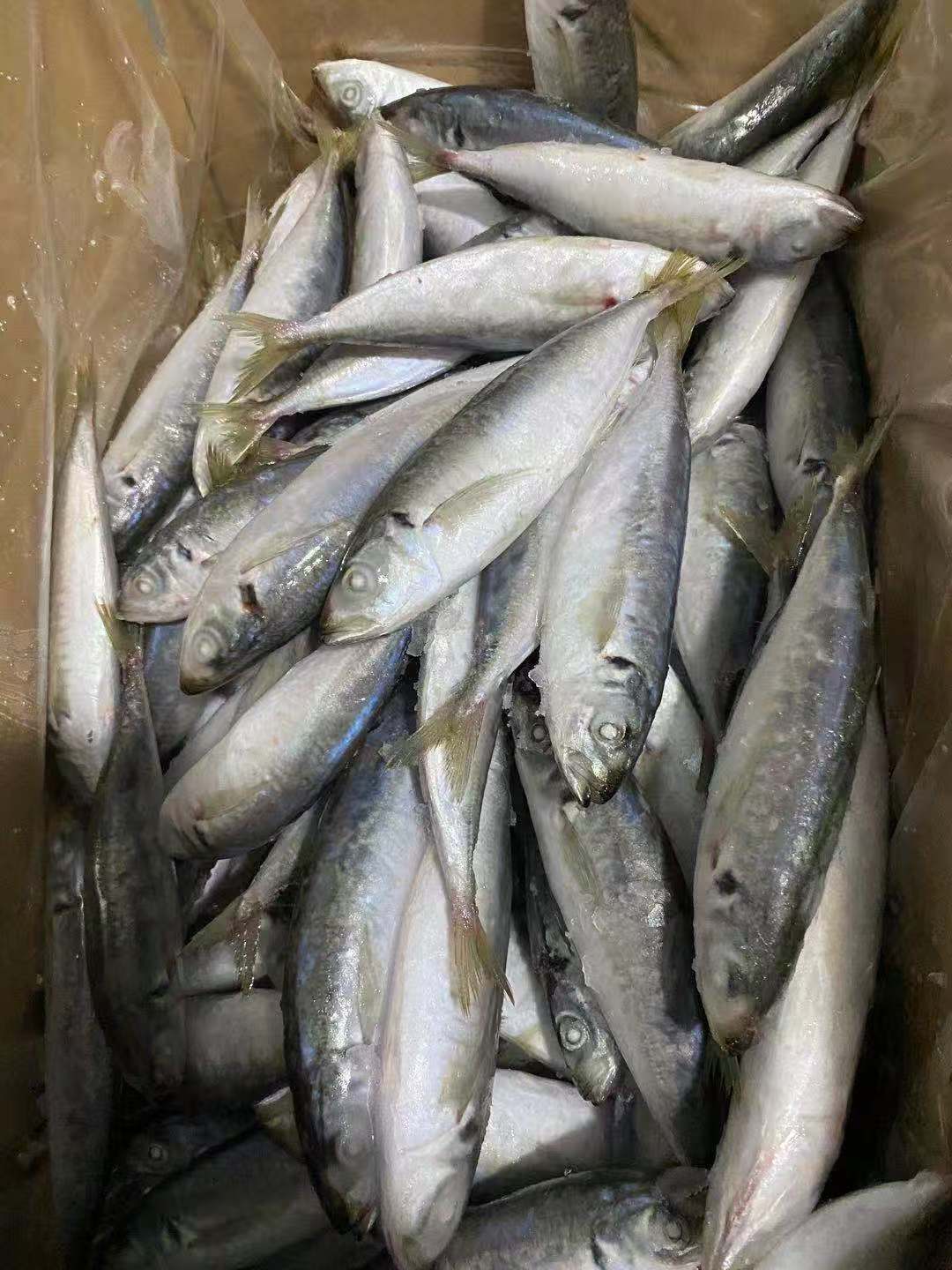
Always inspect the packaging for any signs of damage or excessive ice crystals, which can indicate freezer burn. Quality frozen bonito should be well-packaged and free from any leaks or tears.
Look for Sustainability Certifications
Choose brands that display sustainability certifications. This information can typically be found on the packaging and can guide you toward more responsible choices.
Read Reviews and Research Brands
Before purchasing frozen bonito, read reviews and conduct research on the brand's sourcing and processing methods. Trusted brands often have a history of quality and sustainability, ensuring you are making a safe and responsible choice.
Storage Tips for Frozen Bonito
To maintain the quality of your frozen bonito fish, follow these storage tips:
Thawing Properly
Always thaw frozen bonito in the refrigerator or under cold running water, not at room temperature. This helps prevent bacterial growth and maintains the quality of the fish.
Repackaging for Longer Storage
If you purchase a larger quantity of frozen bonito, consider repackaging it into smaller portions before freezing. This allows for easier thawing and helps maintain freshness.
Use Within Recommended Timeframes
While frozen bonito can last for months, it is best to consume it within six months for optimal flavor and texture. Always label your packages with dates to keep track of freshness.
Frequently Asked Questions
1. Is frozen bonito fish safe to eat raw?
Yes, frozen bonito is safe to eat raw, as the freezing process kills parasites. Ensure you purchase sushi-grade frozen bonito for the best quality.
2. How do I know if frozen bonito is of good quality?
Look for intact packaging without excessive ice crystals. Research brands for sustainability certifications and read consumer reviews.
3. Can I refreeze thawed bonito fish?
Refreezing thawed bonito is not recommended unless it has been thawed in the refrigerator. If it has been left out, discard any leftover thawed fish to avoid food safety risks.
4. What is the best cooking method for frozen bonito?
Grilling, baking, and poaching are all excellent cooking methods for frozen bonito. Each method enhances the flavor while maintaining texture.
5. How can I incorporate frozen bonito into my diet?
Frozen bonito can be used in a variety of dishes, including sushi, soups, salads, and grilled preparations. Its versatility makes it easy to include in your meals.
Conclusion
In summary, the choice between frozen and fresh bonito fish involves several critical factors, from nutrition and cost to environmental impact and culinary versatility. Frozen bonito fish not only retains its nutritional value through advanced freezing techniques but also offers significant savings and sustainability benefits. Whether you are preparing a gourmet meal or a simple weeknight dinner, incorporating frozen bonito into your diet can provide both enjoyment and health benefits. By choosing frozen, you make a choice that supports your health, your wallet, and the environment.




Contact Information
Address: No. 1 Haitu Road, Xiangzhi Town, Shishi City, Fujian Province
QR Code

Enterprise official website