No. 1 Haitu Road, Xiangzhi Town, Shishi City, Fujian Province China

Understanding Todarodes Sagittatus: The Culinary Gem of the Sea
Todarodes sagittatus, or the European flying squid, is a fascinating marine species that plays a significant role in both marine ecosystems and culinary practices. This species is typically found in the North Atlantic Ocean, particularly in areas with rich nutrient waters, where it thrives in a diverse range of environments. Characterized by its streamlined body and distinctive fins, the European
Apr 26,2026
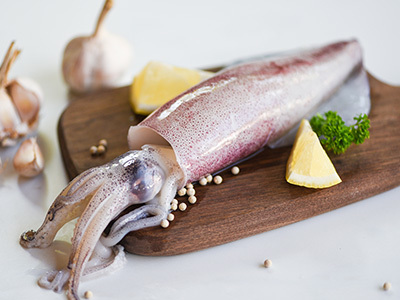
Todarodes sagittatus, or the European flying squid, is a fascinating marine species that plays a significant role in both marine ecosystems and culinary practices. This species is typically found in the North Atlantic Ocean, particularly in areas with rich nutrient waters, where it thrives in a diverse range of environments. Characterized by its streamlined body and distinctive fins, the European flying squid can reach impressive lengths, making it a prominent predator in its habitat.
One of the most intriguing aspects of Todarodes sagittatus is its remarkable ability to propel itself through water. By expelling water from its body, it can achieve bursts of speed, evading predators and catching prey with agility. This unique locomotion not only aids in survival but also makes it a thrilling subject for marine enthusiasts and researchers studying cephalopod behavior.
From an ecological perspective, Todarodes sagittatus is crucial for maintaining the balance of marine food webs. As both a predator and prey, it plays an essential role in transferring energy through the ecosystem. These squids primarily feed on small fish and crustaceans, while also serving as a vital food source for larger marine animals, including seabirds, fish, and marine mammals. The presence of this species in marine environments indicates a healthy and balanced ecosystem, highlighting its importance beyond culinary applications.
In culinary contexts, Todarodes sagittatus is celebrated for its tender texture and mild flavor, making it a popular choice in various dishes. It can be prepared in numerous ways, including grilling, frying, or steaming, often accompanied by fresh herbs and spices that enhance its natural taste. Its versatility in the kitchen allows chefs to experiment with various cuisines, from Mediterranean to Asian, elevating the dining experience with its unique flavor profile.
Moreover, the sustainability of harvesting Todarodes sagittatus is an important consideration in today’s seafood industry. Responsible fishing practices ensure that this species is harvested without depleting its populations, allowing future generations to enjoy its culinary benefits. As consumers become more aware of sustainable seafood choices, the demand for responsibly sourced Todarodes sagittatus is expected to rise.
In conclusion, Todarodes sagittatus is more than just a seafood delicacy; it is a vital component of marine ecosystems and an exciting ingredient in culinary exploration. Understanding the ecological significance and culinary potential of this squid species not only enhances our appreciation for it but also encourages sustainable practices that protect marine life for years to come.
One of the most intriguing aspects of Todarodes sagittatus is its remarkable ability to propel itself through water. By expelling water from its body, it can achieve bursts of speed, evading predators and catching prey with agility. This unique locomotion not only aids in survival but also makes it a thrilling subject for marine enthusiasts and researchers studying cephalopod behavior.
From an ecological perspective, Todarodes sagittatus is crucial for maintaining the balance of marine food webs. As both a predator and prey, it plays an essential role in transferring energy through the ecosystem. These squids primarily feed on small fish and crustaceans, while also serving as a vital food source for larger marine animals, including seabirds, fish, and marine mammals. The presence of this species in marine environments indicates a healthy and balanced ecosystem, highlighting its importance beyond culinary applications.
In culinary contexts, Todarodes sagittatus is celebrated for its tender texture and mild flavor, making it a popular choice in various dishes. It can be prepared in numerous ways, including grilling, frying, or steaming, often accompanied by fresh herbs and spices that enhance its natural taste. Its versatility in the kitchen allows chefs to experiment with various cuisines, from Mediterranean to Asian, elevating the dining experience with its unique flavor profile.
Moreover, the sustainability of harvesting Todarodes sagittatus is an important consideration in today’s seafood industry. Responsible fishing practices ensure that this species is harvested without depleting its populations, allowing future generations to enjoy its culinary benefits. As consumers become more aware of sustainable seafood choices, the demand for responsibly sourced Todarodes sagittatus is expected to rise.
In conclusion, Todarodes sagittatus is more than just a seafood delicacy; it is a vital component of marine ecosystems and an exciting ingredient in culinary exploration. Understanding the ecological significance and culinary potential of this squid species not only enhances our appreciation for it but also encourages sustainable practices that protect marine life for years to come.
TAG:




Contact Information
Address: No. 1 Haitu Road, Xiangzhi Town, Shishi City, Fujian Province
QR Code

Enterprise official website