No. 1 Haitu Road, Xiangzhi Town, Shishi City, Fujian Province China

The Health Benefits of Eating Frozen Pacific Mackerel Regularly
The Health Benefits of Eating Frozen Pacific Mackerel Regularly In recent years, the popularity of frozen Pacific mackerel has surged, thanks to its remarkable nutritional profile and convenience. This **nutrient-dense fish** not only delights the palate but also offers various health benefits. In this article, we will explore the **multiple advantages of consuming frozen Pacific mackerel**, inclu
Apr 23,2026
The Health Benefits of Eating Frozen Pacific Mackerel Regularly
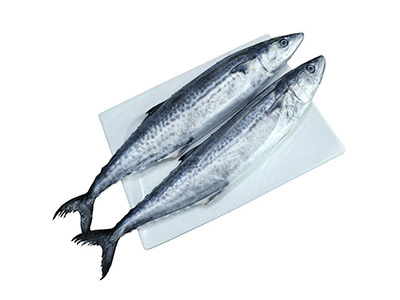
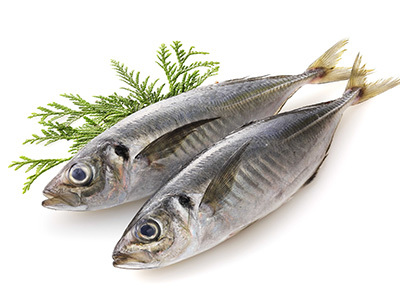
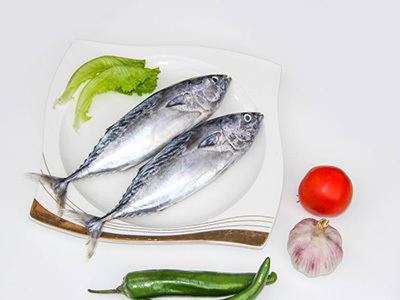
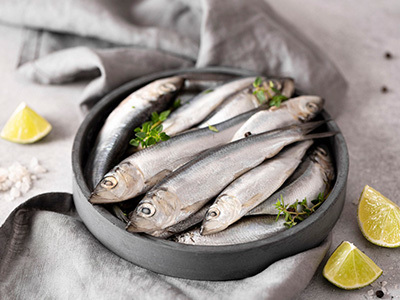
In recent years, the popularity of frozen Pacific mackerel has surged, thanks to its remarkable nutritional profile and convenience. This **nutrient-dense fish** not only delights the palate but also offers various health benefits. In this article, we will explore the **multiple advantages of consuming frozen Pacific mackerel**, including its nutritional content, health benefits, preparation methods, and tasty recipes that will help you incorporate this superfood into your diet. Let’s dive in!
Table of Contents
- 1. Nutritional Profile of Pacific Mackerel
- 2. Health Benefits of Eating Pacific Mackerel
- 3. Omega-3 Fatty Acids and Heart Health
- 4. Protein Content and Muscle Building
- 5. Essential Vitamins and Minerals
- 6. Sustainability and Environmental Impact
- 7. Preparation Tips for Frozen Pacific Mackerel
- 8. Delicious Recipes Featuring Pacific Mackerel
- 9. Frequently Asked Questions
- 10. Conclusion
1. Nutritional Profile of Pacific Mackerel
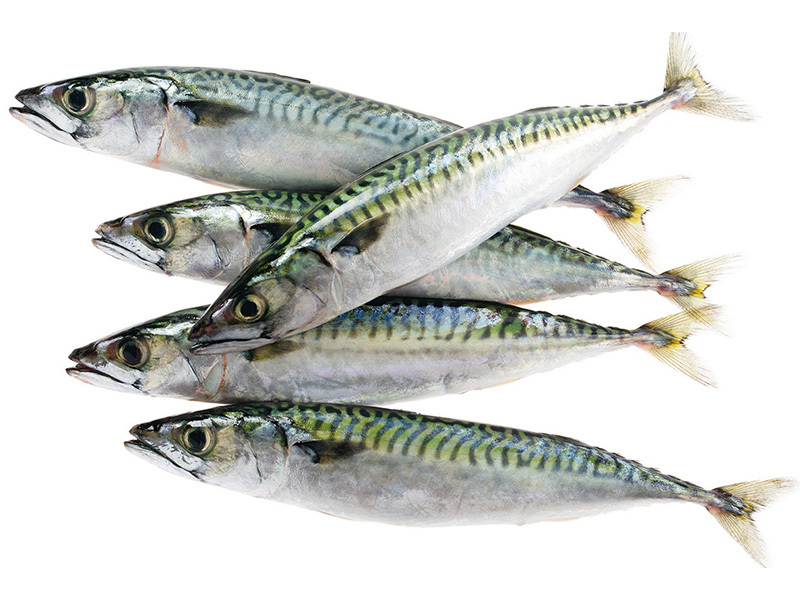
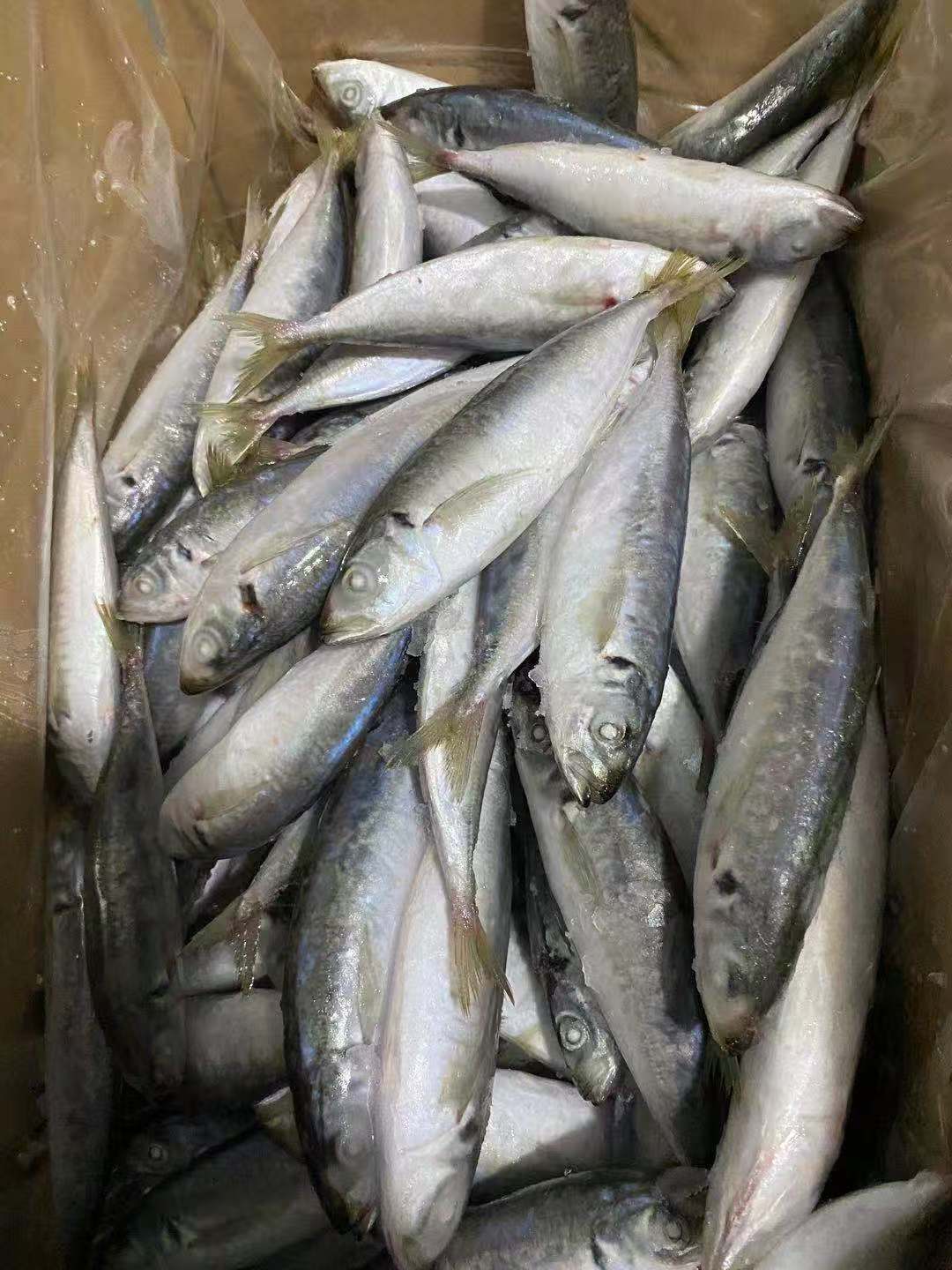
Pacific mackerel is a **fatty fish** known for its rich, flavorful meat and robust nutrient profile. A typical serving of frozen Pacific mackerel (about 100 grams) contains:
- Calories: Approximately 200-250
- Protein: 20-25 grams
- Fat: 13-18 grams, predominantly healthy unsaturated fats
- Omega-3 Fatty Acids: 2-3 grams
- Vitamins: B12, D, and A
- Minerals: Selenium, potassium, and magnesium
This nutrient-rich profile makes Pacific mackerel a fantastic choice for anyone looking to improve their health through diet. The presence of omega-3 fatty acids, high-quality protein, and essential vitamins and minerals contributes to its status as a superfood.
2. Health Benefits of Eating Pacific Mackerel
Regular consumption of frozen Pacific mackerel can yield numerous health benefits. Below, we will delve into some of the most significant advantages that this fish offers:
3. Omega-3 Fatty Acids and Heart Health
One of the standout features of Pacific mackerel is its high content of **omega-3 fatty acids**, particularly EPA and DHA. These essential fats are known for their numerous heart-healthy effects, including:
- Lowering triglyceride levels
- Reducing blood pressure
- Decreasing the risk of heart disease
- Improving overall cardiovascular health
Research has consistently shown that diets rich in omega-3 fatty acids can lower the risk of heart attacks and strokes. By incorporating frozen Pacific mackerel into your weekly meal plan, you are actively supporting your heart health.
4. Protein Content and Muscle Building
Pacific mackerel is an excellent source of **high-quality protein**, which is essential for muscle growth, repair, and overall body function. The protein content in Pacific mackerel supports:
- Muscle development and repair
- Weight management by promoting satiety
- Improved metabolism
For those engaged in regular physical activity, particularly strength training, the protein in mackerel aids recovery and helps maintain lean muscle mass. It’s an ideal food for athletes and fitness enthusiasts alike.
5. Essential Vitamins and Minerals
The nutrient profile of Pacific mackerel includes essential vitamins and minerals that contribute to overall health:
- Vitamin B12: Vital for nerve function and the production of red blood cells.
- Vitamin D: Supports bone health and immune function.
- Selenium: Acts as an antioxidant, protecting cells from damage.
- Potassium: Helps maintain healthy blood pressure levels.
These nutrients play crucial roles in maintaining energy levels, promoting bone health, and supporting the immune system. Including frozen Pacific mackerel in your diet helps ensure you receive these essential nutrients.
6. Sustainability and Environmental Impact
Choosing frozen Pacific mackerel can also align with sustainable eating practices. Many fisheries that harvest Pacific mackerel are subject to stringent regulations that ensure responsible fishing methods. By supporting these fisheries, consumers can contribute to the sustainability of marine ecosystems. It’s not just about personal health; it’s about making choices that positively impact our planet.
7. Preparation Tips for Frozen Pacific Mackerel
Making the most of frozen Pacific mackerel starts with proper preparation. Here are some tips to ensure you get the best flavor and texture from this fish:
Defrosting Properly
To maintain the best texture and flavor, defrost Pacific mackerel in the refrigerator overnight or under cold running water. Avoid microwave defrosting, as this can compromise the fish’s quality.
Cooking Methods
Pacific mackerel can be prepared in various delicious ways, including grilling, baking, broiling, and pan-searing. Each method brings out the fish's natural flavor and can be paired with a variety of seasonings and sides.
Flavor Pairings
This fish pairs wonderfully with flavors like lemon, garlic, ginger, and herbs. Consider marinating it in a mixture of soy sauce, sesame oil, and garlic for a delectable Asian-inspired dish.
8. Delicious Recipes Featuring Pacific Mackerel
Here are a few scrumptious recipes to inspire your culinary adventures with frozen Pacific mackerel:
Grilled Pacific Mackerel with Lemon and Herbs
This simple yet flavorful dish involves marinating mackerel fillets in olive oil, lemon juice, fresh herbs, salt, and pepper before grilling until cooked through. Serve with a fresh salad for a light meal.
Pacific Mackerel Stir-Fry
For a quick and nutritious meal, sauté mackerel pieces with a mix of your favorite vegetables such as bell peppers, broccoli, and snap peas. Add soy sauce or teriyaki sauce for a burst of flavor.
Baked Pacific Mackerel with Garlic and Ginger
Combine minced garlic and ginger with soy sauce and sesame oil to create a marinade. Bake the marinated mackerel in the oven until flaky and serve it over a bed of steamed rice.
9. Frequently Asked Questions
1. Is frozen Pacific mackerel as nutritious as fresh?
Yes, frozen Pacific mackerel retains its nutritional value when properly frozen. It can be just as nutritious as fresh fish, making it a convenient and healthy option.
2. How often should I eat Pacific mackerel?
Incorporating Pacific mackerel into your diet 1-2 times a week can provide substantial health benefits without overconsuming seafood.
3. Can I eat the skin of Pacific mackerel?
Yes, the skin is edible and contains additional nutrients, including omega-3 fatty acids. It also adds flavor and texture to dishes.
4. How do I know if the frozen mackerel is safe to eat?
Always check the packaging for safety seals and ensure it is stored at proper freezing temperatures. Look for any off odors or discoloration before cooking.
5. What is the best way to cook frozen Pacific mackerel?
Grilling, baking, and pan-searing are great methods to cook frozen Pacific mackerel. Just remember to defrost it properly for the best results.
10. Conclusion
Incorporating frozen Pacific mackerel into your diet can be a delicious and nutritious choice that brings numerous health benefits. From heart health to muscle building and essential nutrient intake, this remarkable fish is a powerhouse of nutrition. By choosing frozen Pacific mackerel, you enjoy the convenience of having a versatile ingredient on hand while also making a responsible choice for the environment. Explore various cooking methods and recipes to elevate your meals while enjoying the robust flavors and health benefits this fish offers. Start including frozen Pacific mackerel in your regular diet, and take significant steps toward a healthier lifestyle today!




Contact Information
Address: No. 1 Haitu Road, Xiangzhi Town, Shishi City, Fujian Province
QR Code

Enterprise official website