No. 1 Haitu Road, Xiangzhi Town, Shishi City, Fujian Province China

The Environmental Impact of Consuming Frozen Bonito Fish: What You Need to Know
The Environmental Impact of Consuming Frozen Bonito Fish Understanding Bonito Fish: A Brief Overview Bonito fish, part of the Scombridae family, is a popular choice in many culinary cultures, particularly in Asian and Mediterranean cuisines. Known for its rich flavor and nutritional profile, frozen bonito has gained traction in global markets. However, the rising demand for this delicious seafood
Feb 22,2026
The Environmental Impact of Consuming Frozen Bonito Fish
Understanding Bonito Fish: A Brief Overview
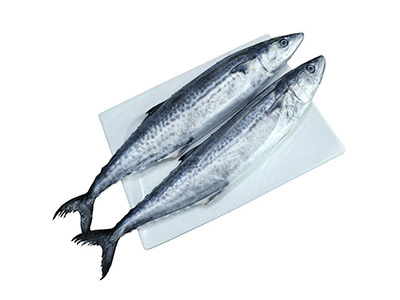
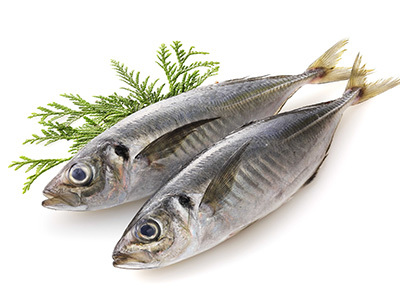
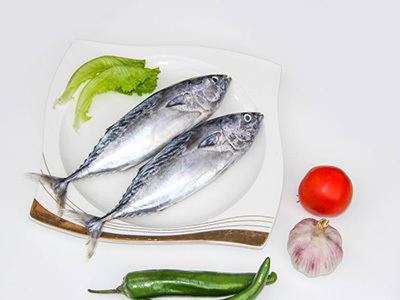
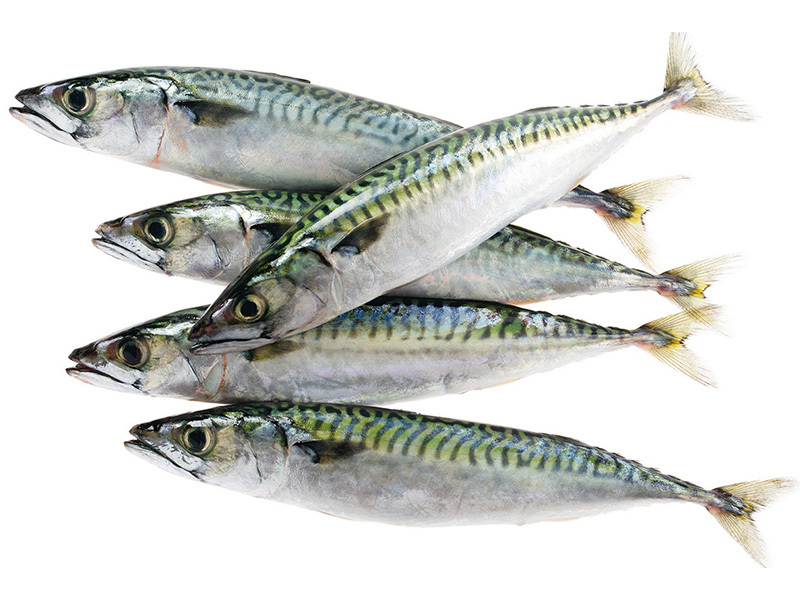
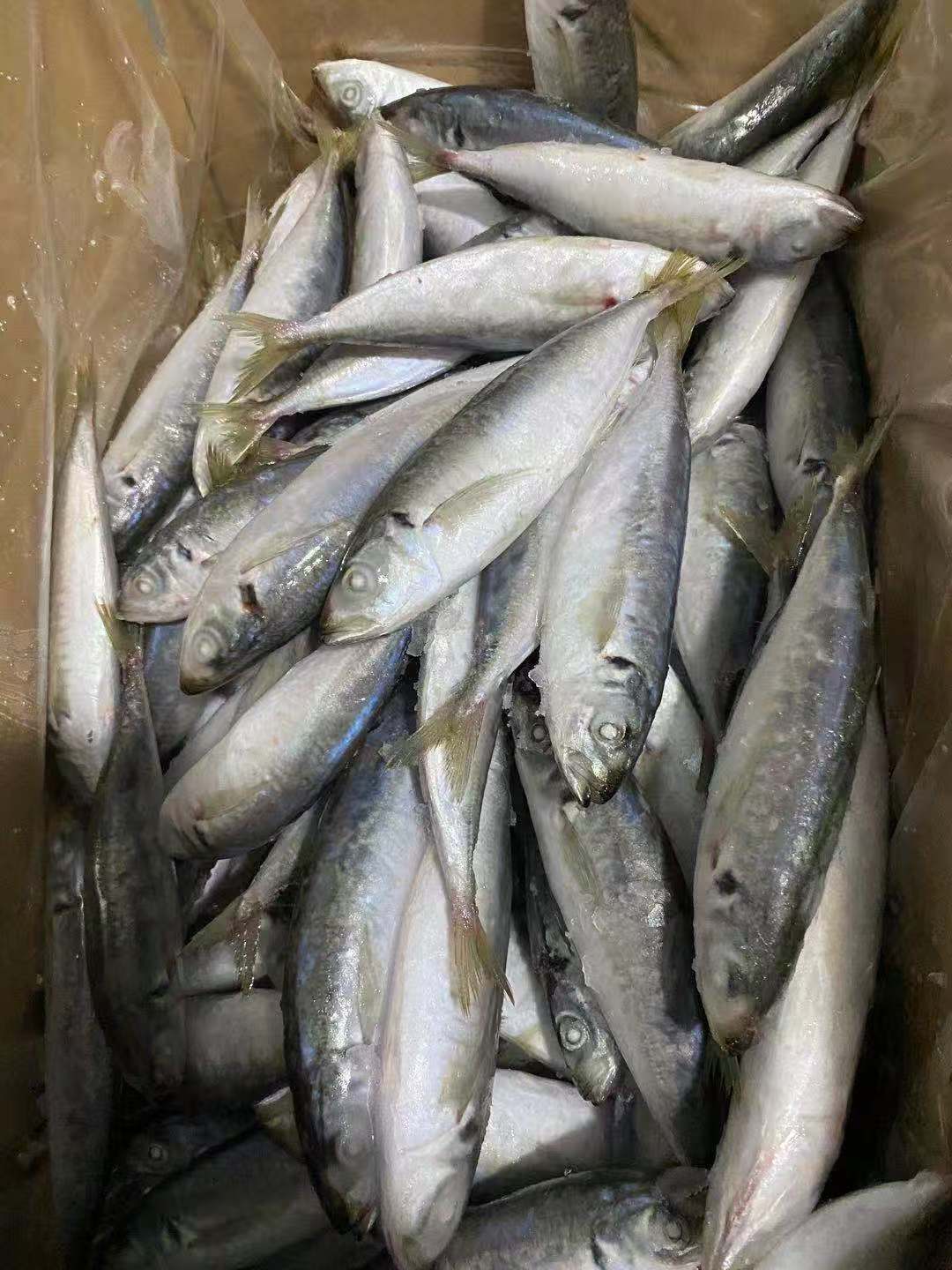
Bonito fish, part of the Scombridae family, is a popular choice in many culinary cultures, particularly in Asian and Mediterranean cuisines. Known for its rich flavor and nutritional profile, frozen bonito has gained traction in global markets. However, the rising demand for this delicious seafood raises concerns about its environmental impact.
The Fishing Practices Behind Frozen Bonito
Bonito is primarily caught through various fishing methods, including purse seining and longlining. These practices, while effective, can significantly affect marine ecosystems.
Purse Seining: Pros and Cons
Purse seining involves encircling schools of fish with a large net. Although this method is efficient and can be selective, it often captures unintended species, leading to bycatch and affecting biodiversity.
Longlining: A Double-Edged Sword
Longlining uses a long line with baited hooks and can target specific species like bonito. Despite its targeted approach, it poses risks to other marine life, including turtles and seabirds. Understanding these fishing methods is crucial in evaluating the sustainability of frozen bonito.
Assessing the Sustainability of Frozen Bonito
Sustainability in seafood consumption is measured by the health of fish stocks and the environmental impact of fishing practices. Organizations like the Marine Stewardship Council (MSC) assess these factors to guide consumers.
Fish Stock Levels and Overfishing
Overfishing is a critical concern in many fisheries, including bonito. Evaluating the stock levels is essential for determining whether consuming frozen bonito is environmentally responsible. Sustainable fisheries management practices aim to maintain healthy fish populations.
The Role of Eco-Labels in Sustainable Choices
Eco-labels can guide consumers toward more sustainable choices. Look for certifications like MSC, which indicates that the fish was sourced sustainably. Understanding these labels helps consumers make informed decisions.
The Carbon Footprint of Frozen Seafood
Transportation and storage of frozen bonito fish contribute to its carbon footprint. Understanding these factors can help consumers gauge the environmental impact of their seafood choices.
Transportation Modes: A Significant Contributor
Most frozen bonito is transported over long distances, often by air or sea. The carbon emissions associated with these transportation methods can be significant. Consumers should consider sourcing locally whenever possible to reduce their carbon footprint.
Energy Consumption in Freezing and Storage
The process of freezing bonito fish involves considerable energy consumption. From the initial freezing process to the refrigeration required for storage, these factors contribute to the overall environmental impact. Efficient energy practices can mitigate this impact.
Marine Ecosystem Impact: The Ripple Effect
The harvesting of bonito fish affects not only the species but also the broader marine ecosystem. Understanding these impacts can inform more responsible consumption habits.
Bycatch and Biodiversity Loss
Bycatch, the capture of unintended species during fishing, presents a significant threat to marine biodiversity. The decline of non-target species can disrupt the balance of marine ecosystems, leading to unforeseen consequences.
Impact on Habitat and Marine Health
Fishing practices can damage marine habitats, such as coral reefs and sea beds. Healthy ecosystems are vital for the survival of many marine species, including those that we consume.
Making Responsible Choices as Consumers
As consumers, we have the power to influence fishing practices and sustainability through our choices. Here are some practical tips for making responsible decisions when consuming frozen bonito fish.
Opt for Certified Sustainable Seafood
Choosing seafood with eco-labels not only supports sustainable fishing practices but also encourages responsible behavior among fisheries.
Reduce Consumption of High-Impact Seafood
Limiting the consumption of species that are overfished or caught using destructive practices can contribute to healthier oceans. Consider diversifying your diet with more sustainable options.
Support Local Fisheries and Markets
Buying from local sources reduces transportation emissions and supports community fisheries. Local fisheries are often more transparent about their practices and can provide fresher products.
FAQs: The Environmental Impact of Consuming Frozen Bonito Fish
1. Is frozen bonito fish considered sustainable?
Sustainability depends on the fishing practices and stock levels. Look for eco-labels to identify sustainably sourced bonito.
2. How can I tell if the bonito fish is sustainably sourced?
Check for certifications such as those from the Marine Stewardship Council (MSC) or other recognized organizations.
3. What are the environmental concerns related to consuming frozen seafood?
Key concerns include overfishing, carbon footprint from transportation, and damage to marine ecosystems due to fishing practices.
4. How does bycatch affect the environment?
Bycatch contributes to the decline of non-target species, disrupting the balance of marine ecosystems and threatening biodiversity.
5. Are there alternatives to frozen bonito fish that are more sustainable?
Yes, consider other sustainably sourced fish or plant-based seafood alternatives that have a lower environmental impact.
Conclusion
The consumption of frozen bonito fish carries significant environmental implications that should not be overlooked. By understanding the fishing practices, sustainability measures, and the broader impact on marine ecosystems, we can make informed decisions that contribute to the health of our oceans. By opting for sustainably sourced seafood and reducing our consumption of high-impact products, we play a crucial role in promoting a more sustainable future for our oceans and the planet. Embracing responsible choices not only benefits the environment but also supports the fishing communities working toward sustainable practices.




Contact Information
Address: No. 1 Haitu Road, Xiangzhi Town, Shishi City, Fujian Province
QR Code

Enterprise official website