No. 1 Haitu Road, Xiangzhi Town, Shishi City, Fujian Province China

Understanding Round Scad: A Key Player in Sustainable Seafood Practices
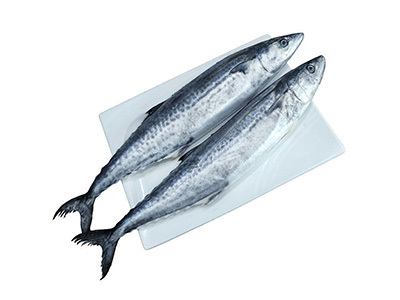
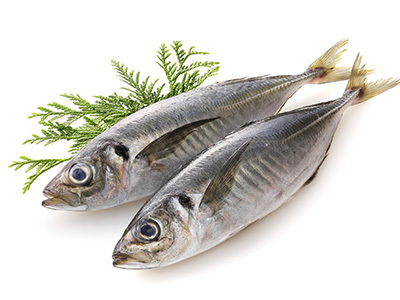
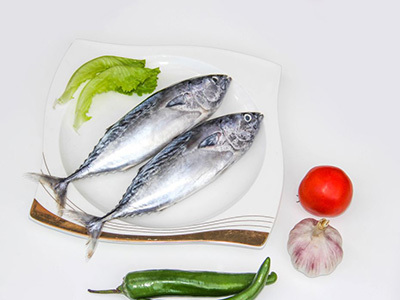
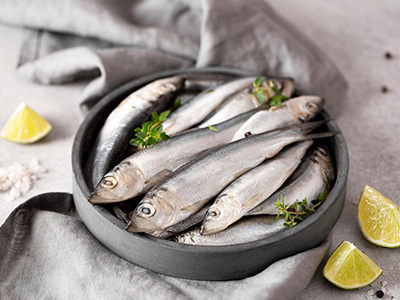
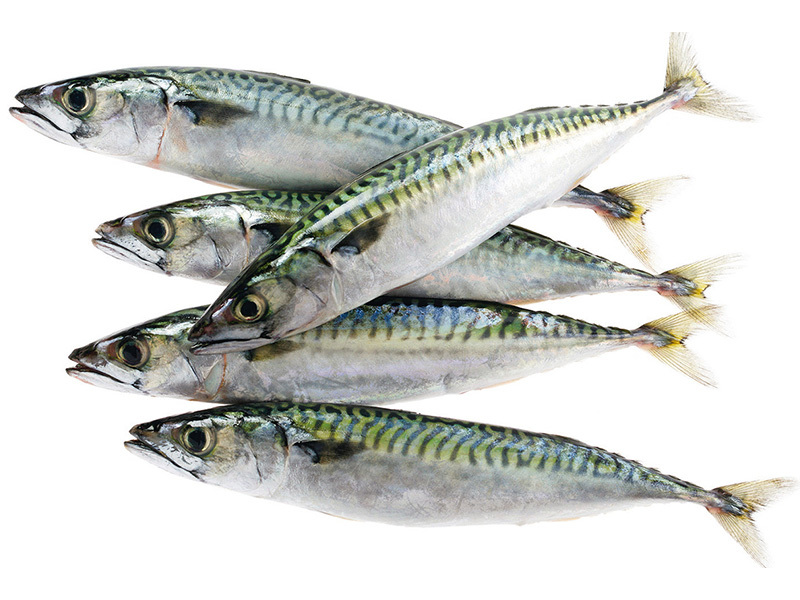
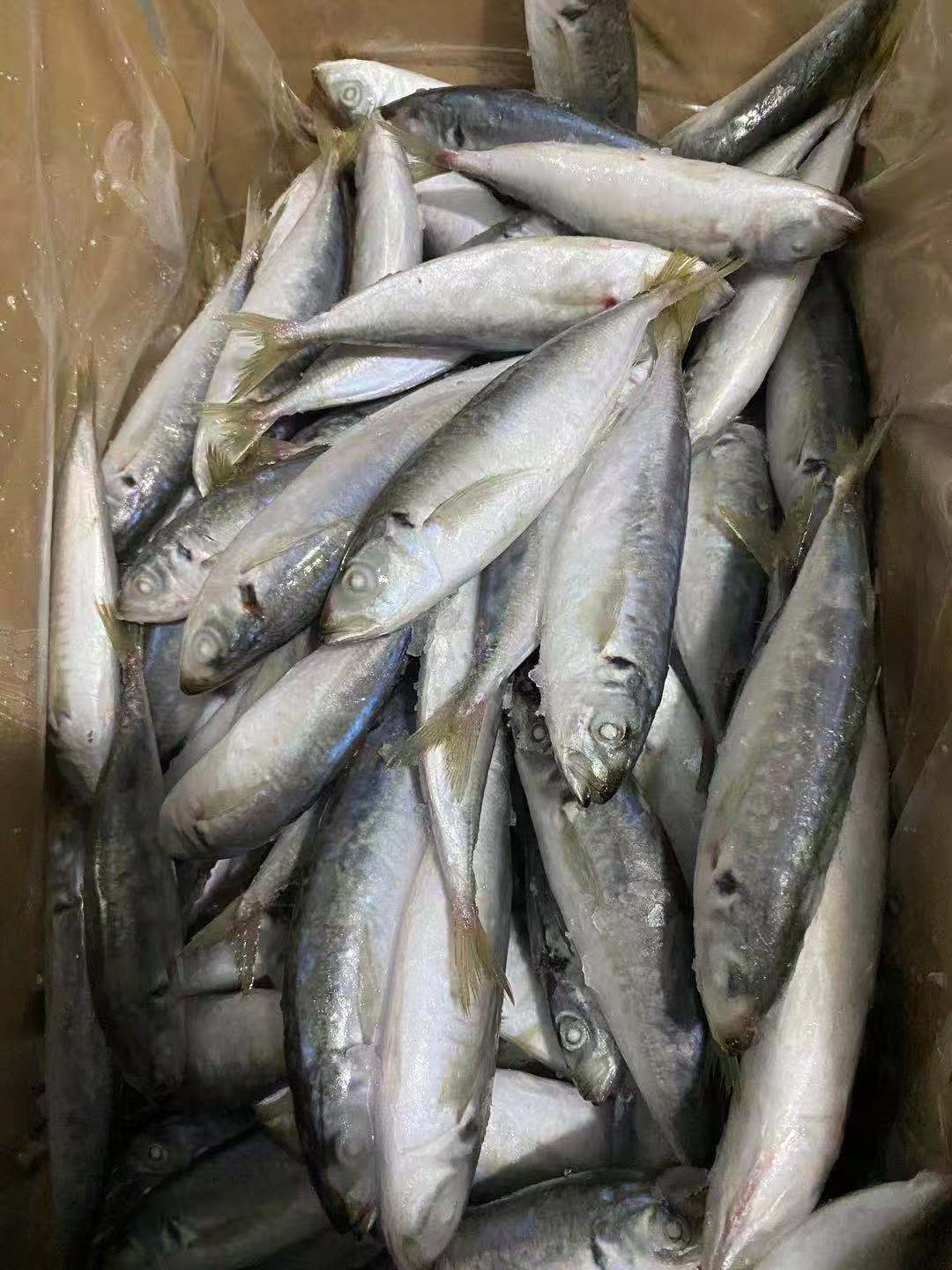
Round Scad, scientifically known as Decapterus spp., is a significant species in the seafood industry, particularly in the context of sustainable practices. This small to medium-sized fish is prevalent in tropical and subtropical waters, making it a vital component of many marine ecosystems and local economies. For professionals in the agriculture and seafood sectors, understanding Round Scad can
Feb 21,2026
Round Scad, scientifically known as Decapterus spp., is a significant species in the seafood industry, particularly in the context of sustainable practices. This small to medium-sized fish is prevalent in tropical and subtropical waters, making it a vital component of many marine ecosystems and local economies. For professionals in the agriculture and seafood sectors, understanding Round Scad can offer essential insights into market trends, sustainability practices, and nutritional value.
One of the primary attractions of Round Scad is its adaptability and resilience in various marine environments. This species thrives in schools, allowing for efficient harvesting strategies. As a result, it is often caught using purse seines, which minimize bycatch and reduce the impact on the ecosystem. Sustainable fishing practices, including the use of selective gear and adherence to catch limits, are crucial for maintaining Round Scad populations and ensuring the longevity of fisheries.
From a nutritional standpoint, Round Scad is a rich source of omega-3 fatty acids, protein, and essential vitamins and minerals. These nutritional benefits make it an attractive option for health-conscious consumers, opening up opportunities for market expansion. Promoting Round Scad as a healthy and sustainable seafood choice can help seafood businesses tap into the growing demand for eco-friendly products.
Furthermore, the global market for Round Scad is influenced by seasonal availability and regional fishing practices. In some areas, Round Scad is processed into various products, such as canned fish, fish sauce, and dried fish, which can be marketed both domestically and internationally. Understanding these market dynamics can assist professionals in making informed decisions regarding product development and distribution strategies.
Sustainability also plays a pivotal role in the future of Round Scad fisheries. With increasing awareness of the environmental impacts of overfishing, it is essential for industry stakeholders to engage in responsible fishing practices. Collaborating with local communities, governments, and NGOs can foster a holistic approach to management, ensuring that Round Scad populations remain healthy and viable for future generations.
In conclusion, Round Scad represents a valuable asset within the agricultural and seafood industries. By understanding its ecological significance, nutritional benefits, and market dynamics, professionals can enhance their strategies for sustainable seafood sourcing and contribute to responsible fishery practices. Emphasizing these aspects will not only benefit businesses but also promote a more sustainable future for marine resources.
TAG:




Contact Information
Address: No. 1 Haitu Road, Xiangzhi Town, Shishi City, Fujian Province
QR Code

Enterprise official website