No. 1 Haitu Road, Xiangzhi Town, Shishi City, Fujian Province China

Exploring Todarodes Sagittatus: A Valuable Resource in the Seafood Industry
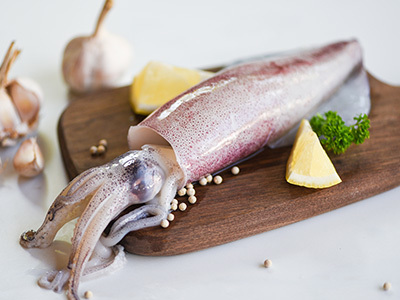
Todarodes Sagittatus, or the European flying squid, is an important cephalopod species found primarily in the Atlantic Ocean and Mediterranean Sea. This species is well-known for its unique ability to glide through the water, which it achieves by expelling water from its body. The flying squid plays a crucial ecological role as both predator and prey within marine ecosystems, contributing to biodi
Feb 19,2026
Todarodes Sagittatus, or the European flying squid, is an important cephalopod species found primarily in the Atlantic Ocean and Mediterranean Sea. This species is well-known for its unique ability to glide through the water, which it achieves by expelling water from its body. The flying squid plays a crucial ecological role as both predator and prey within marine ecosystems, contributing to biodiversity and the balance of marine life.
From a nutritional standpoint, Todarodes Sagittatus is valued for its high protein content and low fat levels. It is rich in essential amino acids, making it a sought-after choice for health-conscious consumers. Additionally, the squid contains important vitamins and minerals, including vitamin B12, selenium, and phosphorus, which are vital for maintaining various bodily functions. These attributes make it a popular ingredient in various culinary applications, contributing to the increasing demand for squid products in the seafood market.
Research suggests that the fishing practices associated with Todarodes Sagittatus are essential for sustainable seafood sourcing. With a growing focus on environmental conservation, understanding the life cycle and spawning habits of this species can help in the development of effective management strategies. Sustainable fishing practices not only protect the squid population but also ensure the health of marine ecosystems, providing long-term benefits for the industry.
Moreover, Todarodes Sagittatus is gaining attention in the context of aquaculture. The potential for farming this species could lead to reduced pressure on wild stocks and contribute to food security. However, successful aquaculture requires thorough research into the species' dietary needs, growth patterns, and breeding behaviors. By investing in research and development, stakeholders can explore innovative aquaculture techniques that could revolutionize the production of this species.
To maximize the benefits derived from Todarodes Sagittatus, it is essential for industry players to stay informed about advancements in research, sustainable practices, and market trends. Networking with experts in marine biology, fisheries management, and aquaculture can provide valuable insights into best practices and innovative approaches to seafood sourcing and production.
In summary, Todarodes Sagittatus represents not just a valuable seafood resource but also an opportunity for sustainable practices in the industry. By prioritizing research and sustainable fishing methods, stakeholders can ensure the longevity of this species while meeting the growing consumer demand for healthy and nutritious seafood options.
TAG:




Contact Information
Address: No. 1 Haitu Road, Xiangzhi Town, Shishi City, Fujian Province
QR Code

Enterprise official website