No. 1 Haitu Road, Xiangzhi Town, Shishi City, Fujian Province China


Sustainable Fishing Practices Behind Frozen Pacific Mackerel: Ensuring Ocean Health and Food Security
Sustainable Fishing Practices Behind Frozen Pacific Mackerel In recent years, the conversation surrounding sustainable fishing has gained significant traction, particularly as seafood consumption continues to rise globally. Among various seafood options, frozen Pacific mackerel stands out due to its rich flavor and impressive nutritional profile. However, the importance of sustainability in the fi
Feb 18,2026
Sustainable Fishing Practices Behind Frozen Pacific Mackerel
In recent years, the conversation surrounding sustainable fishing has gained significant traction, particularly as seafood consumption continues to rise globally. Among various seafood options, frozen Pacific mackerel stands out due to its rich flavor and impressive nutritional profile. However, the importance of sustainability in the fishing industry cannot be overstated. This article delves into the sustainable fishing practices employed in the harvesting of frozen Pacific mackerel, highlighting their role in protecting marine ecosystems and ensuring food security for future generations.
Understanding Pacific Mackerel: A Nutritional Powerhouse
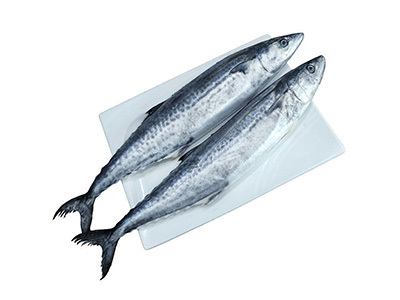
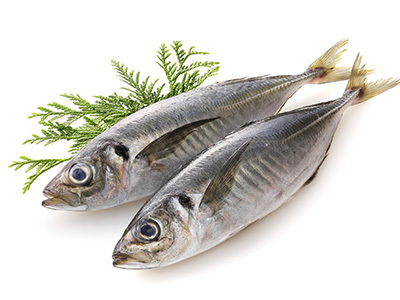
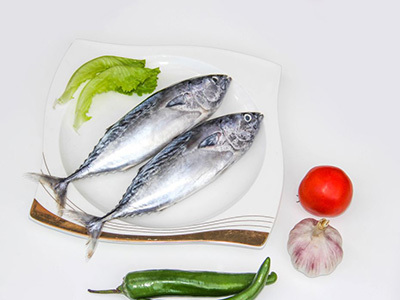
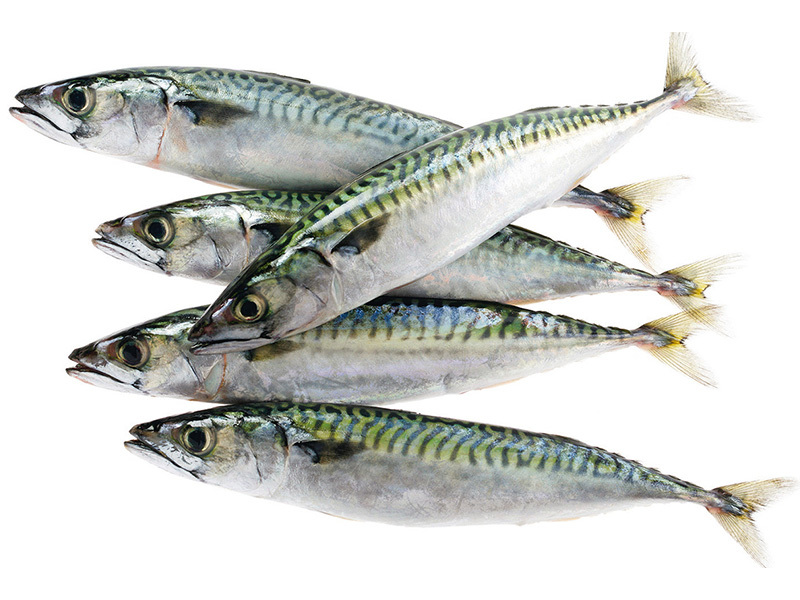
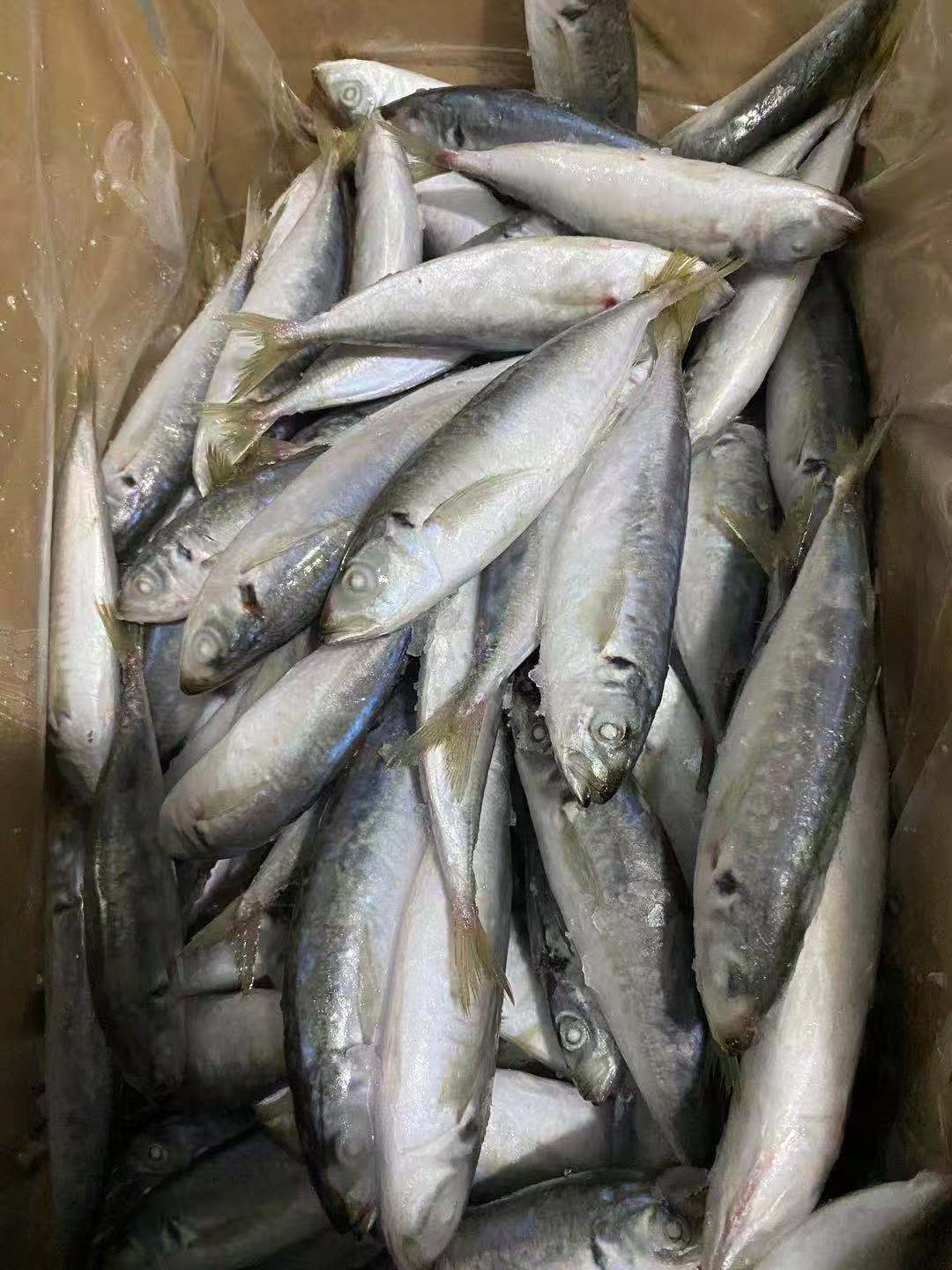
Pacific mackerel, scientifically known as Scomber japonicus, is a highly nutritious fish found in the Pacific Ocean. Rich in omega-3 fatty acids, vitamins, and minerals, mackerel is not only delicious but also supports heart health and cognitive function. As a result, it has become increasingly popular in various culinary traditions, especially in Asian cuisine.
The Importance of Sustainable Fishing Practices
With the growing demand for seafood, overfishing poses a significant threat to the health of marine ecosystems. Unsustainable fishing practices can lead to the depletion of fish stocks, habitat destruction, and a decline in the overall biodiversity of our oceans. Implementing sustainable fishing practices is crucial for maintaining the balance of marine life and ensuring that future generations have access to vital seafood resources.
Defining Sustainable Fishing Practices
Sustainable fishing practices encompass a range of methods aimed at minimizing the environmental impact of fishing activities. These practices include:
- Using selective fishing gear to reduce bycatch
- Implementing catch limits based on scientific assessments
- Monitoring fish populations to ensure healthy stock levels
- Protecting marine habitats and ecosystems
How Frozen Pacific Mackerel is Harvested Sustainably
The journey from ocean to table for frozen Pacific mackerel involves a series of carefully planned steps aimed at preserving both the fish's quality and the health of the marine environment. Here, we explore the sustainable practices employed in the harvesting and processing of frozen Pacific mackerel.
1. Responsible Fishing Techniques
Many fisheries that harvest Pacific mackerel utilize responsible fishing techniques, such as:
- **Purse Seining**: This method involves encircling schools of mackerel with a large net, allowing fishers to catch targeted species while minimizing bycatch.
- **Longlining**: In this technique, a long line with baited hooks is deployed. This method proves effective for catching mackerel while allowing for the selective harvesting of larger fish, thus preserving juvenile populations.
2. Adhering to Quotas and Regulations
Sustainable fisheries operate under strict guidelines and quotas established by regional management organizations. These quotas are based on scientific assessments of fish populations, ensuring that only a sustainable portion of the Pacific mackerel population is harvested each year. Compliance with quotas helps prevent overfishing and allows fish stocks to recover effectively.
3. Eco-Certification and Traceability
Many sustainable fisheries seek eco-certification from organizations like the Marine Stewardship Council (MSC). This certification indicates that the fishery adheres to strict sustainability standards. Traceability systems ensure that consumers can track the journey of their frozen Pacific mackerel from ocean to supermarket, providing transparency and accountability in the supply chain.
The Role of Technology in Sustainable Fishing
Advancements in technology play a pivotal role in promoting sustainable fishing practices. Innovative tools and techniques enhance the efficiency and sustainability of fishing operations. Here are a few key technologies making a difference:
1. Satellite Monitoring
Satellite technology enables fishery managers to monitor fishing vessels in real-time. This oversight helps prevent illegal, unreported, and unregulated (IUU) fishing activities, ensuring that all fishing operations comply with sustainability regulations.
2. Fish Aggregating Devices (FADs)
FADs are man-made structures that attract fish, including Pacific mackerel. When used correctly, FADs can enhance catch efficiency while minimizing bycatch. Responsible use of FADs, combined with strict monitoring, can significantly improve the sustainability of fishing operations.
3. Data-Driven Decision Making
Data analytics and artificial intelligence are revolutionizing the fishing industry. By analyzing fish population data, environmental conditions, and fishing patterns, fisheries can make informed decisions about when and where to fish, optimizing harvests while maintaining sustainability.
The Social Impact of Sustainable Fishing Practices
Sustainable fishing is not only about preserving marine ecosystems; it also has far-reaching social implications. Here are some of the ways sustainable fishing practices benefit communities:
1. Supporting Local Economies
Many coastal communities rely on fishing for their livelihoods. By adopting sustainable practices, fisheries can ensure the long-term viability of local fishing industries, thus supporting jobs and economic stability.
2. Preserving Traditional Fishing Practices
Many indigenous and local communities have long histories of sustainable fishing practices. Recognizing and integrating these traditional methods into modern fisheries management can foster community involvement and enhance the effectiveness of sustainability initiatives.
3. Enhancing Food Security
Sustainable fishing helps ensure a steady supply of seafood for local and global markets. By maintaining healthy fish populations, these practices contribute to food security, particularly in regions where fish is a primary source of protein.
Conclusion: The Future of Sustainable Fishing
The sustainable fishing practices behind frozen Pacific mackerel play an essential role in protecting our oceans and securing food for future generations. By implementing responsible fishing techniques, adhering to regulations, leveraging technology, and supporting local communities, we can ensure that this vital resource remains available for years to come. As consumers, we have the power to make informed choices that support sustainable fisheries. By choosing frozen Pacific mackerel from responsible sources, we contribute to a healthier ocean and a more sustainable food system.
FAQs
1. What makes Pacific mackerel a sustainable seafood choice?
Pacific mackerel is considered sustainable when harvested using responsible fishing techniques, adhering to quotas and regulations, and certified by eco-labels like the Marine Stewardship Council (MSC).
2. How can I ensure that my frozen Pacific mackerel is sustainably sourced?
Look for eco-certifications on packaging, such as the MSC label, and choose products from fisheries with transparent traceability systems.
3. What are the health benefits of consuming Pacific mackerel?
Pacific mackerel is rich in omega-3 fatty acids, vitamins, and minerals, which contribute to heart health, brain function, and overall well-being.
4. Are there any environmental concerns associated with mackerel fishing?
Overfishing and habitat destruction are primary concerns. However, sustainable fishing practices aim to mitigate these issues by ensuring healthy fish populations and preserving marine ecosystems.
5. How can technology improve sustainable fishing practices?
Technology can enhance monitoring, optimize fishing operations, and promote data-driven decision-making, all of which contribute to more sustainable fishing practices.




Contact Information
Address: No. 1 Haitu Road, Xiangzhi Town, Shishi City, Fujian Province
QR Code

Enterprise official website