No. 1 Haitu Road, Xiangzhi Town, Shishi City, Fujian Province China




Understanding Round Scad: A Valuable Species in Fisheries Management
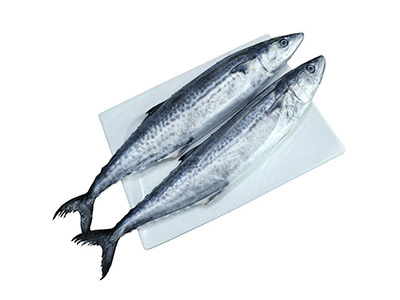
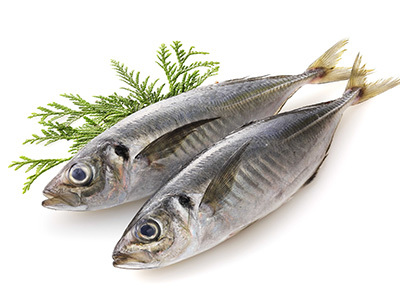
Round Scad, scientifically known as Decapterus spp., is a genus of fish that plays a vital role in the marine ecosystem, particularly in the context of fisheries management within the agricultural and seafood industries. As a highly sought-after species, Round Scad is particularly valued for its versatility in culinary applications and its important ecological role as a forage fish. Biologically,
Dec 19,2025
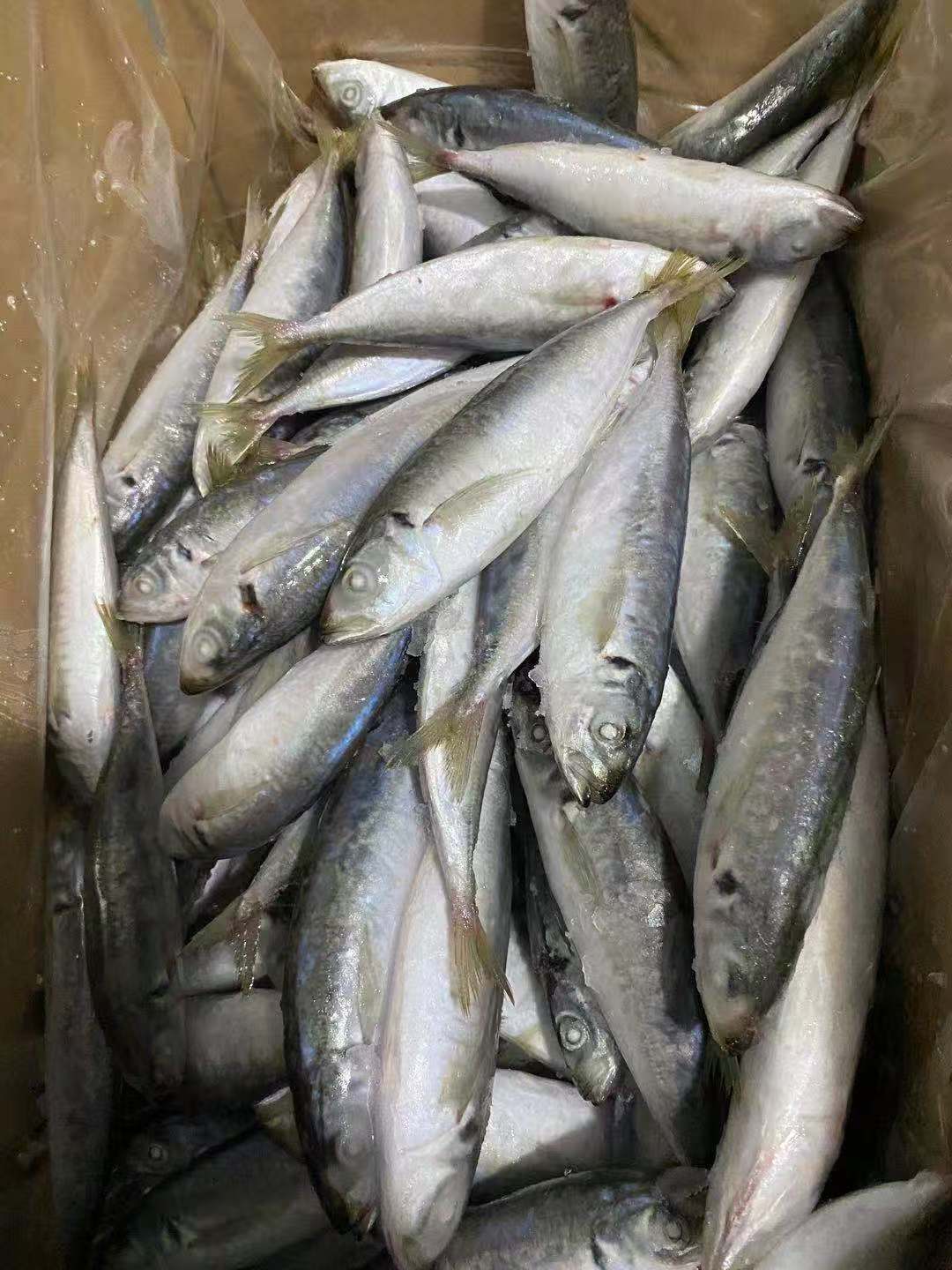
Round Scad, scientifically known as Decapterus spp., is a genus of fish that plays a vital role in the marine ecosystem, particularly in the context of fisheries management within the agricultural and seafood industries. As a highly sought-after species, Round Scad is particularly valued for its versatility in culinary applications and its important ecological role as a forage fish.
Biologically, Round Scad are small to medium-sized fish that typically inhabit warm, coastal waters, making them accessible to both artisanal and commercial fishing operations. Their schooling behavior not only makes them easier to catch, but it also contributes to their resilience as a species, allowing them to thrive in various marine environments. These fish are known for their rapid growth rates and prolific spawning, which are key factors in their sustainability as a fishery resource.
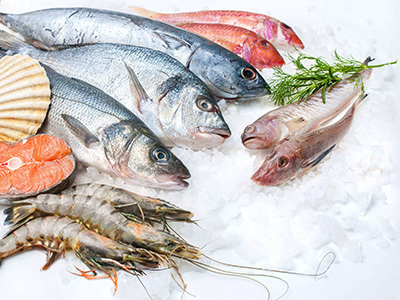
From an economic standpoint, Round Scad offers numerous opportunities for fishermen and culinary professionals alike. The fish is often processed into various products such as salted, dried, or canned offerings, which are particularly popular in Asian and Pacific cuisines. This versatility enhances its market value and ensures that it remains a staple in many diets around the world.
However, with the increasing demand for seafood, the sustainable management of Round Scad fisheries becomes paramount. Overfishing poses a significant threat to the species and can lead to severe ecological imbalances. Therefore, implementing effective fisheries management practices is crucial. Monitoring stock levels, enforcing fishing quotas, and promoting responsible fishing methods can help preserve Round Scad populations while ensuring continued economic benefit to communities reliant on this resource.
Additionally, educating stakeholders about the importance of sustainable fishing practices is essential. Fishermen, consumers, and policymakers must work collaboratively to establish guidelines that prioritize ecological health and economic viability. For example, the use of selective fishing gear can minimize bycatch, allowing other marine species to thrive.
In conclusion, Round Scad represents more than just a fish species; it embodies the interconnectedness of marine ecosystems, economic livelihoods, and food security. By prioritizing sustainable fishing practices and understanding its role within the broader context of fisheries management, stakeholders can ensure that Round Scad continues to be a valuable resource for future generations.
Biologically, Round Scad are small to medium-sized fish that typically inhabit warm, coastal waters, making them accessible to both artisanal and commercial fishing operations. Their schooling behavior not only makes them easier to catch, but it also contributes to their resilience as a species, allowing them to thrive in various marine environments. These fish are known for their rapid growth rates and prolific spawning, which are key factors in their sustainability as a fishery resource.
From an economic standpoint, Round Scad offers numerous opportunities for fishermen and culinary professionals alike. The fish is often processed into various products such as salted, dried, or canned offerings, which are particularly popular in Asian and Pacific cuisines. This versatility enhances its market value and ensures that it remains a staple in many diets around the world.
However, with the increasing demand for seafood, the sustainable management of Round Scad fisheries becomes paramount. Overfishing poses a significant threat to the species and can lead to severe ecological imbalances. Therefore, implementing effective fisheries management practices is crucial. Monitoring stock levels, enforcing fishing quotas, and promoting responsible fishing methods can help preserve Round Scad populations while ensuring continued economic benefit to communities reliant on this resource.
Additionally, educating stakeholders about the importance of sustainable fishing practices is essential. Fishermen, consumers, and policymakers must work collaboratively to establish guidelines that prioritize ecological health and economic viability. For example, the use of selective fishing gear can minimize bycatch, allowing other marine species to thrive.
In conclusion, Round Scad represents more than just a fish species; it embodies the interconnectedness of marine ecosystems, economic livelihoods, and food security. By prioritizing sustainable fishing practices and understanding its role within the broader context of fisheries management, stakeholders can ensure that Round Scad continues to be a valuable resource for future generations.
TAG:




Contact Information
Address: No. 1 Haitu Road, Xiangzhi Town, Shishi City, Fujian Province
QR Code

Enterprise official website