No. 1 Haitu Road, Xiangzhi Town, Shishi City, Fujian Province China

Squid Flower vs. Traditional Squid: Understanding the Key Differences
Squid Flower vs. Traditional Squid: What's the Difference? Table of Contents 1. Introduction 2. What is Squid Flower? 3. What is Traditional Squid? 4. Nutritional Comparison: Squid Flower vs. Traditional Squid 5. Culinary Uses of Squid Flower and Traditional Squid 6. Taste and Texture: A Side-by-Side Analysis 7. Cooking Techniques for Squid Flower and Traditional Squid 8. Sustaina
Dec 18,2025
Squid Flower vs. Traditional Squid: What's the Difference?
Table of Contents
- 1. Introduction
- 2. What is Squid Flower?
- 3. What is Traditional Squid?
- 4. Nutritional Comparison: Squid Flower vs. Traditional Squid
- 5. Culinary Uses of Squid Flower and Traditional Squid
- 6. Taste and Texture: A Side-by-Side Analysis
- 7. Cooking Techniques for Squid Flower and Traditional Squid
- 8. Sustainability Considerations
- 9. Conclusion
- 10. Frequently Asked Questions
1. Introduction
In the world of seafood, **squid** is a beloved choice among culinary enthusiasts. Within this category, two prominent contenders have emerged: **Squid Flower** and **Traditional Squid**. While they may appear similar at first glance, a deeper analysis reveals significant differences that impact taste, texture, nutritional value, and culinary applications. In this article, we delve into the nuances between these two types of squid, providing you with a clearer understanding of their unique characteristics and how they can be used in your cooking.
2. What is Squid Flower?
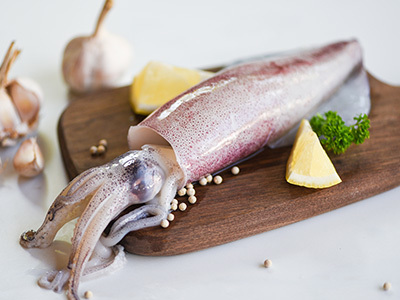
**Squid Flower**, also known as “flower squid” or “squid blossoms,” is a lesser-known variety that has gained traction in recent culinary circles. Characterized by its **delicate petals** and **soft flesh**, this type of squid is often harvested at a smaller size, making it particularly tender and flavorful.
Originating primarily from regions with abundant marine biodiversity, Squid Flower is celebrated for its unique flavor profile. Its gentle taste allows it to absorb seasonings well, making it a versatile ingredient in various dishes. Cooks often utilize Squid Flower in salads, stir-fries, and soups, enhancing the overall depth of flavor without overwhelming other ingredients.
3. What is Traditional Squid?
**Traditional Squid**, typically referring to larger species such as **Loligo** or **Illex**, has a more robust presence in global cuisines. Known for their **firm texture** and **distinctive taste**, traditional squid varieties are staples in Mediterranean, Asian, and coastal cuisines alike.
Traditional squid is often served grilled, fried, or stuffed, and its versatility in preparation makes it a popular choice for chefs and home cooks. The flavor ranges from mildly sweet to slightly briny, making it an excellent pairing for a wide array of sauces and accompaniments. The larger size of traditional squid also allows for various culinary techniques that showcase its unique qualities.
4. Nutritional Comparison: Squid Flower vs. Traditional Squid
When considering dietary choices, it’s crucial to examine the nutritional profiles of both Squid Flower and Traditional Squid.
Nutritional Benefits of Squid Flower
- **Low in Calories**: Squid Flower generally contains fewer calories compared to its traditional counterpart, making it an ideal option for lighter dishes.
- **Rich in Protein**: Like other squid varieties, Squid Flower offers a high protein content, essential for muscle repair and growth.
- **Healthy Fats**: This type of squid contains omega-3 and omega-6 fatty acids, which are beneficial for heart health.
Nutritional Benefits of Traditional Squid
- **Higher Mineral Content**: Traditional Squid is a source of essential minerals like iron, zinc, and selenium, contributing to overall health.
- **Good Source of B Vitamins**: Traditional Squid provides vitamins such as B12 and niacin, supporting energy metabolism and cognitive function.
While both Squid Flower and Traditional Squid offer health benefits, the specific nutritional advantages may influence your choice depending on dietary requirements.
5. Culinary Uses of Squid Flower and Traditional Squid
Exploring the **culinary applications** of these two types of squid uncovers a wealth of possibilities.
Squid Flower Recipes
- **Squid Flower Salad**: A refreshing dish with fresh greens, citrus dressing, and lightly cooked squid flower, perfect for warm evenings.
- **Stir-Fried Squid Flower with Vegetables**: Quick and easy, this dish highlights the squid's tenderness, absorbing the flavors of garlic and soy sauce beautifully.
Traditional Squid Recipes
- **Grilled Stuffed Squid**: Traditional squid is often stuffed with a mixture of rice, herbs, and spices, delivering a hearty main course.
- **Calamari Rings**: A popular appetizer, calamari is typically breaded and fried for a crispy texture, showcasing the squid's unique flavor.
Both types of squid can be adapted to various cuisines, making them staples in kitchens worldwide.
6. Taste and Texture: A Side-by-Side Analysis
The sensory attributes of Squid Flower and Traditional Squid dramatically influence culinary choices.
Flavor Profile Comparison
- **Squid Flower**: Characterized by a subtle sweetness and mild oceanic notes, it complements lighter dishes well.
- **Traditional Squid**: Offers a more robust and distinctive flavor, often described as slightly sweet with a briny finish.
Texture Comparison
- **Squid Flower**: The delicate, tender texture makes it melt-in-your-mouth, ideal for dishes that require quick cooking.
- **Traditional Squid**: Its firmer texture holds up well during longer cooking times, making it suitable for various preparation methods.
Understanding these differences allows chefs and home cooks to select the appropriate squid variety based on the desired taste and texture of the dish.
7. Cooking Techniques for Squid Flower and Traditional Squid
The cooking methods employed can significantly impact the final dish’s flavor and texture.
Best Cooking Techniques for Squid Flower
- **Sautéing**: Quick cooking over high heat preserves tenderness while enhancing flavor.
- **Blanching**: A brief soak in boiling water brings out its natural sweetness and soft texture.
Best Cooking Techniques for Traditional Squid
- **Grilling**: Imparts a smoky flavor, perfect for larger squid varieties.
- **Frying**: A popular method for ensuring a crunchy exterior while keeping the inside tender.
Mastering these techniques can elevate your culinary creations, maximizing the flavor potential of both squid types.
8. Sustainability Considerations
As consumers become more environmentally conscious, the sustainability of seafood choices is paramount.
Sustainability of Squid Flower
Squid Flower is often sourced from sustainable fisheries that prioritize ethical fishing practices. Its smaller size also means that it can be harvested without depleting stocks, contributing to the overall health of marine ecosystems.
Sustainability of Traditional Squid
Conversely, traditional squid fisheries may face challenges related to overfishing and habitat destruction. It’s essential to seek out suppliers and brands that adhere to sustainable fishing practices, ensuring responsible consumption.
Making informed choices about seafood not only benefits individual health but also supports the longevity of marine ecosystems.
9. Conclusion
In summary, both Squid Flower and Traditional Squid offer unique flavors, textures, and nutritional benefits that cater to diverse culinary preferences. Squid Flower shines in light, delicate dishes, while Traditional Squid is a robust option for heartier, more substantial meals. Understanding the differences between these two varieties empowers consumers to make informed decisions that align with their culinary goals and dietary needs. Whether you’re a seasoned chef or an enthusiastic home cook, experimenting with both types of squid can enhance your culinary repertoire and delight your taste buds.
10. Frequently Asked Questions
What is the main difference between Squid Flower and Traditional Squid?
The primary difference lies in their texture and flavor profiles. Squid Flower is tender and subtle in flavor, while Traditional Squid is firmer with a more pronounced taste.
Can I substitute Squid Flower for Traditional Squid in recipes?
Yes, you can substitute them based on the desired texture and flavor in your dish. However, keep in mind that cooking times may vary due to their differing textures.
Is one type of squid healthier than the other?
Both types of squid offer health benefits, but Squid Flower tends to be lower in calories. Traditional Squid provides higher levels of essential minerals.
How do I choose sustainable squid products?
Look for certifications from organizations that promote sustainable fisheries, or choose brands that prioritize ethical sourcing and environmental responsibility.
What are the best cooking methods for preserving the flavor of squid?
Quick cooking methods such as sautéing or grilling are ideal for preserving the flavor and texture of both Squid Flower and Traditional Squid.
This comprehensive exploration of Squid Flower versus Traditional Squid provides unique insights into their culinary uses, nutritional aspects, and sustainability concerns, allowing for enhanced culinary decisions.
TAG:




Contact Information
Address: No. 1 Haitu Road, Xiangzhi Town, Shishi City, Fujian Province
QR Code

Enterprise official website