No. 1 Haitu Road, Xiangzhi Town, Shishi City, Fujian Province China

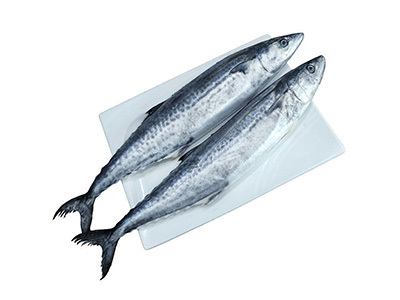
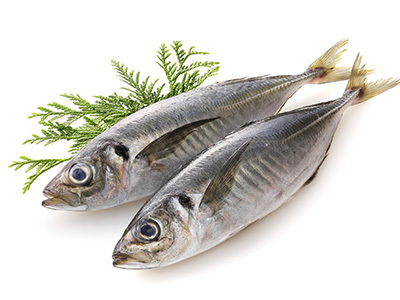
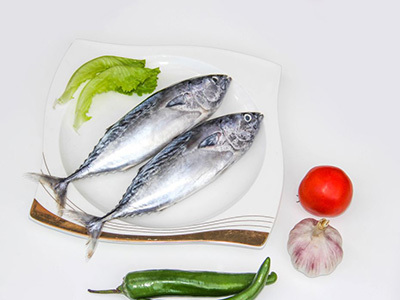
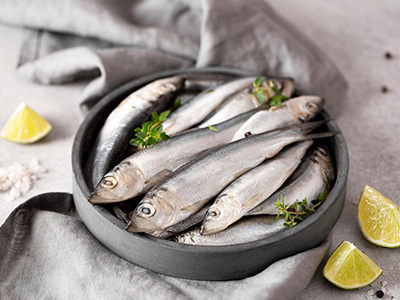
Frozen Bonito Fish: A Nutritious and Delicious Source of Lean Protein
Introduction to Frozen Bonito Fish: A Lean Protein Powerhouse Frozen bonito fish, often overshadowed by more popular seafood options, deserves a place in your kitchen due to its impressive nutritional profile and culinary versatility. Whether grilled, baked, or used in stews, frozen bonito fish offers a delicious way to boost your protein intake while providing essential nutrients that support ove
Oct 01,2025
Introduction to Frozen Bonito Fish: A Lean Protein Powerhouse
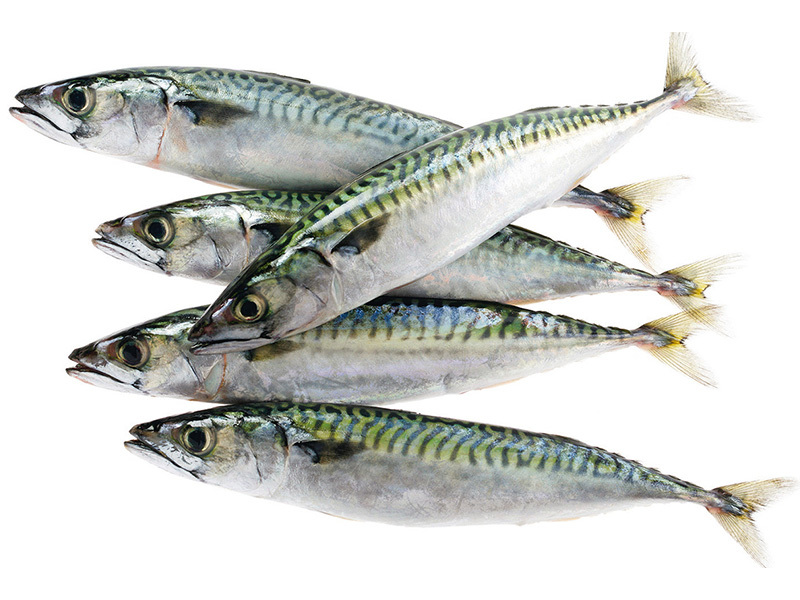
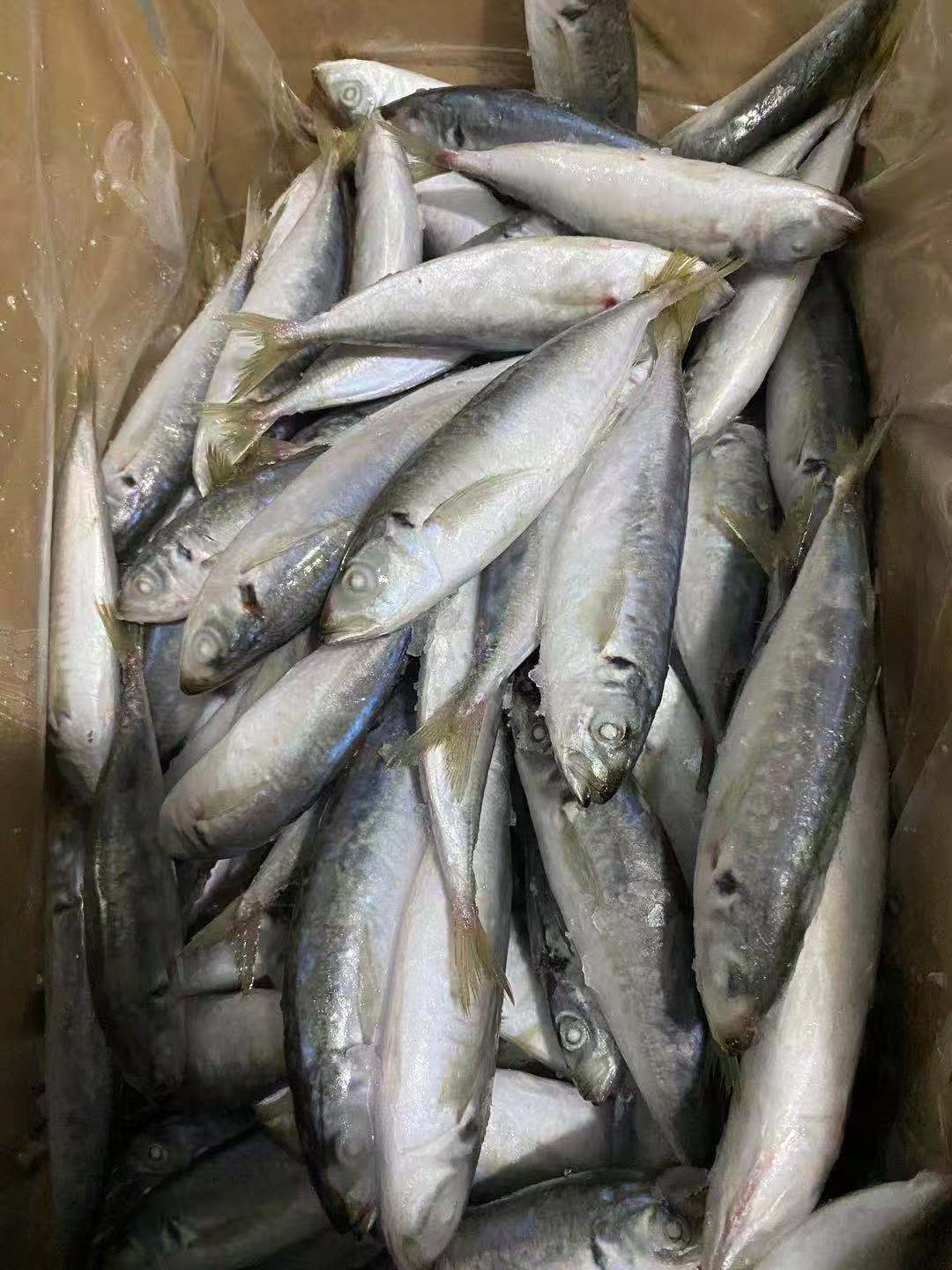
Frozen bonito fish, often overshadowed by more popular seafood options, deserves a place in your kitchen due to its impressive nutritional profile and culinary versatility. Whether grilled, baked, or used in stews, frozen bonito fish offers a delicious way to boost your protein intake while providing essential nutrients that support overall health. This article delves into the numerous benefits of frozen bonito fish, how to prepare it, and why you should consider adding it to your diet.
The Nutritional Profile of Frozen Bonito Fish
Rich in Lean Protein
Frozen bonito fish is an excellent source of lean protein, which is crucial for muscle development and repair, as well as for maintaining a healthy metabolism. A typical serving of cooked bonito fish contains around 24 grams of protein per 100 grams, making it an ideal choice for athletes and fitness enthusiasts looking to enhance their protein intake without excessive fats.
Low in Calories and Fats
One of the standout features of frozen bonito fish is its low-calorie content. With approximately 120 calories per 100 grams, it is an ideal food for those looking to manage their weight. Additionally, it contains minimal saturated fats, making it a heart-healthy option that fits well within a balanced diet.
Abundant in Essential Nutrients
Beyond protein, frozen bonito fish is packed with essential vitamins and minerals. It is particularly rich in B vitamins, such as B12 and niacin, which are vital for energy production and metabolic health. Moreover, it contains significant amounts of selenium and phosphorus, which play critical roles in bone health and antioxidant protection.
The Health Benefits of Incorporating Frozen Bonito Fish into Your Diet
Supports Heart Health
The omega-3 fatty acids found in frozen bonito fish contribute significantly to heart health. These essential fats help reduce inflammation, lower blood pressure, and improve overall cardiovascular function. Regular consumption of omega-3-rich foods can aid in the prevention of heart disease and stroke, making bonito fish a heart-friendly choice.
Boosts Immune Function
The selenium present in frozen bonito fish plays a vital role in enhancing immune function. Selenium acts as an antioxidant, protecting the body from oxidative stress and supporting the immune system's ability to fend off illness. Including bonito fish in your diet can contribute to a stronger immune response.
Improves Mental Health and Cognitive Function
Omega-3 fatty acids are also known to support brain health, helping to improve mood and cognitive function. Studies suggest that regular consumption of seafood, like bonito fish, may reduce the risk of depression and cognitive decline, making it a valuable dietary addition for mental wellness.
How to Prepare Frozen Bonito Fish
Defrosting Properly
To ensure the best flavor and texture, it is essential to defrost frozen bonito fish correctly. The best method is to transfer the fish from the freezer to the refrigerator and allow it to thaw overnight. If you need to defrost it more quickly, you can place the sealed fish in a bowl of cold water for about an hour. Avoid using hot water or microwave methods, as these can affect the quality of the fish.
Cooking Methods for Delicious Meals
Frozen bonito fish is incredibly versatile and can be prepared in various ways. Here are some popular cooking methods:
Grilling
Grilling frozen bonito fish is a fantastic way to enhance its natural flavors. Simply season the fish with salt, pepper, and your favorite herbs, then grill for about 4-5 minutes per side until cooked through.
Baking
Baking is another excellent method that allows for easy preparation and cleanup. Preheat your oven to 375°F (190°C), season the fish, and place it on a baking sheet. Bake for 15-20 minutes or until the fish is opaque and flakes easily with a fork.
Stir-Frying
For a quick and healthy dinner, consider stir-frying frozen bonito fish with vegetables. Slice the fish into bite-sized pieces, toss it in a hot pan with a mix of your favorite vegetables, and cook until the fish is done. Add soy sauce or a light sauce for extra flavor.
Frozen Bonito Fish in Global Cuisines
Japanese Cuisine
In Japan, bonito fish, known as "katsuobushi," is a crucial ingredient in many traditional dishes. It is often used to make dashi, a flavorful broth that serves as the base for soups and sauces. Additionally, bonito flakes are a common topping for rice dishes and salads.
Latin American Recipes
In Latin American countries, frozen bonito fish can be used in ceviche, a refreshing dish where the fish is marinated in citrus juices and combined with fresh vegetables. The acidity of the lime or lemon juice "cooks" the fish, resulting in a delicious and light meal.
Understanding Sustainability and Sourcing Frozen Bonito Fish
Choosing Sustainable Options
As consumers become more aware of the environmental impact of fishing, choosing sustainably sourced frozen bonito fish is essential. Look for certifications such as the Marine Stewardship Council (MSC) label, which indicates that the fish has been harvested responsibly, ensuring the health of fish populations and marine ecosystems.
Where to Buy Frozen Bonito Fish
You can find frozen bonito fish at most grocery stores and fish markets. Specialty Asian markets often carry high-quality frozen bonito, and online retailers also offer convenient purchasing options. Ensure that you select fish from reputable suppliers to guarantee freshness and sustainability.
Frozen Bonito Fish: FAQs
1. Is frozen bonito fish safe to eat?
Yes, frozen bonito fish is safe to eat when handled and cooked properly. Make sure to defrost it correctly and cook it to an internal temperature of at least 145°F (63°C).
2. How can I tell if frozen bonito fish is fresh?
Look for fish that is vacuum-sealed and free from any signs of freezer burn. The flesh should be firm and have a bright color.
3. Can I eat frozen bonito fish raw?
While it is technically possible to consume frozen bonito fish raw, it is recommended to use sushi-grade fish for safety. Always ensure proper freezing to kill any potential parasites.
4. How long does frozen bonito fish last in the freezer?
Frozen bonito fish can maintain its quality for up to six months when stored properly in a freezer. For the best flavor, try to consume it within three months.
5. What are some delicious side dishes to serve with frozen bonito fish?
Frozen bonito fish pairs well with a variety of side dishes, such as steamed vegetables, rice, or a fresh salad. Consider serving it with a citrus dressing or soy sauce for added flavor.
Conclusion
Incorporating frozen bonito fish into your diet is a simple yet effective way to boost your protein intake while enjoying a range of health benefits. With its low calorie and fat content, along with essential nutrients, this versatile seafood can enhance your meals and support your overall well-being. Whether you choose to grill, bake, or stir-fry, the culinary possibilities are endless. By opting for sustainably sourced frozen bonito fish, you not only nourish your body but also contribute to responsible fishing practices. Explore the delicious world of frozen bonito fish and make it a staple in your kitchen today.
TAG:




Contact Information
Address: No. 1 Haitu Road, Xiangzhi Town, Shishi City, Fujian Province
QR Code

Enterprise official website