No. 1 Haitu Road, Xiangzhi Town, Shishi City, Fujian Province China

Understanding Round Scad: A Comprehensive Guide for Seafood Professionals
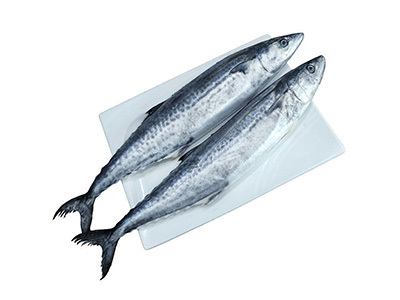
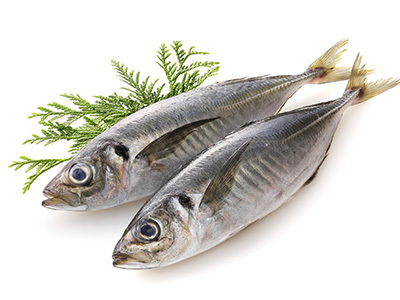
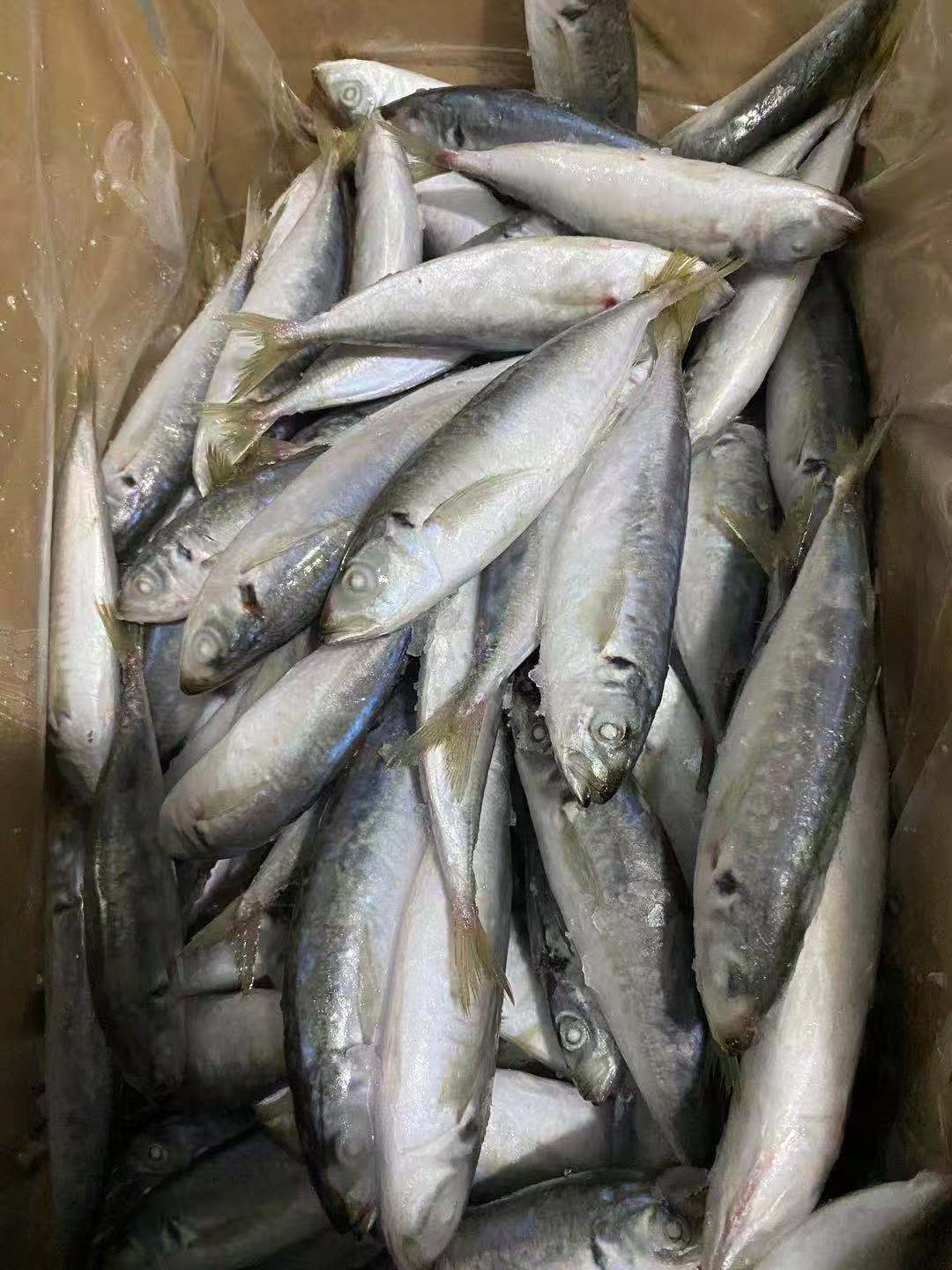
Round Scad, scientifically known as Decapterus spp., is a vital species within the realm of seafood, particularly noted for its role in various culinary traditions and its ecological importance. As a professional in the agricultural food industry, understanding Round Scad can enhance your knowledge of sustainable seafood practices and provide insights into consumer preferences. Primarily found in
Sep 30,2025
Round Scad, scientifically known as Decapterus spp., is a vital species within the realm of seafood, particularly noted for its role in various culinary traditions and its ecological importance. As a professional in the agricultural food industry, understanding Round Scad can enhance your knowledge of sustainable seafood practices and provide insights into consumer preferences.
Primarily found in tropical and subtropical waters, Round Scad is a schooling fish that thrives in both coastal and offshore environments. Its availability makes it an important catch for fisheries, contributing significantly to local economies. The fish is commonly caught using various methods, including purse seine, gillnets, and hook-and-line techniques. These methods can have varying impacts on the ecosystem, emphasizing the need for responsible fishing practices to ensure sustainability.
From a nutritional standpoint, Round Scad is rich in omega-3 fatty acids, proteins, and essential vitamins, making it a healthy option for consumers. Its versatility in the kitchen allows it to be prepared in numerous ways, including grilling, frying, and in soups. This adaptability not only enhances its marketability but also caters to diverse culinary preferences, which can be a selling point for businesses involved in seafood distribution.
When handling Round Scad, it is crucial for professionals to adhere to best practices in processing and storage. Proper techniques help maintain the quality and safety of the fish, ensuring it remains fresh from catch to consumer. This includes maintaining appropriate temperatures during storage and transportation, as well as implementing hygienic practices during processing to prevent contamination. Educating staff on these practices not only promotes food safety but also builds consumer trust in your brand.
Moreover, the demand for Round Scad is influenced by market trends and consumer awareness of seafood sustainability. As consumers become more conscious of the ecological impacts of their food choices, promoting Round Scad as a sustainably sourced option can be beneficial. Highlighting its environmental benefits and nutritional value can help businesses connect with eco-conscious consumers.
In conclusion, understanding Round Scad is essential for professionals in the agricultural food industry, particularly within the seafood sector. By recognizing its ecological significance, nutritional benefits, and the importance of sustainable fishing practices, you can better position your offerings in a competitive marketplace. Embracing these insights will not only enhance your expertise but also contribute to the overall health of the seafood industry and its consumers.
TAG:




Contact Information
Address: No. 1 Haitu Road, Xiangzhi Town, Shishi City, Fujian Province
QR Code

Enterprise official website