No. 1 Haitu Road, Xiangzhi Town, Shishi City, Fujian Province China

Todarodes Sagittatus: A Nutritional Powerhouse You Didn’t Know About
Todarodes Sagittatus: A Nutritional Powerhouse You Didn’t Know About In the vast and diverse world of seafood, Todarodes sagittatus, commonly known as the longfin inshore squid or European squid, stands out as a remarkable source of nutrition. This lesser-known marine delicacy is not just a favorite among culinary enthusiasts but also a powerhouse of essential nutrients and health benefits. In thi
Sep 03,2025
Todarodes Sagittatus: A Nutritional Powerhouse You Didn’t Know About
In the vast and diverse world of seafood, Todarodes sagittatus, commonly known as the longfin inshore squid or European squid, stands out as a remarkable source of nutrition. This lesser-known marine delicacy is not just a favorite among culinary enthusiasts but also a powerhouse of essential nutrients and health benefits. In this article, we will explore everything you need to know about Todarodes sagittatus, from its nutritional profile to its culinary applications and environmental implications.
Table of Contents
- What is Todarodes Sagittatus?
- Nutritional Benefits of Todarodes Sagittatus
- Culinary Uses of Todarodes Sagittatus
- Environmental Impact of Harvesting Todarodes Sagittatus
- Sustainability Initiatives in Squid Fishing
- Buying and Storing Todarodes Sagittatus
- Frequently Asked Questions
What is Todarodes Sagittatus?
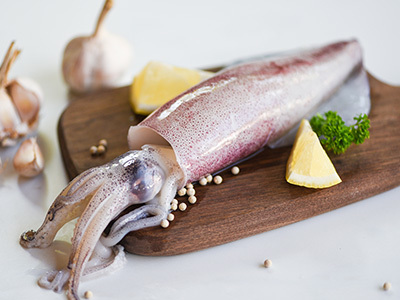
Todarodes sagittatus is a species of squid found predominantly in the northeastern Atlantic and the Mediterranean Sea. As a cephalopod, it belongs to a group of marine animals known for their intelligence, agility, and remarkable adaptability. This squid species thrives in various oceanic environments, including coastal waters and deeper seas. Its unique physical characteristics, such as a tapered body, long fins, and large eyes, contribute to its effectiveness as a predator in the marine food chain.
Nutritional Benefits of Todarodes Sagittatus
One of the most compelling reasons to incorporate Todarodes sagittatus into your diet is its impressive nutritional profile. This seafood is not only delicious but also offers numerous health benefits that make it a worthy addition to any meal plan.
Rich in Protein
Todarodes sagittatus is an excellent source of high-quality protein. With approximately 18-20 grams of protein per 100 grams, it is a fantastic option for those looking to increase their protein intake. This nutrient is essential for muscle repair, immune function, and overall bodily maintenance.
Vitamins and Minerals
This squid is packed with essential vitamins and minerals, including:
- Vitamin B12: Crucial for nerve function and the production of red blood cells.
- Iron: Necessary for oxygen transport in the blood.
- Magnesium: Important for muscle function and energy production.
- Potassium: Helps regulate blood pressure and fluid balance.
Omega-3 Fatty Acids
Todarodes sagittatus is also rich in omega-3 fatty acids, which are known to support heart health, reduce inflammation, and promote brain function. Regular consumption of omega-3-rich foods is associated with a lower risk of chronic diseases and improved overall health.
Culinary Uses of Todarodes Sagittatus
In the culinary world, Todarodes sagittatus is a versatile ingredient that can be prepared in numerous ways, making it a favorite among chefs and home cooks alike. Its mild flavor and tender texture allow it to pair well with various ingredients and cooking styles.
Popular Cooking Methods
There are several popular cooking methods for Todarodes sagittatus, including:
- Grilling: Gives a smoky flavor and a slightly charred texture.
- Sautéing: Quickly cooks the squid while retaining its tenderness.
- Frying: Creates a crispy exterior, perfect for dishes like calamari.
- Stewing: Infuses flavor into the squid, making for a hearty seafood dish.
Recipe Ideas for Todarodes Sagittatus
Here are some delectable recipe ideas featuring Todarodes sagittatus:
- Grilled Squid Salad: Toss grilled squid with mixed greens, cherry tomatoes, and a light vinaigrette for a refreshing salad.
- Stuffed Squid: Fill cleaned squid with a mixture of rice, herbs, and spices before baking.
- Calamari Fritti: Coat squid rings in seasoned flour and fry until golden brown, serving with a side of marinara sauce.
- Squid Ink Pasta: Create a unique pasta dish using squid ink for a rich, bold flavor.
Environmental Impact of Harvesting Todarodes Sagittatus
As with many seafood products, the harvesting of Todarodes sagittatus raises important questions regarding environmental sustainability. Overfishing and habitat destruction can have detrimental effects on marine ecosystems, making sustainable practices essential.
Sustainability Initiatives in Squid Fishing
To combat these issues, various sustainability initiatives are in place to ensure responsible fishing practices for Todarodes sagittatus:
- Quotas: Regulatory bodies set catch limits to prevent overfishing.
- Eco-certification: Organizations like the Marine Stewardship Council (MSC) certify sustainable fisheries.
- Bycatch Reduction: New fishing technologies minimize bycatch and protect other marine species.
Buying and Storing Todarodes Sagittatus
When purchasing Todarodes sagittatus, consider the following tips to ensure freshness and quality:
- Freshness: Look for squid with firm flesh, a mild odor, and clear eyes.
- Storage: Keep fresh squid in the refrigerator and consume within 1-2 days. For longer storage, freeze it in an airtight container.
Frequently Asked Questions
1. Is Todarodes sagittatus safe to eat?
Yes, when cooked properly, Todarodes sagittatus is safe to eat and offers numerous health benefits.
2. How should I prepare Todarodes sagittatus?
You can grill, sauté, fry, or stew Todarodes sagittatus, depending on your preferred cooking style.
3. Where can I buy Todarodes sagittatus?
Look for Todarodes sagittatus at local seafood markets or grocery stores with a fresh seafood section.
4. Can I eat Todarodes sagittatus if I'm allergic to other seafood?
If you have seafood allergies, consult your healthcare provider before trying Todarodes sagittatus.
5. What are some common dishes made with Todarodes sagittatus?
Common dishes include grilled squid salads, stuffed squid, calamari fritti, and squid ink pasta.
Conclusion
Todarodes sagittatus is indeed a nutritional powerhouse that deserves a place on your plate. With its rich protein content, valuable vitamins and minerals, and omega-3 fatty acids, it not only supports a healthy diet but also offers immense culinary versatility. By choosing sustainable sources and exploring diverse recipes, you can enjoy this delightful marine delicacy while contributing to the health of our oceans. Embrace the flavors and benefits of Todarodes sagittatus and elevate your seafood experience to new heights!




Contact Information
Address: No. 1 Haitu Road, Xiangzhi Town, Shishi City, Fujian Province
QR Code

Enterprise official website