No. 1 Haitu Road, Xiangzhi Town, Shishi City, Fujian Province China

Understanding Frozen Pacific Mackerel: Nutritional Benefits and Storage Tips
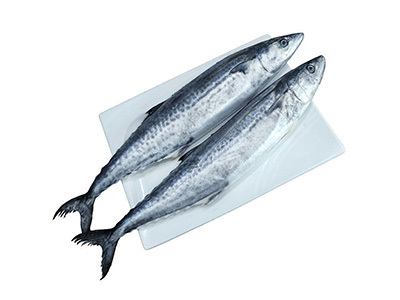
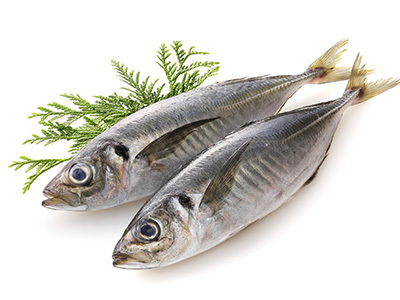
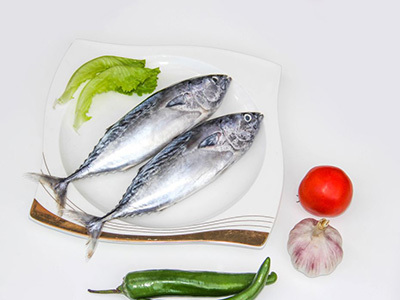
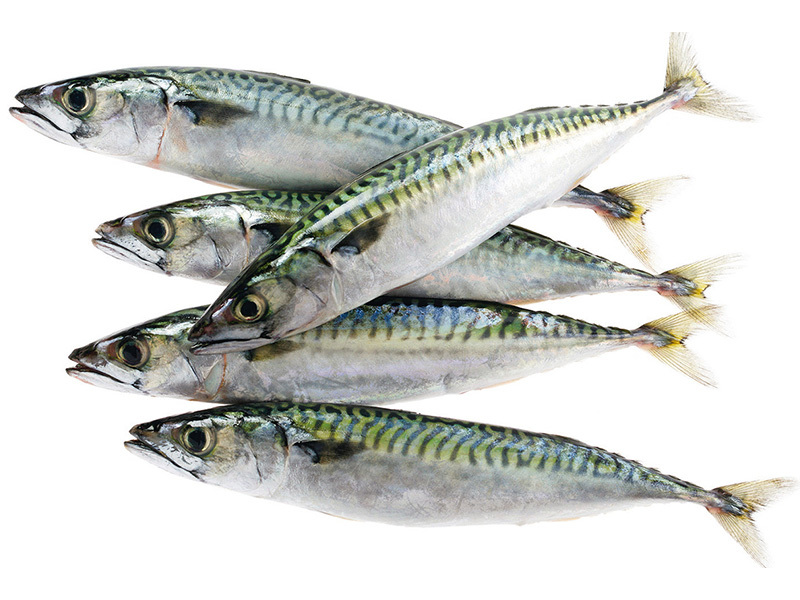
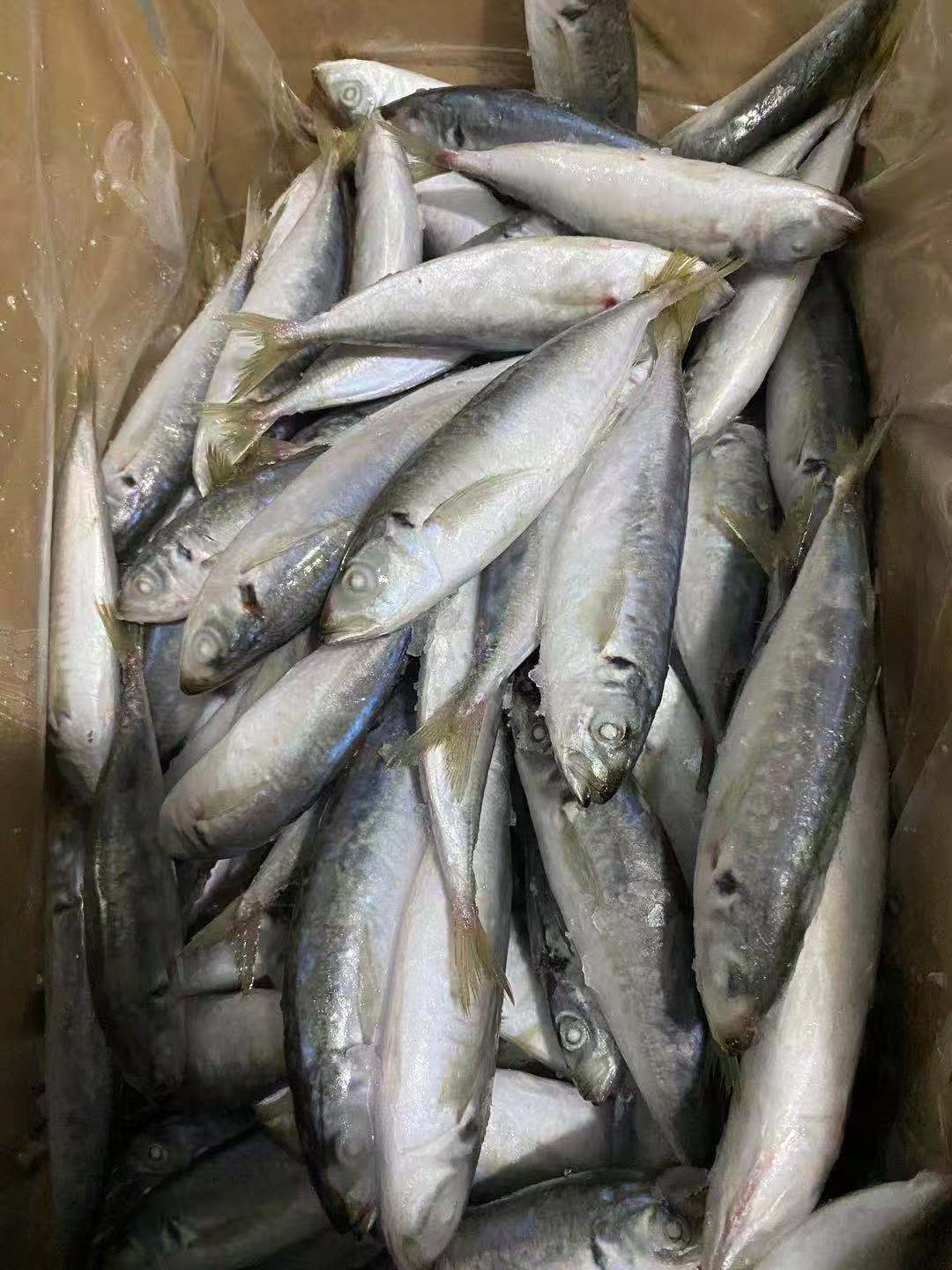
Frozen Pacific Mackerel is a highly valued product in the seafood industry, known for its rich flavor and numerous health benefits. This species of mackerel is abundant in the Pacific Ocean, making it a sustainable choice for consumers and businesses alike. As a fatty fish, Frozen Pacific Mackerel is an excellent source of Omega-3 fatty acids, which are essential for heart health and cognitive fun
Sep 02,2025
In terms of nutritional content, Frozen Pacific Mackerel is not only rich in Omega-3 fatty acids but also provides a substantial amount of protein, vitamins, and minerals. A typical serving can offer a significant percentage of the recommended daily intake of Vitamin D and B12, both of which are crucial for maintaining energy levels and supporting the immune system. Additionally, the fish is low in carbohydrates, making it an excellent option for those following low-carb or ketogenic diets.
When it comes to storing Frozen Pacific Mackerel, proper handling is key to maintaining its quality and nutritional value. Ideally, it should be kept at a consistent temperature of -18°C (0°F) or lower. This temperature prevents the growth of bacteria and ensures that the fish retains its flavor and texture. Upon purchase, it's recommended to keep the fish in its original packaging until ready to use. If the packaging is damaged, transferring the fish to an airtight container can help prevent freezer burn and preserve its quality.
Thawing Frozen Pacific Mackerel should be done gradually to maintain its texture. The best method is to transfer it from the freezer to the refrigerator and allow it to thaw overnight. For quicker thawing, placing it in a sealed plastic bag and submerging it in cold water for about an hour can also be effective. It is important to never thaw fish at room temperature, as this can increase the risk of bacterial growth.
In conclusion, Frozen Pacific Mackerel is a nutritious and versatile seafood option that can enhance a variety of dishes. Its rich flavor combined with health benefits makes it an attractive choice for health-conscious consumers. Proper storage and preparation techniques are essential to ensure the best quality and safety, making it a staple worth incorporating into your culinary repertoire. By understanding the characteristics of Frozen Pacific Mackerel, professionals in the agricultural food sector can better educate their clients and promote healthy eating habits.




Contact Information
Address: No. 1 Haitu Road, Xiangzhi Town, Shishi City, Fujian Province
QR Code

Enterprise official website