No. 1 Haitu Road, Xiangzhi Town, Shishi City, Fujian Province China

Unlocking the Delicacies of Frozen Bonito Fish: A Culinary Guide
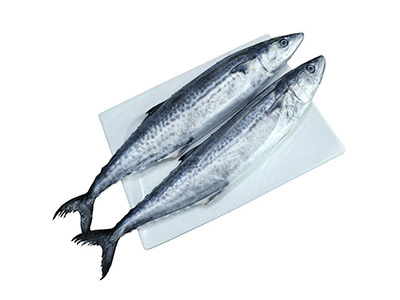
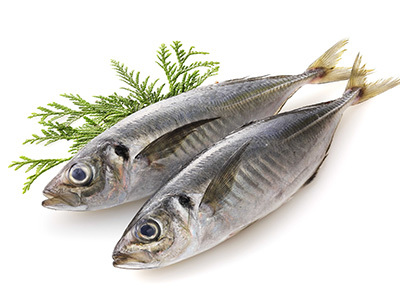
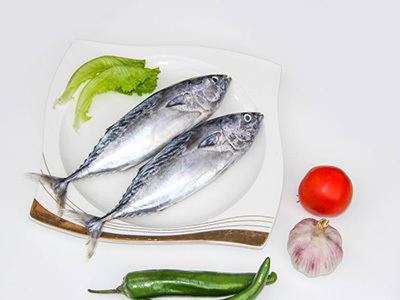
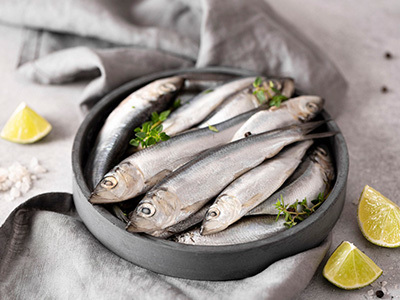
Frozen bonito fish, a popular choice among seafood lovers, is known for its rich flavor and versatility in various culinary applications. As an important component of the agricultural food sector, this fish offers numerous benefits that appeal to both chefs and consumers. Understanding these aspects can enhance your culinary creations and optimize your sourcing strategies. Bonito, a member of the
Jul 23,2026
Frozen bonito fish, a popular choice among seafood lovers, is known for its rich flavor and versatility in various culinary applications. As an important component of the agricultural food sector, this fish offers numerous benefits that appeal to both chefs and consumers. Understanding these aspects can enhance your culinary creations and optimize your sourcing strategies.
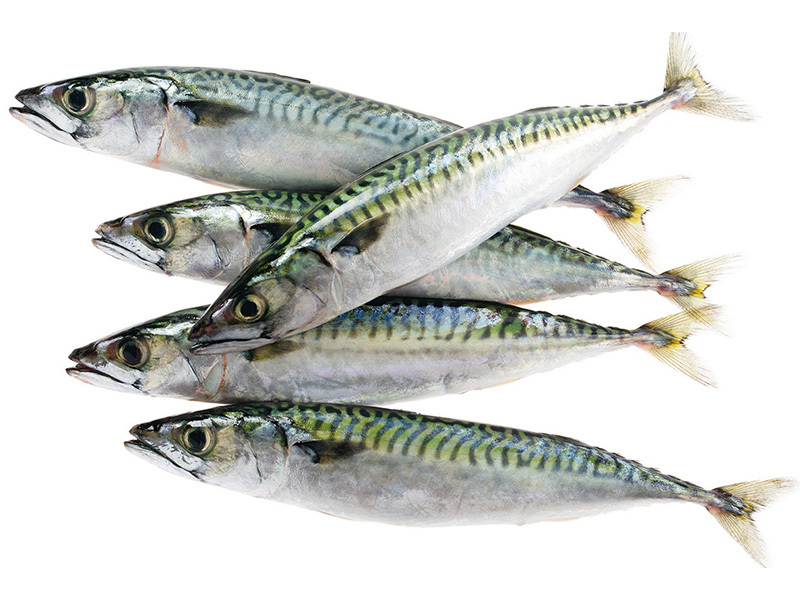
Bonito, a member of the mackerel family, is often used in sushi, sashimi, or grilled dishes. When frozen, it retains its nutritional integrity, allowing for year-round availability. Rich in omega-3 fatty acids, protein, and essential vitamins, frozen bonito fish is not only flavorful but also contributes to a balanced diet. Incorporating this fish into your menu can attract health-conscious diners looking for nutritious options.
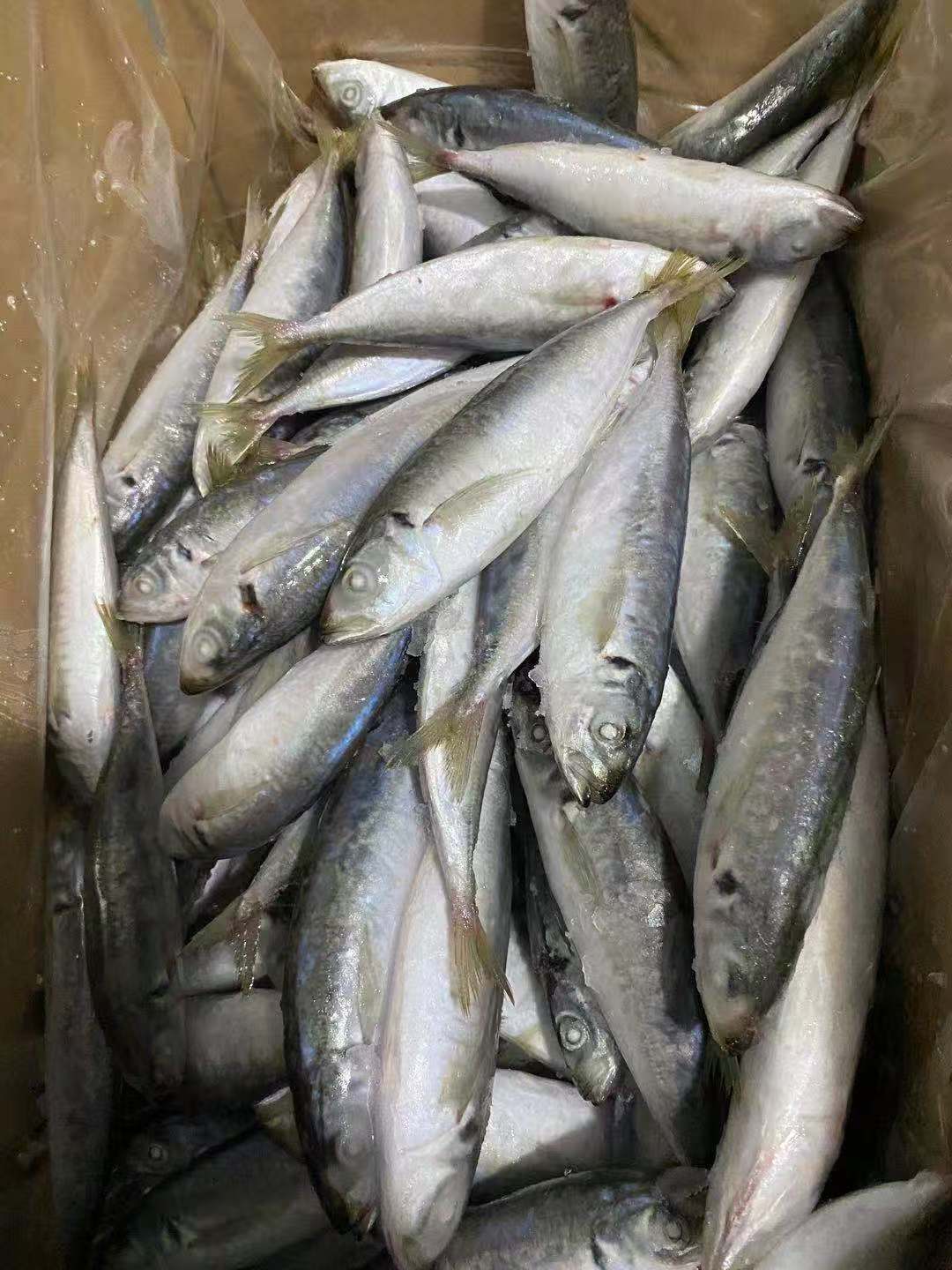
When selecting frozen bonito fish, consider sourcing from reputable suppliers who maintain high standards of quality and sustainability. Look for fish that is bright in color and free from any off-putting odors. Proper packaging is essential; ensure that the fish is vacuum-sealed or properly wrapped to avoid freezer burn and maintain freshness.
Cooking frozen bonito fish can be a delightful experience. One of the most popular methods is grilling, which enhances its natural flavors. To grill, thaw the fish overnight in the refrigerator, then marinate briefly in a mixture of soy sauce, garlic, and ginger for an umami kick. Alternatively, for a quick preparation, lightly season the thawed fish with salt and pepper before placing it on a hot grill for several minutes on each side until cooked through.
Another popular cooking method is searing, which creates a crispy outer layer while keeping the inside tender and juicy. A hot cast-iron skillet works well for this technique. Sear the fish for a few minutes on each side, and serve it over a bed of sautéed vegetables or alongside a refreshing salad.
For storage, frozen bonito fish should be kept at a consistent temperature of 0°F (-18°C) or below. Once thawed, it is advisable to consume the fish within 1-2 days for optimal freshness. Avoid refreezing thawed fish, as this can compromise its texture and flavor.
In conclusion, frozen bonito fish is a versatile and nutritious ingredient that can elevate your culinary offerings. With proper selection, preparation, and storage techniques, you can unlock its full potential in your cooking. Incorporate this delectable fish into your dishes to delight your customers and enhance their dining experience.
Bonito, a member of the mackerel family, is often used in sushi, sashimi, or grilled dishes. When frozen, it retains its nutritional integrity, allowing for year-round availability. Rich in omega-3 fatty acids, protein, and essential vitamins, frozen bonito fish is not only flavorful but also contributes to a balanced diet. Incorporating this fish into your menu can attract health-conscious diners looking for nutritious options.
When selecting frozen bonito fish, consider sourcing from reputable suppliers who maintain high standards of quality and sustainability. Look for fish that is bright in color and free from any off-putting odors. Proper packaging is essential; ensure that the fish is vacuum-sealed or properly wrapped to avoid freezer burn and maintain freshness.
Cooking frozen bonito fish can be a delightful experience. One of the most popular methods is grilling, which enhances its natural flavors. To grill, thaw the fish overnight in the refrigerator, then marinate briefly in a mixture of soy sauce, garlic, and ginger for an umami kick. Alternatively, for a quick preparation, lightly season the thawed fish with salt and pepper before placing it on a hot grill for several minutes on each side until cooked through.
Another popular cooking method is searing, which creates a crispy outer layer while keeping the inside tender and juicy. A hot cast-iron skillet works well for this technique. Sear the fish for a few minutes on each side, and serve it over a bed of sautéed vegetables or alongside a refreshing salad.
For storage, frozen bonito fish should be kept at a consistent temperature of 0°F (-18°C) or below. Once thawed, it is advisable to consume the fish within 1-2 days for optimal freshness. Avoid refreezing thawed fish, as this can compromise its texture and flavor.
In conclusion, frozen bonito fish is a versatile and nutritious ingredient that can elevate your culinary offerings. With proper selection, preparation, and storage techniques, you can unlock its full potential in your cooking. Incorporate this delectable fish into your dishes to delight your customers and enhance their dining experience.
TAG:




Contact Information
Address: No. 1 Haitu Road, Xiangzhi Town, Shishi City, Fujian Province
QR Code

Enterprise official website