No. 1 Haitu Road, Xiangzhi Town, Shishi City, Fujian Province China

Why Chefs Are Choosing Squid Flower for Their Menus: A Culinary Revolution
Why Chefs Are Choosing Squid Flower for Their Menus Table of Contents Introduction to Squid Flower What is Squid Flower? Nutritional Benefits of Squid Flower Culinary Uses of Squid Flower How to Prepare Squid Flower Chef Spotlight: Innovative Dishes Featuring Squid Flower Squid Flower vs. Traditional Seafood Choices The Environmental Impact of Squid Flower Harvesting Conclusion
Jul 02,2026
Why Chefs Are Choosing Squid Flower for Their Menus
Table of Contents
- Introduction to Squid Flower
- What is Squid Flower?
- Nutritional Benefits of Squid Flower
- Culinary Uses of Squid Flower
- How to Prepare Squid Flower
- Chef Spotlight: Innovative Dishes Featuring Squid Flower
- Squid Flower vs. Traditional Seafood Choices
- The Environmental Impact of Squid Flower Harvesting
- Conclusion
- FAQs
Introduction to Squid Flower
In recent years, culinary trends have seen a surge in unique and innovative ingredients, with **squid flower** emerging as a standout option on menus worldwide. This remarkable seafood ingredient is not only visually striking but also offers a plethora of flavors and textures that chefs are eager to explore. By incorporating squid flower into their dishes, chefs are pushing the boundaries of traditional seafood cuisine, inviting diners to experience an exciting new frontier.
What is Squid Flower?
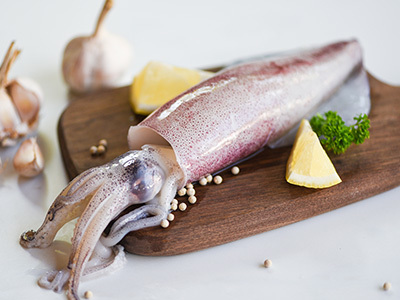
Squid flower, scientifically known as *Discosoma spp.*, is a unique product derived from the genus of marine animals commonly referred to as "squid." Unlike conventional squid, the flower is formed during the reproductive cycle of the squid, resulting in a flower-like structure. This structure boasts a delicate texture and a striking appearance, often likened to an underwater blossom. With its mild flavor, squid flower can absorb spices and sauces, making it a versatile addition to various dishes.
Nutritional Benefits of Squid Flower
One of the reasons for the growing popularity of squid flower among chefs is its impressive nutritional profile. Rich in essential nutrients, squid flower provides numerous health benefits, including:
High Protein Content
Squid flower is an excellent source of **lean protein**, making it a fantastic option for health-conscious diners. Protein is vital for muscle repair, immune function, and overall wellbeing.
Omega-3 Fatty Acids
Similar to other seafood, squid flower is rich in **Omega-3 fatty acids**, which are known to support heart health and reduce inflammation. These essential fats are crucial for cognitive function and overall health.
Low in Calories
For those watching their caloric intake, squid flower is a low-calorie option that can be enjoyed without guilt. It provides a satisfying meal component that allows for indulgence without compromising dietary goals.
Culinary Uses of Squid Flower
Chefs across the globe are embracing squid flower for its versatility in a variety of dishes. Here are some popular culinary uses:
Grilled Dishes
Grilling squid flower enhances its natural flavors while adding a smoky depth. Chefs marinate the flower in citrus juices and spices before grilling to create a delectable appetizer or main course.
Soups and Stews
Incorporating squid flower into soups and stews adds a unique texture and flavor. Chefs often utilize it in seafood bisques or rich broth-based dishes, allowing it to absorb the surrounding flavors.
Salads and Cold Dishes
Chefs experiment with squid flower in salads, pairing it with fresh vegetables and zesty dressings. Its delicate texture contrasts beautifully with crunchy greens, making it a standout in cold dishes.
Pasta and Risotto
Squid flower can be incorporated into pasta sauces and risottos, providing an unexpected twist to classic recipes. The flower’s ability to soak up flavors makes it an ideal ingredient for creamy or tomato-based dishes.
How to Prepare Squid Flower
Preparing squid flower is an art that requires attention to detail. Here are some key steps for chefs and home cooks alike:
Cleaning the Squid Flower
Before cooking, it’s essential to clean the squid flower properly. Gentle rinsing under cold water removes any impurities. Care should be taken to avoid tearing the delicate structure.
Cooking Techniques
Squid flower can be cooked using various techniques, including grilling, steaming, and frying. Each method brings out different flavors and textures, allowing for creative culinary expression.
Pairing Flavors
When preparing squid flower, consider pairing it with complementary flavors. Citrus, herbs, and spices can elevate its taste, making it a truly memorable dish.
Chef Spotlight: Innovative Dishes Featuring Squid Flower
To illustrate the culinary potential of squid flower, we highlight some innovative dishes created by renowned chefs:
Chef Maria Gonzalez’s Grilled Squid Flower Tacos
Chef Maria Gonzalez has gained acclaim for her grilled squid flower tacos. By marinating the flower in a blend of lime juice, garlic, and spices, she creates a refreshing and bold flavor profile that has won over diners.
Chef James Lee’s Seafood Risotto with Squid Flower
In his signature seafood risotto, Chef James Lee incorporates squid flower to add a distinctive texture. The flower absorbs the creamy sauce, providing a unique twist to this traditional Italian dish.
Squid Flower vs. Traditional Seafood Choices
As chefs explore new ingredients, they often compare them to traditional seafood options. Here’s how squid flower stacks up:
Flavor Profile
Unlike many traditional seafood options, squid flower offers a **mild** and adaptable flavor profile, allowing it to take on various seasoning and sauces. This flexibility makes it an exciting option for diverse culinary creations.
Texture Comparison
Squid flower's unique texture sets it apart from other seafood. Its delicate, flower-like structure provides a **satisfying bite**, making it a preferred option for many chefs seeking to enhance their dishes.
The Environmental Impact of Squid Flower Harvesting
In today's culinary landscape, chefs are increasingly conscious of the ingredients they use and their environmental impact. Harvesting squid flower can be sustainable when done responsibly. Sustainable fishing practices ensure that the squid populations remain healthy, preserving marine ecosystems for future generations.
Conclusion
The rise of squid flower on culinary menus speaks volumes about the evolving landscape of modern cuisine. Its unique flavors, versatility, and nutritional benefits make it a favored choice among chefs looking to innovate and excite diners. As more chefs embrace this ingredient, we can expect to see squid flower becoming a staple in kitchens worldwide. By choosing squid flower, culinary professionals not only enhance their dishes but also contribute to a sustainable seafood future.
FAQs
1. What is squid flower?
Squid flower is a unique seafood product derived from the reproductive structures of squid, featuring a delicate texture and flavor that absorbs various spices and sauces.
2. How is squid flower prepared?
Squid flower can be cleaned and cooked through various methods, including grilling, steaming, and frying, to create flavorful dishes.
3. What are the nutritional benefits of squid flower?
Squid flower is high in protein, rich in Omega-3 fatty acids, and low in calories, making it a healthy addition to meals.
4. How does squid flower compare to traditional seafood?
Squid flower offers a mild flavor and unique texture that sets it apart from traditional seafood, allowing for diverse culinary applications.
5. Is squid flower environmentally sustainable?
When harvested responsibly, squid flower can be a sustainable seafood option, contributing to healthy marine ecosystems.
TAG:




Contact Information
Address: No. 1 Haitu Road, Xiangzhi Town, Shishi City, Fujian Province
QR Code

Enterprise official website