No. 1 Haitu Road, Xiangzhi Town, Shishi City, Fujian Province China

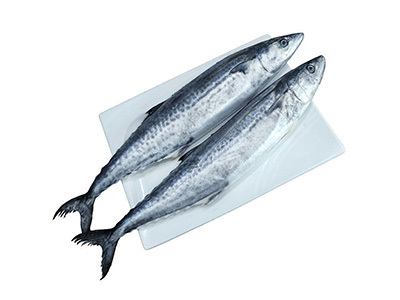
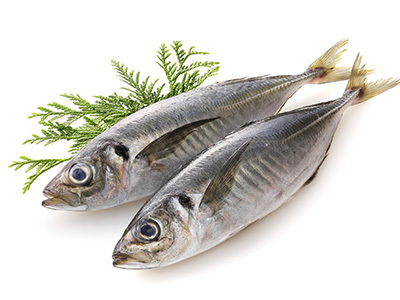
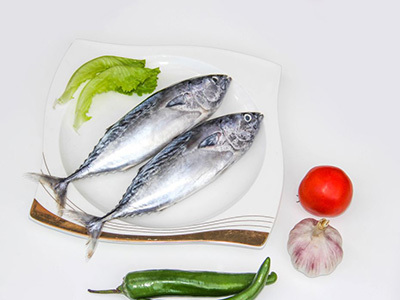
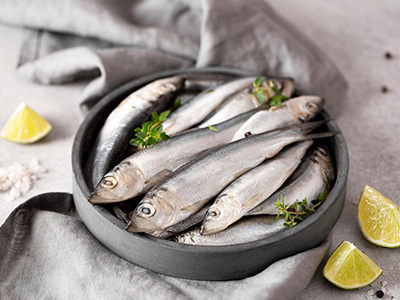
How to Store Frozen Bonito Fish for Maximum Freshness: A Comprehensive Guide
How to Store Frozen Bonito Fish for Maximum Freshness Storing frozen bonito fish properly is crucial to preserving its flavor and nutritional value. Bonito, a member of the mackerel family, is prized for its rich taste and versatility in various dishes. This article will cover everything you need to know about storing frozen bonito fish, ensuring you enjoy its peak freshness whenever you're ready
May 14,2026
How to Store Frozen Bonito Fish for Maximum Freshness
Storing frozen bonito fish properly is crucial to preserving its flavor and nutritional value. Bonito, a member of the mackerel family, is prized for its rich taste and versatility in various dishes. This article will cover everything you need to know about storing frozen bonito fish, ensuring you enjoy its peak freshness whenever you're ready to cook.
Understanding Bonito Fish and Its Nutritional Benefits
Bonito fish is not only delicious but also packed with nutrients. Rich in omega-3 fatty acids, protein, and vitamins, it supports heart health and offers numerous other benefits. Understanding its nutritional profile can help you appreciate why proper storage is essential.
The Nutritional Profile of Bonito Fish
- **High in Protein:** Bonito contains about 25 grams of protein per 100 grams, making it an excellent option for those looking to increase their protein intake.
- **Omega-3 Fatty Acids:** These healthy fats support brain health and reduce inflammation.
- **Vitamins and Minerals:** Bonito is rich in B vitamins, selenium, and magnesium, all contributing to overall well-being.
Preparing Bonito Fish for Freezing
Before freezing, it’s essential to prepare your bonito fish correctly. Proper preparation helps maintain its freshness and flavor during storage.
Cleaning and Filleting Bonito Fish
1. **Thaw the Fish:** If your bonito is frozen, thaw it in the refrigerator for several hours or overnight. Avoid thawing at room temperature to prevent bacterial growth.
2. **Clean Thoroughly:** Rinse the fish under cold water to remove any surface contaminants.
3. **Fillet the Fish:** Use a sharp knife to remove the head and tail, then fillet the fish, ensuring you cut close to the bones for maximum yield.
Portioning for Convenience
Cut the bonito into portion-sized pieces before freezing. This makes it easier to defrost only what you need, reducing waste.
Best Practices for Freezing Bonito Fish
Freezing is the best way to preserve the freshness of bonito fish. Here are some best practices to follow.
Choosing the Right Packaging Materials
- **Vacuum Sealing:** This method removes air from the packaging, preventing freezer burn and preserving flavor. Invest in a quality vacuum sealer for best results.
- **Freezer Bags:** If vacuum sealing isn’t an option, use high-quality freezer bags. Squeeze out as much air as possible before sealing.
- **Plastic Wrap:** Wrap individual portions in plastic wrap before placing them in a freezer bag for additional protection.
Labeling and Dating Packages
Always label your packages with the date of freezing. This helps you keep track of freshness and ensures you use older fish first.
Storing Frozen Bonito Fish: The Ideal Conditions
Proper storage conditions can make a significant difference in maintaining the quality of your frozen bonito fish.
Optimal Freezing Temperatures
Set your freezer to a temperature of 0°F (-18°C) or lower. This ensures that the fish remains frozen solid, preventing ice crystal formation that can affect texture and flavor.
Organizing Your Freezer
Keep your frozen bonito fish at the back of the freezer, where temperatures are most stable. Avoid frequent opening of the freezer door, as this can cause temperature fluctuations.
Thawing Frozen Bonito Fish Safely
Proper thawing techniques are just as important as proper freezing. Thawing fish safely helps to prevent bacterial growth, maintaining both safety and quality.
The Best Thawing Methods
1. **Refrigerator Thawing:** Plan ahead by transferring the frozen fish to the refrigerator. This method takes several hours or overnight but is the safest.
2. **Cold Water Thawing:** For quicker thawing, place the sealed fish in a bowl of cold water, changing the water every 30 minutes. This method should take about an hour for small portions.
3. **Microwave Thawing:** If in a hurry, use the microwave on the defrost setting, but be cautious, as this can partly cook the fish.
Cooking Frozen Bonito Fish: Tips for Best Results
Cooking frozen bonito fish can yield delicious results if done correctly. Here are some tips to ensure a flavorful dish.
Grilling and Broiling
Grilling or broiling is an excellent way to cook bonito fish, as it enhances its natural flavors. Use a marinade or seasoning to complement its taste.
Pan-Seared Bonito
Pan-searing is another fantastic cooking method. Preheat your pan and add oil before placing the fish in. Sear for a few minutes on each side until cooked through.
Common Mistakes to Avoid When Storing Bonito Fish
While storing bonito fish may seem straightforward, several common mistakes can lead to poor quality.
Overlooking Air Exposure
Air exposure is one of the leading causes of freezer burn. Always ensure that your packaging is airtight to maintain freshness.
Ignoring Storage Timeframes
Frozen bonito fish is best consumed within three months for optimal freshness. While it may remain safe to eat beyond that, quality can diminish.
Frequently Asked Questions (FAQs)
1. How long can I store frozen bonito fish?
You can store frozen bonito fish for up to three months for the best flavor and texture. After that, it can still be safe to eat but may lose quality.
2. Can I refreeze thawed bonito fish?
It is not recommended to refreeze thawed fish, as this can degrade its quality. If you've thawed it, try to cook and consume it within two days.
3. What’s the best way to tell if frozen bonito fish has gone bad?
Look for signs like off-putting odors, discoloration, or freezer burn. If it smells strange or has an unusual texture, it’s best to discard it.
4. Can I freeze cooked bonito fish?
Yes, you can freeze cooked bonito fish. However, make sure it is cooled completely and stored in a suitable airtight container or freezer bag.
5. What dishes can I make with bonito fish?
Bonito fish is versatile and can be used in various dishes such as grilled fillets, sushi, sashimi, or stews. Its rich flavor pairs well with various ingredients.
Conclusion
Storing frozen bonito fish properly is vital for maintaining its freshness, flavor, and nutritional benefits. By following the techniques outlined in this guide—from preparation to cooking— you can ensure that your bonito fish remains a delightful and healthy addition to your meals. Embrace these best practices, and enjoy the rich taste and health benefits of this remarkable fish for many meals to come.
PREVIOUS:




Contact Information
Address: No. 1 Haitu Road, Xiangzhi Town, Shishi City, Fujian Province
QR Code

Enterprise official website