No. 1 Haitu Road, Xiangzhi Town, Shishi City, Fujian Province China



The Environmental Impact of Round Scad Fishing Practices: A Comprehensive Exploration
The Environmental Impact of Round Scad Fishing Practices Introduction to Round Scad Fishing Round scad, widely known for its culinary versatility, plays a vital role in the fisheries industry. This species, found in tropical and subtropical waters, has significant economic importance in various regions, particularly in Southeast Asia. While the demand for round scad continues to rise, it is es
Feb 16,2026
The Environmental Impact of Round Scad Fishing Practices
Introduction to Round Scad Fishing
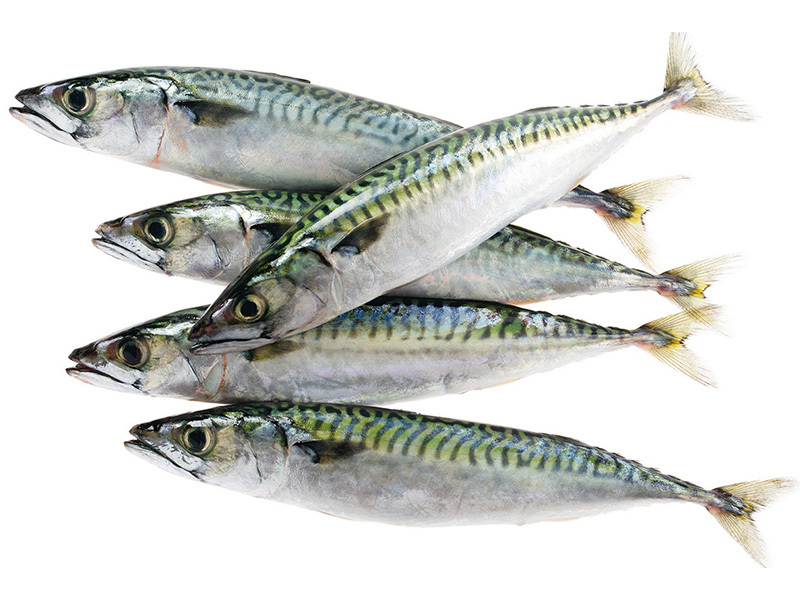
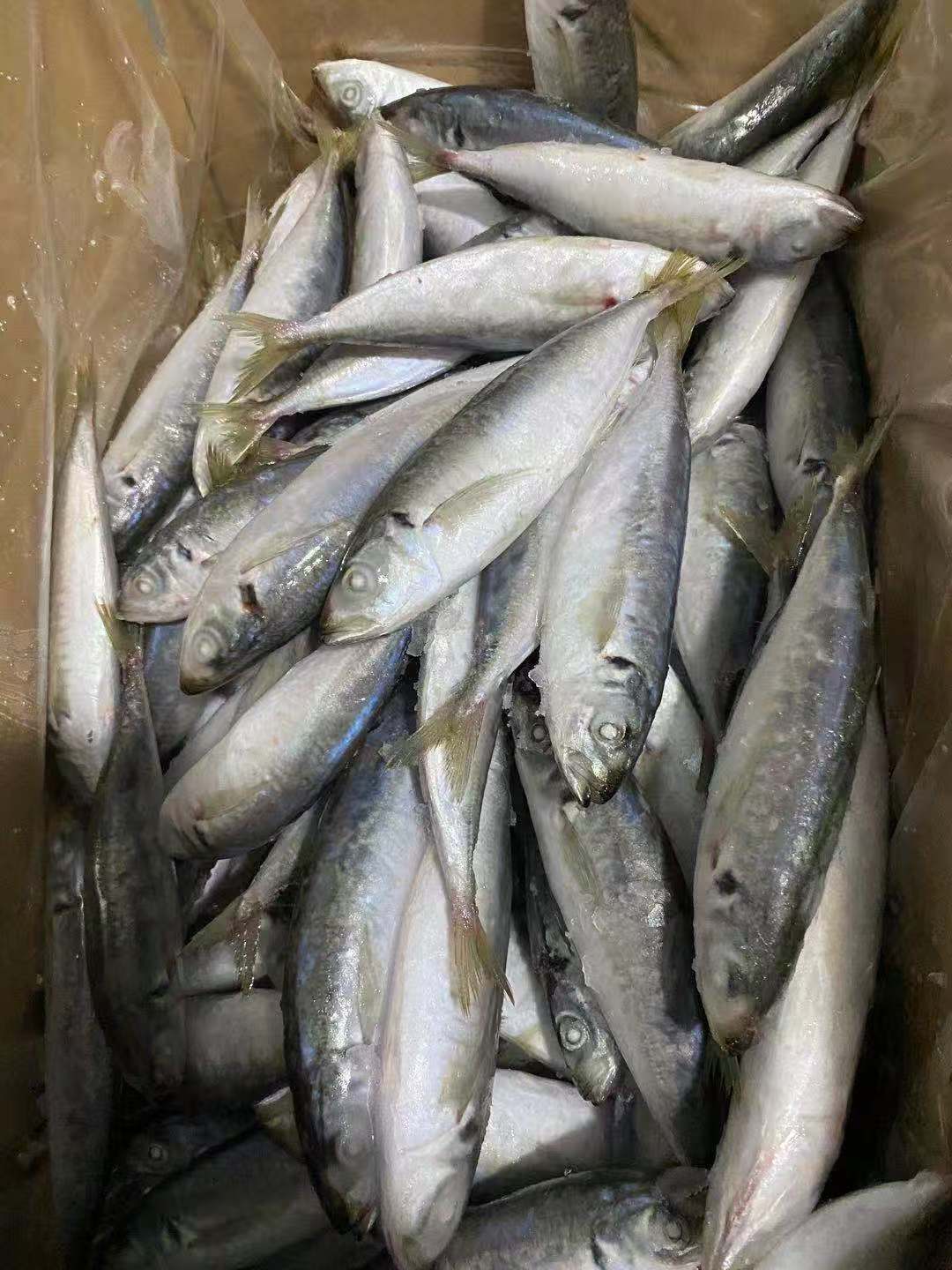
Round scad, widely known for its culinary versatility, plays a vital role in the fisheries industry. This species, found in tropical and subtropical waters, has significant economic importance in various regions, particularly in Southeast Asia. While the demand for round scad continues to rise, it is essential to examine the environmental implications of its fishing practices.
Understanding Round Scad: Biological and Ecological Significance
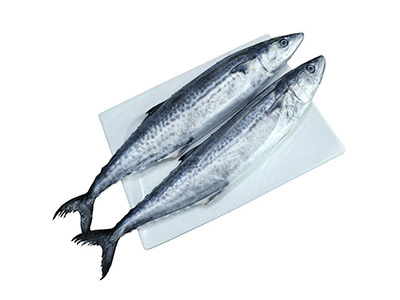
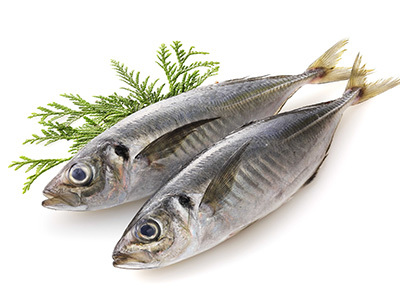
Round scad (Decapterus spp.) are small, schooling fish that serve as a crucial food source for larger marine species, including predatory fish, seabirds, and marine mammals. Their ecological role helps maintain marine biodiversity, contributing to healthy aquatic ecosystems. Moreover, they support local fishing communities, providing sustenance and income.
Life Cycle of Round Scad
The life cycle of round scad is characterized by rapid growth and early maturity, typically around one year. Understanding their reproductive patterns is vital for sustainable management. Round scad spawn in coastal waters, making them vulnerable to overfishing, especially during peak breeding seasons.
The Methods of Round Scad Fishing
Round scad is primarily caught using various fishing methods, each with distinct environmental impacts. Common techniques include:
1. Purse Seining
Purse seining involves encircling schools of fish with a large net. While this method can efficiently catch large quantities of round scad, it may unintentionally capture non-target species, leading to bycatch and disrupting marine ecosystems.
2. Gillnetting
Gillnets, which entangle fish by their gills, are another common method. Though they are less disruptive than purse seines, gillnets can still pose risks to other marine organisms, including endangered species, bycatch, and habitat damage.
3. Handline Fishing
Handline fishing is a more sustainable approach, often resulting in minimal bycatch. This method allows fishermen to target specific fish without significant ecological disruption, making it a preferred practice among environmentally conscious fishers.
The Environmental Impacts of Round Scad Fishing Practices
The various fishing methods used for catching round scad have significant environmental consequences. Understanding these impacts is crucial for conservation efforts and sustainable fisheries management.
Overfishing and Stock Depletion
Overfishing remains one of the most pressing issues affecting round scad populations. Unsustainable fishing practices can lead to a decline in fish stocks, threatening not only the species itself but also the livelihoods of communities dependent on them.
Bycatch and Its Consequences
Bycatch refers to the unintended capture of non-target species during fishing operations. In purse seining and gillnetting, bycatch can include juvenile fish, sea turtles, and seabirds. This loss of biodiversity can disrupt marine food webs and jeopardize the survival of vulnerable species.
Habitat Destruction
Certain fishing practices, particularly those involving heavy equipment, can damage marine habitats. For example, the use of bottom trawling in some regions can destroy vital habitats such as coral reefs and seagrass beds, which serve as essential breeding grounds for many marine organisms.
Sustainable Fishing Practices for Round Scad
To mitigate the environmental impacts associated with round scad fishing, adopting sustainable practices is imperative. Sustainable fishing methods not only protect marine ecosystems but also ensure the long-term viability of fish stocks.
Implementing Quotas and Size Limits
Setting catch quotas and size limits can help regulate round scad populations. By restricting the number of fish that can be harvested and ensuring that immature fish are returned to the water, the population can recover and thrive.
Promoting Selective Fishing Gear
Encouraging the use of selective fishing gear, such as handlines and traps, can significantly reduce bycatch and minimize habitat damage. Fishermen can be trained to use these methods effectively while still meeting their economic needs.
Conservation Areas and Marine Protected Zones
Establishing marine protected areas (MPAs) is essential for safeguarding habitats and ensuring the sustainability of fish populations. These zones can provide refuge for round scad and other marine species, allowing them to reproduce and flourish without the pressures of fishing.
The Role of Regulatory Frameworks
Government regulations and international agreements play a vital role in managing round scad fisheries. Effective policies can help balance economic needs with environmental protection.
International Collaboration for Sustainable Fisheries
Countries that share fishing grounds must collaborate to manage shared fish stocks effectively. International agreements, such as the United Nations Fish Stocks Agreement, promote sustainable fishing practices and encourage cooperation among nations.
Monitoring and Enforcement Mechanisms
Robust monitoring and enforcement mechanisms are essential for ensuring compliance with fishing regulations. Technologies such as satellite tracking and electronic monitoring systems can help authorities monitor fishing activities and prevent illegal, unreported, and unregulated (IUU) fishing.
Community Involvement and Education
Engaging local fishing communities in sustainable practices is crucial for the success of conservation efforts. Education and awareness programs can empower fishers to adopt environmentally friendly practices and understand the long-term benefits of sustainability.
Empowering Local Fishermen
Fishermen should be encouraged to share their knowledge and experience with sustainable practices. By creating platforms for dialogue, communities can develop strategies that align economic interests with environmental stewardship.
Educating Consumers
Raising awareness among consumers about the importance of sustainable seafood choices can drive demand for responsibly sourced round scad. Educated consumers can support local fisheries that utilize sustainable methods and advocate for better practices in the industry.
Conclusion
The environmental impact of round scad fishing practices is a multi-faceted issue requiring immediate attention. Unsustainable fishing methods threaten not only round scad populations but also the delicate balance of marine ecosystems. By adopting sustainable practices, enforcing regulatory frameworks, and engaging local communities, we can work towards a future where round scad and the marine environments they inhabit thrive. Through collaboration and education, we can ensure that round scad fishing continues to support local economies while preserving our oceans for future generations.




Contact Information
Address: No. 1 Haitu Road, Xiangzhi Town, Shishi City, Fujian Province
QR Code

Enterprise official website