No. 1 Haitu Road, Xiangzhi Town, Shishi City, Fujian Province China

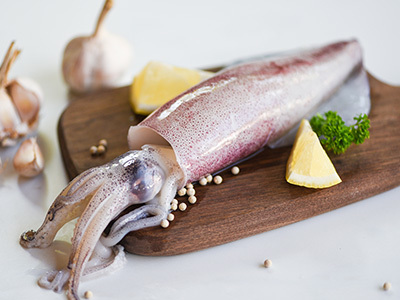
Squid Flower: A Dive into Its Culinary History
Squid Flower: A Dive into Its Culinary History Table of Contents What is Squid Flower? The Origin of Squid Flower Nutritional Benefits of Squid Flower Preparation Techniques for Squid Flower Cooking with Squid Flower: Recipes and Ideas Cultural Significance of Squid Flower Squid Flower in Global Cuisine FAQs about Squid Flower What is Squid Flower? The term "Squid Flower" refers
Feb 10,2026
Squid Flower: A Dive into Its Culinary History
Table of Contents
- What is Squid Flower?
- The Origin of Squid Flower
- Nutritional Benefits of Squid Flower
- Preparation Techniques for Squid Flower
- Cooking with Squid Flower: Recipes and Ideas
- Cultural Significance of Squid Flower
- Squid Flower in Global Cuisine
- FAQs about Squid Flower
What is Squid Flower?
The term "Squid Flower" refers to the delicate, flower-like appearance of the squid's reproductive organs, often used in culinary dishes to enhance both flavor and presentation. Also known as "squid roe," this ingredient is celebrated for its unique texture and briny flavor, making it a favorite among seafood enthusiasts. When cooked, squid flower takes on a tender, creamy consistency that melds beautifully with various seasonings and accompaniments.
The Origin of Squid Flower
Historically, Squid Flower has roots in coastal regions where squid fishing has been a traditional practice for centuries. From the Mediterranean to the Asia-Pacific, many cultures have developed methods for harvesting and preparing squid, with the reproductive organs often considered a delicacy. In Japan, for instance, squid roe is known as "ika no ikura" and is incorporated into sushi and sashimi, reflecting the country’s deep appreciation for seafood.
As culinary practices spread and evolved, the use of Squid Flower gained popularity in various cuisines around the world. The versatility of this ingredient, coupled with its rich history, has led to its inclusion in both traditional and contemporary dishes.
Nutritional Benefits of Squid Flower
Beyond its culinary appeal, Squid Flower offers numerous nutritional benefits. Rich in protein, this delicacy provides essential amino acids that support muscle growth and repair. Additionally, it is a source of omega-3 fatty acids, which are known for their heart-healthy properties.
Squid Flower is also low in calories, making it a great option for those looking to maintain a balanced diet. It contains vitamins and minerals, including:
- Vitamin B12: Essential for nerve function and the production of DNA and red blood cells.
- Selenium: A powerful antioxidant that plays a crucial role in metabolism and thyroid function.
- Iron: Important for oxygen transport in the blood and energy production.
By incorporating Squid Flower into your meals, you not only enrich your palate but also support your overall health.
Preparation Techniques for Squid Flower
Preparing Squid Flower requires careful handling to preserve its delicate texture and flavor. Here are some key techniques to consider:
Cleaning and Slicing
Before cooking, properly clean the squid flower by rinsing it under cold water to remove any impurities. Gently pat it dry with a paper towel. Depending on the dish, you may choose to slice the squid flower into smaller pieces to enhance its presentation and reduce cooking time.
Cooking Methods
Squid Flower can be prepared in various ways, including:
- Grilling: Grilling squid flower adds a smoky flavor and creates an appealing char.
- Sautéing: Quick sautéing with garlic and olive oil brings out the natural flavors without overpowering them.
- Boiling: Boiling is a simple method that allows for the squid flower's flavor to shine through, especially when served in broths or soups.
Cooking with Squid Flower: Recipes and Ideas
Squid Flower is incredibly versatile and can be incorporated into a variety of dishes. Here are some creative ideas to inspire your culinary adventures:
Squid Flower Pasta
Create a simple yet flavorful pasta dish by sautéing garlic and chili flakes in olive oil. Add cleaned squid flower and cook briefly until just tender. Toss with your favorite pasta and finish with a sprinkle of parsley and lemon zest for a refreshing twist.
Squid Flower Salad
For a light and nutritious salad, combine mixed greens with thinly sliced squid flower, cherry tomatoes, and avocado. Drizzle with a citrus vinaigrette for a zesty finish.
Squid Flower Sushi Rolls
Incorporate squid flower into sushi rolls for an exciting twist. Pair it with avocado and cucumber, wrap in nori, and serve with soy sauce for dipping.
Cultural Significance of Squid Flower
In many cultures, Squid Flower is more than just an ingredient; it represents tradition and community. In coastal towns, families often gather to fish for squid, sharing stories and recipes that have been passed down through generations. The act of cooking and enjoying Squid Flower together fosters a sense of camaraderie and connection.
Festivals and seafood fairs often showcase dishes featuring squid flower, allowing chefs to display their creativity while honoring their culinary heritage. This ingredient is a testament to the rich maritime cultures that celebrate the sea's bounty.
Squid Flower in Global Cuisine
Squid Flower's influence extends beyond its native regions, as international chefs embrace its unique characteristics in fusion cuisine. In Mediterranean cuisine, it is often paired with fresh herbs, citrus, and olive oil to enhance its natural flavors. In Asian dishes, it may be incorporated into stir-fries or soups, offering a satisfying texture and taste.
As global dining trends shift towards seafood sustainability, the demand for Squid Flower has increased, leading to innovative recipes and culinary explorations worldwide. The adaptability of this ingredient makes it an exciting choice for chefs looking to create memorable dining experiences.
FAQs about Squid Flower
1. What does Squid Flower taste like?
Squid Flower has a mild, briny flavor that reflects the essence of the sea. Its creamy texture becomes more pronounced when cooked, making it a delightful addition to various dishes.
2. How do I choose fresh Squid Flower?
When selecting Squid Flower, look for vibrant color and a fresh ocean scent. Avoid any that appear discolored or have an unpleasant odor.
3. Can I eat Squid Flower raw?
Yes, Squid Flower can be enjoyed raw, especially when used in sushi or sashimi dishes. Ensure it is fresh and sourced from a reputable supplier.
4. How can I store leftover Squid Flower?
Store leftover Squid Flower in an airtight container in the refrigerator for up to two days. It can also be frozen for longer preservation, though some texture may be lost upon thawing.
5. Is Squid Flower healthy?
Yes, Squid Flower is a nutritious option, high in protein and omega-3 fatty acids while remaining low in calories. It offers several vitamins and minerals essential for overall health.
Conclusion
Squid Flower is more than just a culinary ingredient; it embodies a rich history and cultural significance that connects communities through the love of food. With its unique flavor and versatility, this delicacy deserves a spot on your dining table. Whether you choose to grill, sauté, or incorporate it into your favorite recipes, Squid Flower promises to elevate your culinary experience. Embrace the flavors of the sea and explore the exciting possibilities that this exquisite ingredient has to offer!




Contact Information
Address: No. 1 Haitu Road, Xiangzhi Town, Shishi City, Fujian Province
QR Code

Enterprise official website