No. 1 Haitu Road, Xiangzhi Town, Shishi City, Fujian Province China

Frozen Bonito Fish: A Comprehensive Guide to Selecting the Freshest Options
Frozen Bonito Fish: A Comprehensive Guide to Selecting the Freshest Options Table of Contents Introduction to Frozen Bonito Fish What is Bonito Fish? Nutritional Benefits of Bonito Fish How to Select the Freshest Frozen Bonito Fish Understanding Packaging and Labeling Storage and Handling Tips for Frozen Bonito Fish Best Cooking Techniques for Bonito Fish Delicious
Feb 02,2026
Frozen Bonito Fish: A Comprehensive Guide to Selecting the Freshest Options
Table of Contents
- Introduction to Frozen Bonito Fish
- What is Bonito Fish?
- Nutritional Benefits of Bonito Fish
- How to Select the Freshest Frozen Bonito Fish
- Understanding Packaging and Labeling
- Storage and Handling Tips for Frozen Bonito Fish
- Best Cooking Techniques for Bonito Fish
- Delicious Recipes Featuring Bonito Fish
- Frequently Asked Questions
- Conclusion
Introduction to Frozen Bonito Fish
When it comes to seafood, few fish can compete with the rich flavor and versatility of **frozen bonito fish**. This culinary gem is not only a staple in many cuisines, particularly Japanese, but also a fantastic source of nutrition. In this guide, we will explore everything you need to know about selecting the freshest frozen bonito fish, ensuring that your culinary experience is both delightful and healthy.
What is Bonito Fish?
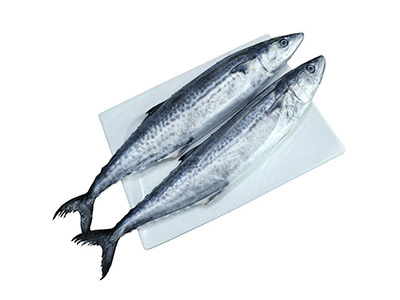
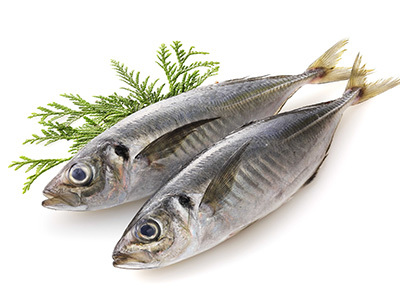
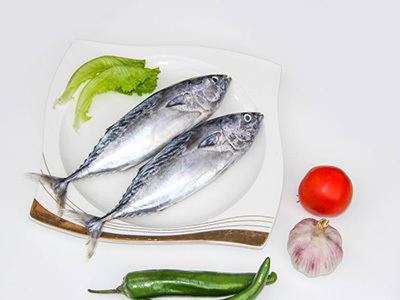
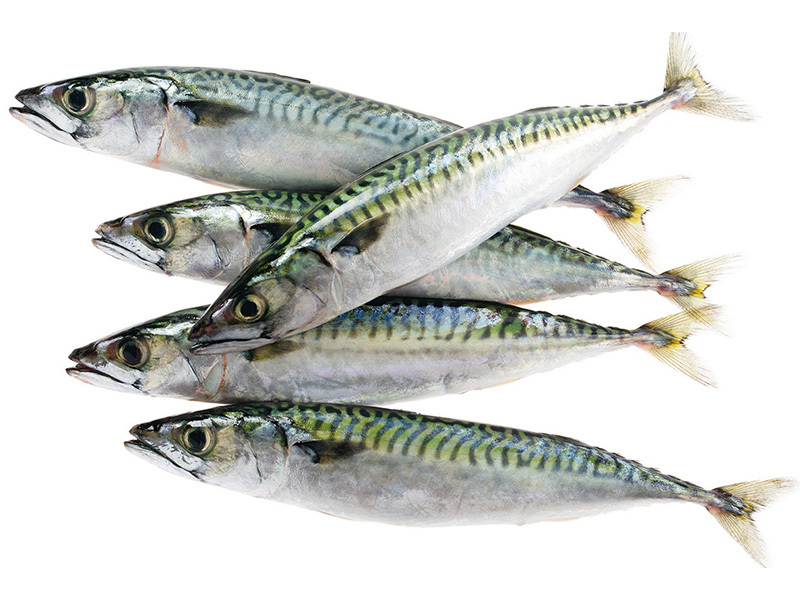
Bonito fish, often confused with tuna, belongs to the Scombridae family and is renowned for its rich, meaty flavor. Commonly found in both warm and temperate oceanic waters, bonito is characterized by its streamlined body and distinctive coloration, with dark blue or black backs and silver sides. They are often caught for consumption due to their firm texture and ability to absorb flavors, making them perfect for grilling, broiling, or even enjoying raw in sushi.
Types of Bonito Fish
There are several species within the bonito family, including:
- **Skipjack Tuna**: Commonly used in canned products and known for its strong flavor.
- **Atlantic Bonito**: Found in the Atlantic Ocean, favored for its mild taste.
- **Pacific Bonito**: A popular choice for grilling, offering a slightly sweet flavor.
Understanding the different types of bonito fish can aid in making informed decisions when purchasing frozen options.
Nutritional Benefits of Bonito Fish
Frozen bonito fish is not just delicious; it’s also packed with health benefits. Here are a few nutritional highlights:
- **High in Protein**: Bonito fish is an excellent source of high-quality protein, essential for muscle growth and repair.
- **Omega-3 Fatty Acids**: Rich in omega-3s, bonito supports heart health and can aid in reducing inflammation.
- **Vitamins and Minerals**: It provides important nutrients such as vitamin B12, selenium, and phosphorus, crucial for overall health.
Incorporating bonito into your diet can contribute to a balanced and nutrient-rich meal plan.
How to Select the Freshest Frozen Bonito Fish
Selecting the best frozen bonito fish can significantly enhance your cooking experience. Here are some tips to guide you through the selection process:
1. Look for Quality Assurance
Choose brands that are known for their quality. Look for certifications such as FDA-approved or wild-caught labels, as these often indicate better fishing practices and higher quality fish.
2. Check for Freezing Method
The freezing method can affect the quality of fish. **Flash freezing** soon after the catch preserves the texture and flavor better than slow freezing.
3. Examine the Color and Texture
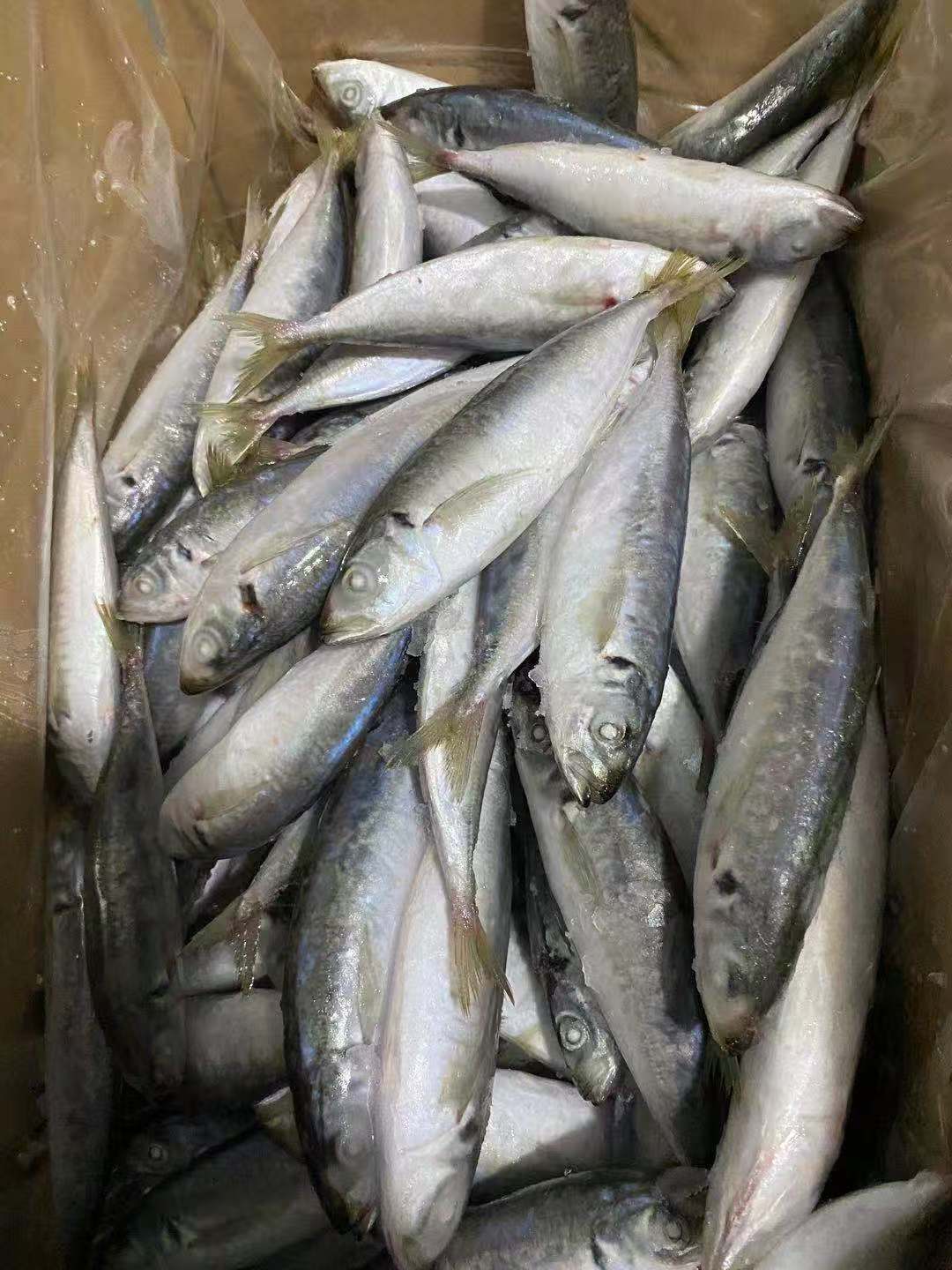
When possible, inspect the fish visually. Fresh frozen bonito should have a vibrant color without any discoloration or dark spots. The flesh should appear firm and moist, not dry or mushy.
4. Smell Test
Even frozen, fish can have a distinct smell. Fresh bonito should have a pleasant, ocean-like aroma. Any strong or off-putting smells may indicate spoilage.
Understanding Packaging and Labeling
The packaging and labeling of frozen bonito fish play a crucial role in ensuring freshness and quality. Here’s what to look for:
1. Vacuum Sealed Packaging
Opt for bonito that is vacuum sealed. This method removes air and helps prevent freezer burn, preserving the fish's quality.
2. Clear Expiration Date
Always check the expiration date. Fresh frozen fish should be consumed before this date to ensure optimal quality.
3. Ingredient List
The ingredient list should be minimal. Ideally, it should only include bonito fish and possibly salt, with no artificial preservatives or additives.
Storage and Handling Tips for Frozen Bonito Fish
Proper storage and handling can maintain the quality of your frozen bonito fish until you are ready to cook it. Here are some guidelines:
1. Freezer Temperature
Maintain your freezer at a consistent temperature of 0°F (-18°C) or lower to keep the fish fresh.
2. Avoid Refreezing
Once thawed, do not refreeze bonito fish as this can compromise its texture and flavor. Use it within 1-2 days after thawing.
3. Thawing Methods
The best way to thaw frozen bonito is in the refrigerator overnight. For faster results, you can place the sealed package in cold water for a few hours, but avoid using a microwave.
Best Cooking Techniques for Bonito Fish
Bonito fish is incredibly versatile and can be prepared in various ways. Here are some popular cooking techniques:
1. Grilling
Grilling bonito brings out its natural flavors. Brush the fish with olive oil and season with salt and pepper, then grill over medium heat for about 5-6 minutes per side.
2. Searing
For a quick and flavorful meal, sear bonito fillets in a hot skillet. This method creates a delicious crust while keeping the inside tender.
3. Sushi and Sashimi
Freshly thawed bonito can be used in sushi rolls or served as sashimi. Slice thinly and serve with soy sauce and wasabi for an authentic experience.
4. Baking
Baking is a healthy option. Place seasoned bonito in a baking dish and cook at 375°F (190°C) for about 20 minutes or until the fish flakes easily with a fork.
Delicious Recipes Featuring Bonito Fish
To inspire your culinary journey, here are some mouth-watering recipes featuring frozen bonito fish:
1. Grilled Bonito with Lemon and Herbs
Marinate bonito fillets in olive oil, lemon juice, garlic, and fresh herbs. Grill until cooked through, and serve with a side salad.
2. Bonito Fish Tacos
Sauté bonito with taco seasoning, and serve in corn tortillas with fresh toppings such as cabbage, avocado, and salsa.
3. Bonito Sushi Rolls
Roll sushi rice, avocado, and sliced bonito in nori, and enjoy with soy sauce and pickled ginger for a delightful meal.
4. Spicy Bonito Poke Bowl
Combine cubed, thawed bonito with soy sauce, sesame oil, and Sriracha. Serve over rice with diced vegetables and seaweed.
Frequently Asked Questions
1. How long can I store frozen bonito fish?
Frozen bonito fish can be stored for up to 6 months in the freezer for optimal quality.
2. Can I cook frozen bonito fish without thawing it first?
Yes, you can cook frozen bonito directly from the freezer, but it may take longer to cook thoroughly.
3. Is frozen bonito fish safe to eat?
Absolutely! When properly frozen and handled, bonito fish is safe and nutritious.
4. What is the best way to season bonito fish?
Simple seasonings like salt, pepper, lemon juice, and fresh herbs work well to enhance the natural flavor of bonito.
5. Where can I buy high-quality frozen bonito fish?
Look for reputable seafood markets, grocery stores, or online retailers specializing in frozen seafood products.
Conclusion
Selecting the freshest frozen bonito fish is an essential part of enjoying this flavorful seafood. By understanding the different types of bonito, recognizing quality indicators, and utilizing proper cooking techniques, you can elevate your meals with this nutritious fish. Whether grilled, baked, or featured in sushi, frozen bonito fish offers a delightful culinary experience that is both tasty and healthy. By following this guide, we hope you feel empowered to make informed choices that will enhance your dining experience. Enjoy the journey of exploring the world of frozen bonito fish!
TAG:




Contact Information
Address: No. 1 Haitu Road, Xiangzhi Town, Shishi City, Fujian Province
QR Code

Enterprise official website