No. 1 Haitu Road, Xiangzhi Town, Shishi City, Fujian Province China

Exploring the Culinary Flexibility of Frozen Pacific Mackerel: A Comprehensive Guide
Exploring the Culinary Flexibility of Frozen Pacific Mackerel Table of Contents Introduction to Frozen Pacific Mackerel Nutritional Benefits of Frozen Pacific Mackerel Preparation Techniques for Optimal Flavor Cooking Methods to Enhance Taste Versatile Recipes Using Frozen Pacific Mackerel Pairing Suggestions for Accompaniments Storage Tips for Frozen Pacific Mackerel
Jan 17,2026
Exploring the Culinary Flexibility of Frozen Pacific Mackerel
Table of Contents
- Introduction to Frozen Pacific Mackerel
- Nutritional Benefits of Frozen Pacific Mackerel
- Preparation Techniques for Optimal Flavor
- Cooking Methods to Enhance Taste
- Versatile Recipes Using Frozen Pacific Mackerel
- Pairing Suggestions for Accompaniments
- Storage Tips for Frozen Pacific Mackerel
- Frequently Asked Questions
- Conclusion
Introduction to Frozen Pacific Mackerel
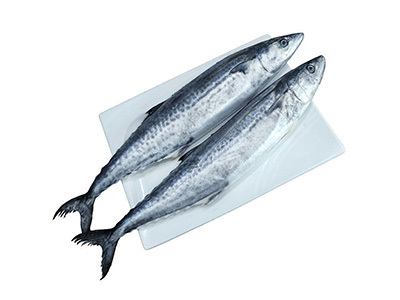
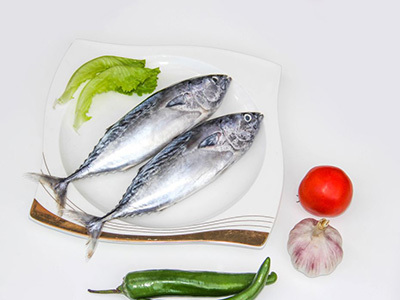
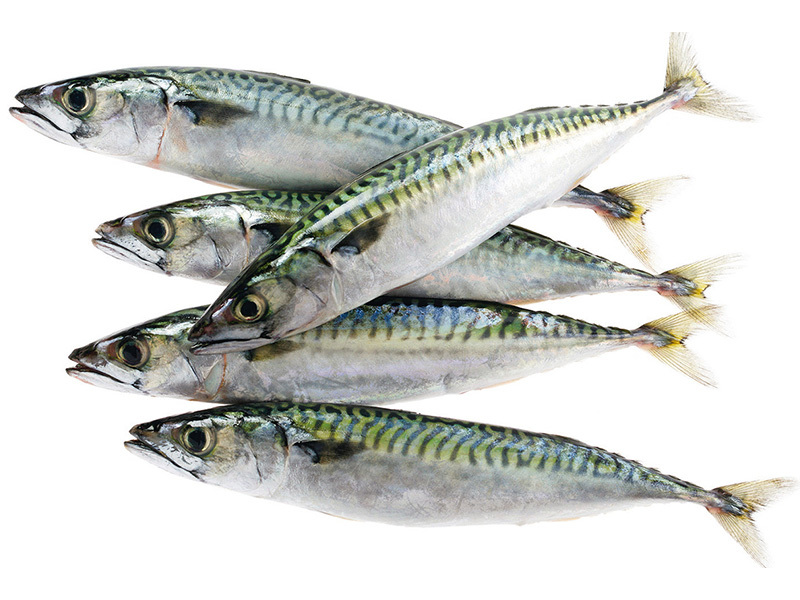
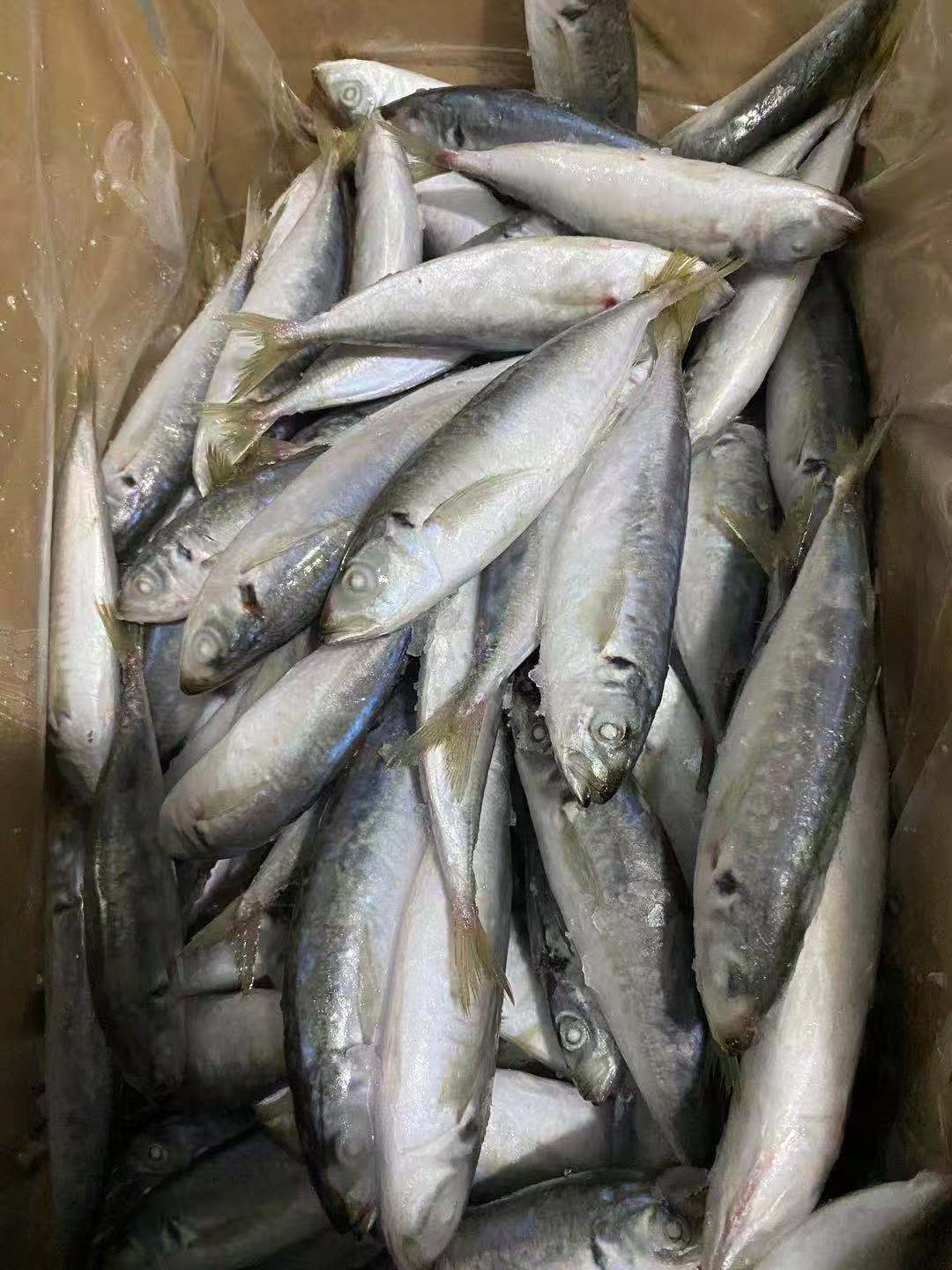
Frozen Pacific mackerel, known for its rich flavor and oily texture, has become a staple in households around the globe. This fish, native to the North Pacific Ocean, is not only celebrated for its unique taste but also for its culinary versatility. From grilling to steaming, frozen Pacific mackerel can adapt to a variety of cooking styles, making it an appealing choice for both casual meals and gourmet dining experiences.
In this article, we will explore the many dimensions of frozen Pacific mackerel, covering its nutritional benefits, preparation and cooking techniques, delicious recipes, and tips for storage. By the end, cooks of all skill levels will appreciate how easy it is to incorporate this fish into their culinary repertoire.
Nutritional Benefits of Frozen Pacific Mackerel
Frozen Pacific mackerel is more than just a delicious fish; it is also packed with essential nutrients. Here are some key nutritional highlights:
Rich in Omega-3 Fatty Acids
One of the most significant health benefits of eating mackerel is its high content of omega-3 fatty acids. These essential fats are known for promoting heart health, improving brain function, and reducing inflammation throughout the body.
Excellent Source of Protein
A single serving of frozen Pacific mackerel provides a substantial amount of high-quality protein. This macronutrient is vital for muscle repair, immune function, and overall energy levels.
Vitamins and Minerals
Mackerel is also rich in various vitamins and minerals, including Vitamin B12, selenium, and Vitamin D. These nutrients play crucial roles in maintaining energy levels, promoting bone health, and supporting the immune system.
Preparation Techniques for Optimal Flavor
When it comes to preparing frozen Pacific mackerel, several techniques can enhance its natural flavor:
Thawing the Fish
Proper thawing is essential to preserving the texture and taste of frozen mackerel. The best method is to transfer the fish from the freezer to the refrigerator for 24 hours before cooking. If you're short on time, you can also submerge the sealed fish in cold water for about an hour.
Marinating for Enhanced Flavor
Marinating frozen Pacific mackerel can elevate its flavor profile significantly. A simple marinade of olive oil, lemon juice, garlic, and herbs can add depth to the fish's natural taste. Aim to marinate for at least 30 minutes before cooking.
Cooking Methods to Enhance Taste
Frozen Pacific mackerel can be prepared using various cooking methods, each offering a unique flavor experience:
Grilling
Grilling mackerel is one of the most popular cooking methods. The high heat caramelizes the fish's natural oils, creating a crispy exterior while keeping the inside moist. Preheat the grill, oil the grates, and cook the fish skin-side down for approximately 5-7 minutes on each side.
Pan-Seering
Pan-searing is another excellent way to prepare mackerel. Heat a skillet over medium-high heat with a drizzle of oil, then place the fish in the pan. Cook for 3-4 minutes on each side, and enjoy the crispy, golden exterior that complements its tender interior.
Baking
Baking is a healthier cooking method that allows the fish to cook evenly. Place the marinated mackerel in a baking dish and bake at 375°F (190°C) for about 20 minutes. This method retains moisture and ensures the fish remains succulent.
Steaming
Steaming mackerel helps preserve its natural oils and nutrients. Place the fish in a steamer basket over boiling water and steam for 10-15 minutes. This method is especially beneficial for those seeking a lighter preparation.
Versatile Recipes Using Frozen Pacific Mackerel
Now that we understand how to prepare and cook frozen Pacific mackerel, let’s explore some recipes that highlight its culinary flexibility:
Grilled Mackerel with Lemon and Herbs
For a straightforward yet flavorful dish, marinate the mackerel in olive oil, lemon juice, garlic, and fresh herbs. Grill as described above and serve with a side of seasonal vegetables.
Mackerel Tacos with Mango Salsa
Shred cooked mackerel and serve it in warm tortillas with refreshing mango salsa. The combination of flavors and textures makes for a delightful meal.
Spicy Mackerel and Rice Bowl
Prepare a rice bowl by combining cooked mackerel with sautéed vegetables and a spicy soy sauce. This dish is not only filling but also packed with nutrients.
Mackerel Salad with Avocado and Spinach
Create a vibrant salad by mixing flaked mackerel with fresh spinach, avocado, cherry tomatoes, and a light vinaigrette. This dish is perfect for a healthy lunch or dinner.
Smoked Mackerel Pate
Blend cooked mackerel with cream cheese, lemon juice, and herbs to create a delectable pate. Serve with crackers as an appetizer or snack.
Pairing Suggestions for Accompaniments
To elevate your mackerel dishes, consider pairing them with complementary sides and beverages:
Complementary Side Dishes
- **Couscous or Quinoa**: These grains provide a nutty flavor that pairs well with mackerel.
- **Roasted Vegetables**: Seasoned roasted vegetables enhance the meal's overall taste.
- **Salads**: A crisp salad with citrus dressing can provide a refreshing contrast.
Beverage Pairings
- **White Wine**: A chilled Sauvignon Blanc or Chardonnay complements the fish's rich flavors.
- **Beer**: A light lager or pale ale can also enhance the dining experience.
- **Sparkling Water**: For a non-alcoholic option, sparkling water with a slice of lemon is a refreshing choice.
Storage Tips for Frozen Pacific Mackerel
To maintain the quality and freshness of frozen Pacific mackerel, proper storage is crucial:
Freezing Tips
Ensure the mackerel is vacuum-sealed or tightly wrapped to prevent freezer burn. Label the packaging with the date to keep track of freshness.
Thawing Guidelines
As mentioned earlier, always thaw mackerel in the refrigerator or using cold water. Avoid thawing at room temperature to reduce the risk of bacterial growth.
Frequently Asked Questions
1. How long can I store frozen Pacific mackerel?
Frozen Pacific mackerel can typically be stored for up to six months in the freezer without losing quality.
2. Can I cook frozen mackerel directly from the freezer?
Yes, you can cook frozen mackerel directly from the freezer, but it may take longer to cook through. Thawing is recommended for optimal results.
3. Is frozen mackerel as nutritious as fresh mackerel?
Yes, frozen mackerel retains its nutritional value, and in some cases, it can be fresher than "fresh" fish that has been shipped over long distances.
4. What is the best way to check if mackerel is cooked?
Mackerel is cooked when it flakes easily with a fork and has an opaque appearance. The internal temperature should reach 145°F (63°C).
5. Can I use mackerel in dishes other than seafood recipes?
Absolutely! Mackerel can be used in salads, pasta dishes, and even as a protein source in grain bowls, showcasing its culinary flexibility.
Conclusion
Frozen Pacific mackerel is a versatile ingredient that should have a place in every kitchen. Its rich flavor, coupled with numerous health benefits, makes it a fantastic choice for various culinary endeavors. From grilling and pan-searing to innovative recipes like mackerel tacos and smoked mackerel pate, the possibilities are endless. Embrace the culinary flexibility of frozen Pacific mackerel and introduce this nutritious fish into your meal planning today.
PREVIOUS:




Contact Information
Address: No. 1 Haitu Road, Xiangzhi Town, Shishi City, Fujian Province
QR Code

Enterprise official website