No. 1 Haitu Road, Xiangzhi Town, Shishi City, Fujian Province China

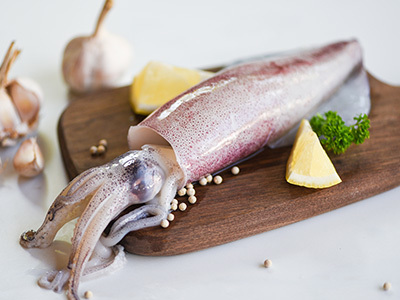
Exploring Regional Dishes Featuring Todarodes Sagittatus: A Culinary Journey Through Flavor
Exploring Regional Dishes Featuring Todarodes Sagittatus: A Culinary Journey Table of Contents 1. Introduction to Todarodes Sagittatus 2. Nutritional Value of Todarodes Sagittatus 3. Cooking Methods for Todarodes Sagittatus 4. Regional Dishes Featuring Todarodes Sagittatus 4.1 Japanese Culinary Delights 4.2 Mediterranean Specialties 4.3
Jan 13,2026
Exploring Regional Dishes Featuring Todarodes Sagittatus: A Culinary Journey
Table of Contents
- 1. Introduction to Todarodes Sagittatus
- 2. Nutritional Value of Todarodes Sagittatus
- 3. Cooking Methods for Todarodes Sagittatus
- 4. Regional Dishes Featuring Todarodes Sagittatus
- 5. Cultural Significance of Todarodes Sagittatus
- 6. Tips for Cooking Todarodes Sagittatus
- 7. Sustainability and Ethical Fishing Practices
- 8. Frequently Asked Questions
- 9. Conclusion
1. Introduction to Todarodes Sagittatus
In the vast oceanic tapestry, one cephalopod stands out for its culinary potential: Todarodes Sagittatus, commonly known as the European flying squid. Native to the northern Atlantic, this squid species has gained popularity for its tender flesh and ability to absorb flavors, making it a sought-after ingredient in various regional cuisines. As we explore the multifaceted uses of Todarodes Sagittatus, we will delve into the unique dishes that celebrate its taste and texture.
2. Nutritional Value of Todarodes Sagittatus
Before we jump into the culinary delights, it’s essential to appreciate the nutritional value of Todarodes Sagittatus. This squid is not only delicious but also packed with health benefits, making it a superb choice for health-conscious consumers.
- High in Protein: Todarodes Sagittatus is an excellent source of lean protein, essential for muscle building and repair.
- Rich in Omega-3 Fatty Acids: These healthy fats promote cardiovascular health and are vital for brain function.
- Low in Calories: A perfect option for those looking to maintain or lose weight without sacrificing flavor.
- Vitamins and Minerals: This squid is also rich in B vitamins, iron, and selenium, contributing to overall health.
3. Cooking Methods for Todarodes Sagittatus
Understanding the various cooking methods for Todarodes Sagittatus enhances its flavor profile and texture. Here are some popular techniques:
- Grilling: Grilling brings out the smoky flavor while keeping the meat tender. Marinate the squid for added depth.
- Stir-frying: Quick stir-frying preserves the squid's natural juices, resulting in a succulent dish.
- Boiling: A simple method that keeps the squid moist and tender. Pair with a dipping sauce for a delightful experience.
- Stuffing: Stuffed Todarodes Sagittatus is a delightful way to incorporate various ingredients, from vegetables to rice.
4. Regional Dishes Featuring Todarodes Sagittatus
Various cultures around the world have embraced Todarodes Sagittatus, leading to a diverse array of dishes. Here, we highlight some of the most popular regional specialties.
4.1 Japanese Culinary Delights
In Japan, Todarodes Sagittatus is often featured in several traditional dishes. One of the most popular is Ikasoba, a savory noodle dish topped with grilled squid. The squid is marinated in a mixture of soy sauce, mirin, and sake, leading to a dish bursting with umami flavors. Another favorite is Squid Sushi, where the tender squid is thinly sliced and expertly placed atop vinegared rice, often accompanied by a dab of wasabi.
4.2 Mediterranean Specialties
The Mediterranean region showcases Todarodes Sagittatus in various exquisite ways. In Spain, Calamares a la Romana is a beloved dish featuring fried squid rings. The squid is coated in a light batter and fried until crispy, creating a delightful appetizer. In Italy, Risotto di Seppie incorporates diced squid into a creamy risotto, enhanced with squid ink for an eye-catching presentation and flavorful depth.
4.3 South American Influences
In South America, especially in coastal countries like Peru, Todarodes Sagittatus is celebrated in dishes like Causa Rellena. This dish layers mashed yellow potatoes with a filling of seasoned squid and avocado, resulting in a vibrant and satisfying plate. Another popular dish is Chupe de Calamares, a rich squid chowder that combines fresh vegetables, herbs, and spices for a hearty meal.
5. Cultural Significance of Todarodes Sagittatus
Todarodes Sagittatus holds more than just culinary importance; it also plays a vital role in the cultural practices of many coastal communities. Across various cultures, squid fishing is often a family or community activity, fostering bonds and traditions. Festivals celebrating the squid harvest often feature cooking competitions and communal meals, allowing people to come together and share their heritage.
6. Tips for Cooking Todarodes Sagittatus
To achieve the best flavor and texture when cooking Todarodes Sagittatus, consider the following tips:
- Freshness is Key: Always choose fresh squid for the best taste. Look for firm, unblemished flesh and a mild, briny smell.
- Proper Cleaning: Clean the squid thoroughly before cooking to remove any grit and ensure a pleasant eating experience.
- Do Not Overcook: Todarodes Sagittatus cooks quickly; overcooking can lead to toughness. Aim for just a few minutes on high heat.
- Experiment with Flavors: This squid absorbs flavors well, so don’t hesitate to experiment with marinades, herbs, and spices.
7. Sustainability and Ethical Fishing Practices
As the demand for Todarodes Sagittatus rises, it is crucial to consider sustainability and ethical fishing practices. Overfishing poses a significant threat to squid populations, making it essential for consumers to choose sustainably sourced seafood. Support local fisheries that practice responsible fishing methods and promote conservation efforts to ensure the longevity of this delicious cephalopod for future generations.
8. Frequently Asked Questions
1. What does Todarodes Sagittatus taste like?
Todarodes Sagittatus has a mild, slightly sweet flavor with a tender texture, making it versatile for various dishes.
2. How can I tell if Todarodes Sagittatus is fresh?
Fresh squid should have a clean, ocean-like smell, firm flesh, and vibrant color. Avoid any that appear slimy or have a strong fishy odor.
3. Can I substitute Todarodes Sagittatus with other types of squid?
Yes, while Todarodes Sagittatus has its unique flavor, other similar squid varieties can be substituted in recipes, though cooking times may vary.
4. Is Todarodes Sagittatus healthy?
Yes, it is low in calories, high in protein, and rich in omega-3 fatty acids and essential vitamins and minerals, making it a healthy dietary choice.
5. What are some common dishes that use Todarodes Sagittatus?
Common dishes include grilled squid, fried squid rings, squid sushi, and various Mediterranean and South American specialties featuring this unique cephalopod.
9. Conclusion
In conclusion, Todarodes Sagittatus offers a unique culinary experience that reflects the traditions and flavors of various cultures around the globe. From Japan's sumptuous sushi to the vibrant dishes of the Mediterranean and South America, this remarkable squid enriches our dining experiences. By embracing sustainable fishing practices and exploring diverse recipes, we not only celebrate the delightful flavors of Todarodes Sagittatus but also contribute to the preservation of this incredible marine resource. Whether you are a seasoned chef or a curious home cook, incorporating this squid into your culinary repertoire promises to be a rewarding journey.
PREVIOUS:




Contact Information
Address: No. 1 Haitu Road, Xiangzhi Town, Shishi City, Fujian Province
QR Code

Enterprise official website