No. 1 Haitu Road, Xiangzhi Town, Shishi City, Fujian Province China

Understanding Round Scad: A Valuable Species in Aquaculture
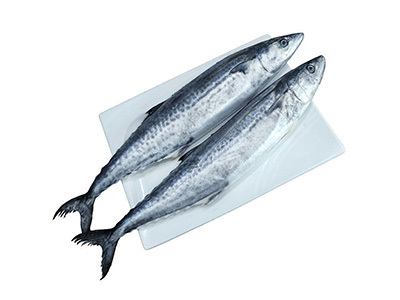
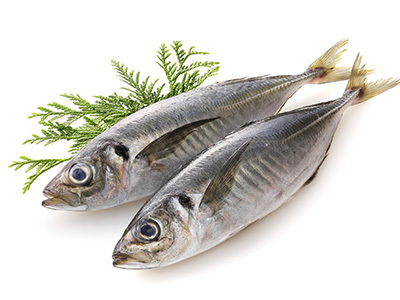
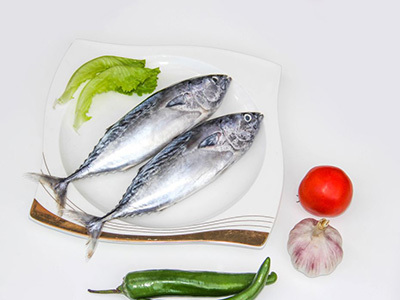
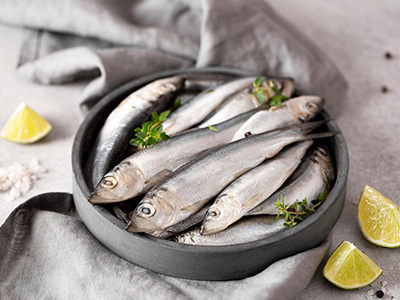
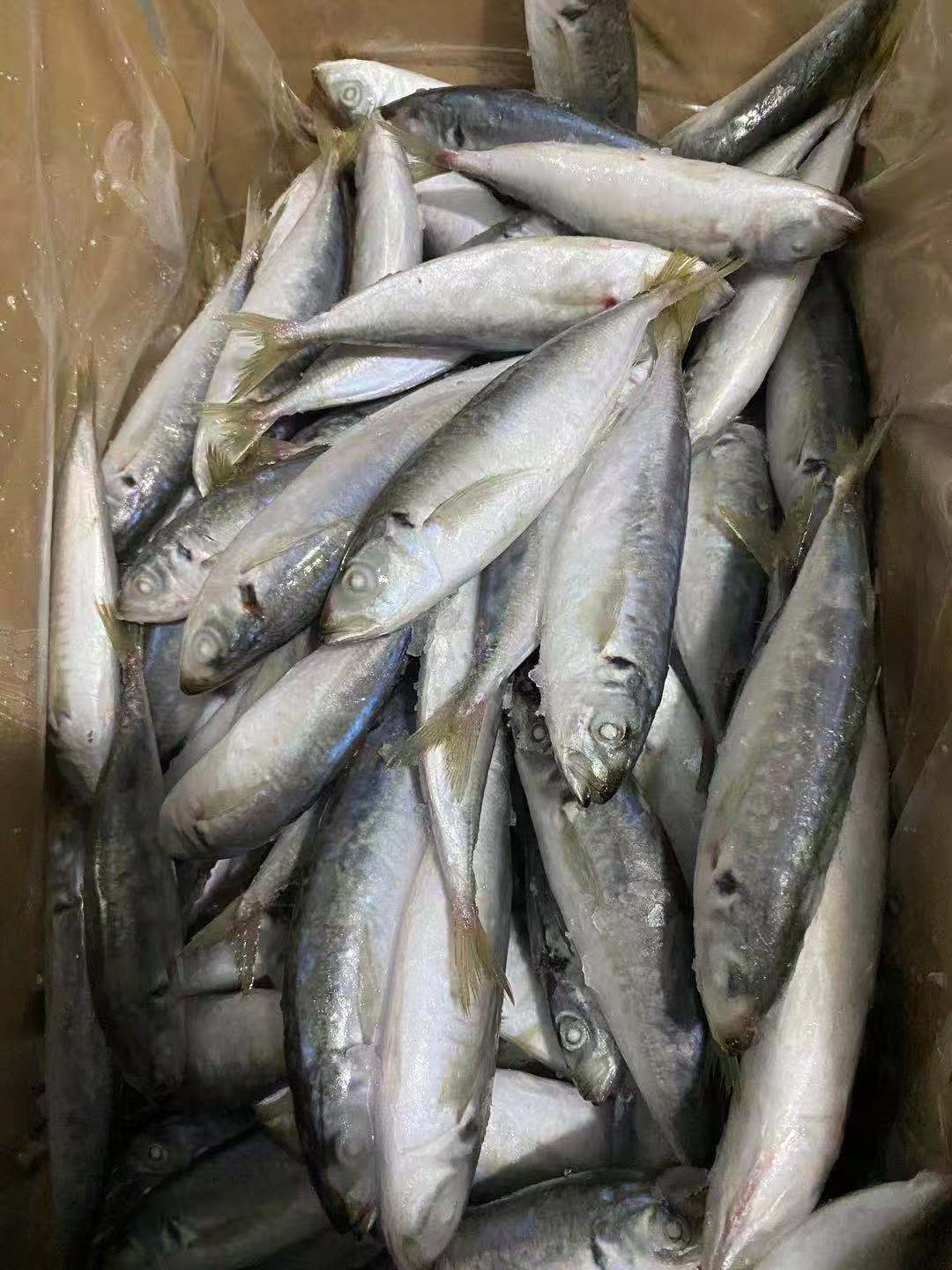
Round Scad, scientifically known as Decapterus spp., is a key species within the aquaculture realm, particularly valued for its role in both local and international seafood markets. This fish belongs to the Carangidae family and is commonly found in warm waters, making it an economically important fish for various coastal communities. One of the critical aspects of Round Scad is its adaptability
Jan 10,2026
Round Scad, scientifically known as Decapterus spp., is a key species within the aquaculture realm, particularly valued for its role in both local and international seafood markets. This fish belongs to the Carangidae family and is commonly found in warm waters, making it an economically important fish for various coastal communities.
One of the critical aspects of Round Scad is its adaptability to different environments, which allows it to thrive in both marine and brackish waters. This adaptability not only aids in its natural propagation but also makes it a promising candidate for aquaculture. As global demand for seafood continues to rise, Round Scad offers a sustainable option for aquaculture practices, as it can be raised in a variety of farming systems, including cages and ponds.
Nutritionally, Round Scad is rich in essential nutrients, making it a popular choice among consumers. It is high in protein and omega-3 fatty acids, which are vital for heart health and overall well-being. The presence of these nutrients not only enhances its marketability but also supports the health of populations that rely on fish as a primary protein source.
From an ecological perspective, Round Scad plays a significant role in the aquatic food web. It serves as a prey species for larger fish and marine mammals, thus contributing to the biodiversity and health of marine ecosystems. Sustainable harvesting and farming practices are crucial to ensure that Round Scad populations remain stable, thus supporting both the environment and local economies.
For professionals in the agriculture and seafood industry, understanding the lifecycle and habitat requirements of Round Scad can significantly impact farming success. Implementing best practices in aquaculture, such as maintaining optimal water quality and employing responsible feeding strategies, can enhance the growth rates and overall health of Round Scad populations.
Moreover, as consumers become increasingly interested in sustainability, promoting Round Scad as a sustainable seafood choice can provide businesses with a competitive edge. Educating consumers about the benefits of Round Scad and encouraging its consumption can lead to a more sustainable seafood market while helping to alleviate the pressures on overfished species.
In conclusion, Round Scad represents a promising species within the aquaculture industry, offering nutritional benefits, ecological significance, and potential for sustainable farming practices. By prioritizing responsible aquaculture methods and consumer education, industry professionals can contribute to a thriving market for Round Scad while ensuring the health of marine ecosystems.
TAG:




Contact Information
Address: No. 1 Haitu Road, Xiangzhi Town, Shishi City, Fujian Province
QR Code

Enterprise official website