No. 1 Haitu Road, Xiangzhi Town, Shishi City, Fujian Province China

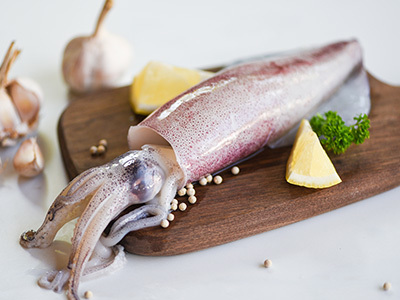
Exploring the Fascinating World of Todarodes Sagittatus: An Insight into This Unique Cephalopod
Todarodes sagittatus is a member of the Cephalopoda class, which includes squids, octopuses, and cuttlefish. This species is primarily found in the warm, shallow waters of the Atlantic Ocean and the Mediterranean Sea. Characterized by its elongated body and long fins, Todarodes sagittatus can reach sizes of up to 50 cm in length. Its streamlined shape allows it to swim efficiently, making it a pro
Jan 08,2026
One of the most fascinating aspects of Todarodes sagittatus is its ability to change color and texture. This capability is not only a means of camouflage to evade predators but also a tool for communication during mating rituals. The squid's skin contains specialized cells called chromatophores, which expand and contract to produce vibrant displays of color. This adaptability is critical for survival in the diverse marine habitats it occupies.
In terms of diet, Todarodes sagittatus primarily feeds on smaller fish, crustaceans, and other marine creatures. As an important predator, it helps maintain the balance within the ecosystem. This species is also a key prey item for larger marine animals, including fish, seabirds, and marine mammals, highlighting its integral role in the food web.
Culinary-wise, Todarodes sagittatus is celebrated for its tender texture and mild flavor, making it a popular choice in various cuisines around the world. Whether grilled, fried, or incorporated into soups and stews, squid dishes offer a nutritious option high in protein and low in calories. Additionally, the sustainability of harvesting Todarodes sagittatus is increasingly emphasized, with responsible fishing practices being encouraged to ensure the longevity of this species and its habitat.
Moreover, understanding the biological and ecological aspects of Todarodes sagittatus can aid in sustainable aquaculture practices. By applying this knowledge, those engaged in the seafood industry can contribute to the preservation of marine biodiversity while meeting the growing demand for seafood products.
In summary, Todarodes sagittatus is not only a fascinating cephalopod with unique characteristics but also a vital component of marine ecosystems and a delicious addition to our diets. Embracing sustainable practices and recognizing the importance of this species can lead to a healthier ocean and a more responsible seafood industry, ultimately benefiting consumers and the environment alike.




Contact Information
Address: No. 1 Haitu Road, Xiangzhi Town, Shishi City, Fujian Province
QR Code

Enterprise official website