No. 1 Haitu Road, Xiangzhi Town, Shishi City, Fujian Province China

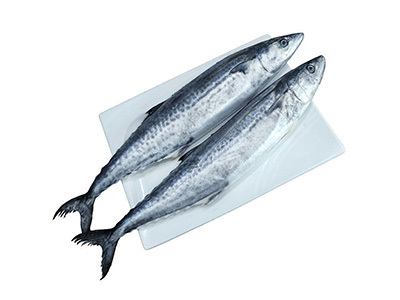
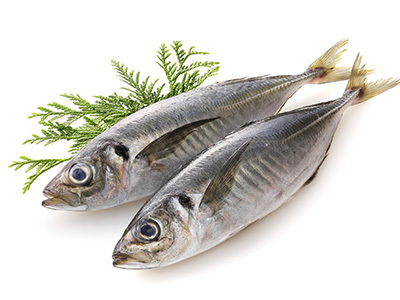
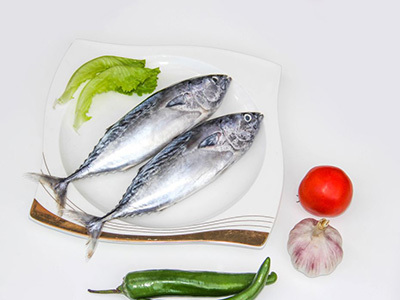
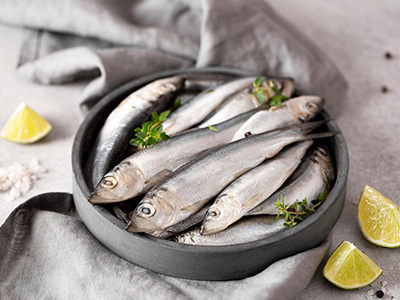
Understanding Frozen Bonito Fish: A Culinary and Nutritional Perspective
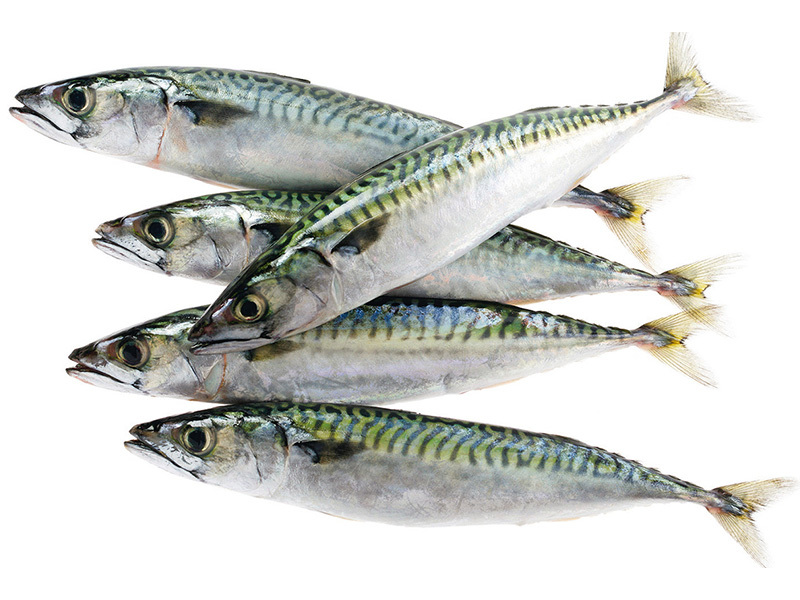
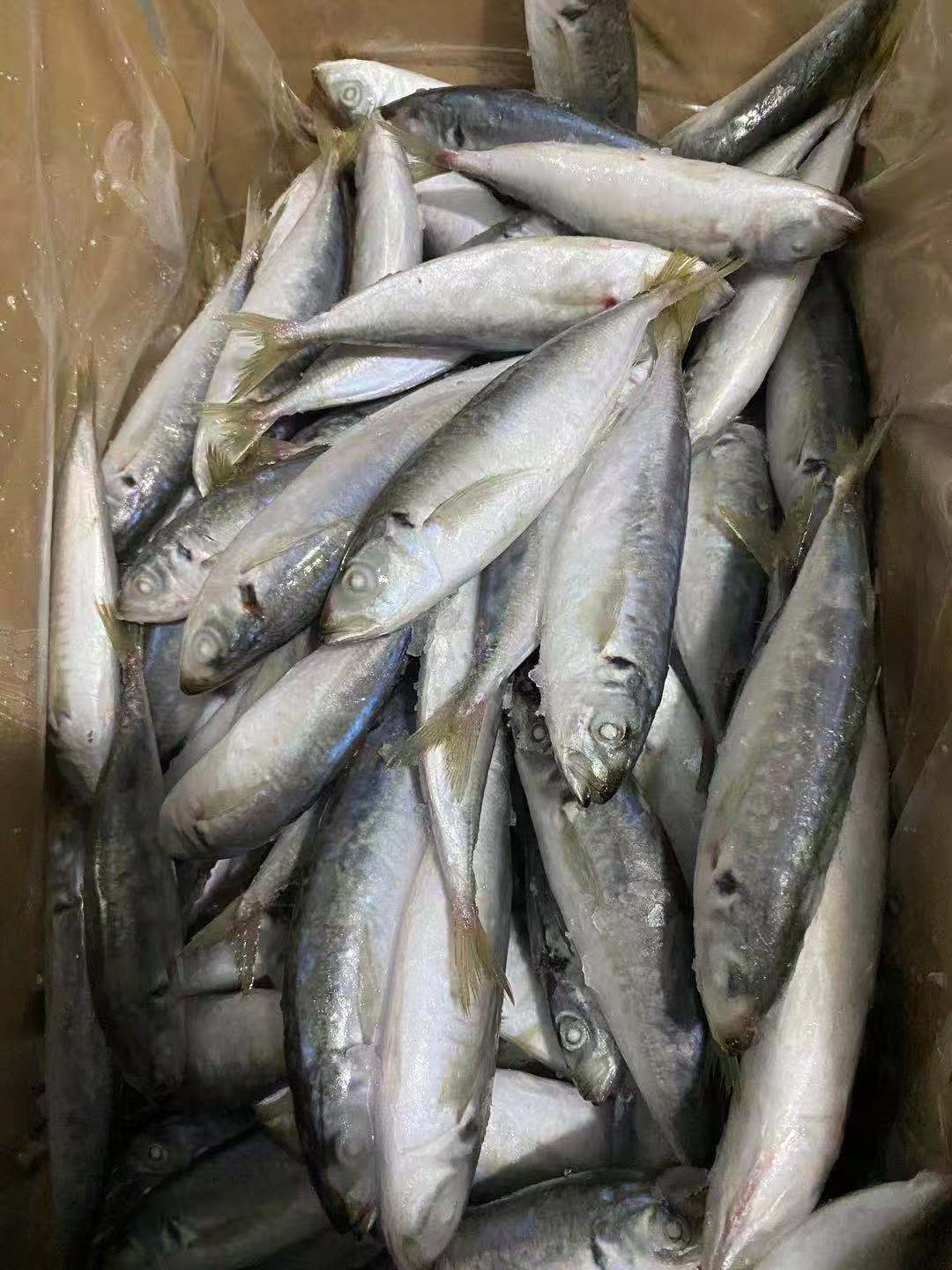
Frozen bonito fish, also known scientifically as Katsuwonus pelamis, is a popular choice in various culinary traditions around the world. This species of fish is known for its rich flavor profile and versatility in cooking, making it a staple in many kitchens and seafood markets. For professionals within the agriculture and food sector, comprehending the qualities and benefits of frozen bonito fis
Jan 06,2026
Frozen bonito fish, also known scientifically as Katsuwonus pelamis, is a popular choice in various culinary traditions around the world. This species of fish is known for its rich flavor profile and versatility in cooking, making it a staple in many kitchens and seafood markets. For professionals within the agriculture and food sector, comprehending the qualities and benefits of frozen bonito fish is essential for maximizing its potential in both commercial and consumer settings.
One of the key aspects of frozen bonito fish is its robust nutritional value. It is an excellent source of protein, providing all essential amino acids necessary for human health. Additionally, bonito fish is rich in omega-3 fatty acids, which are vital for heart health and cognitive function. These health benefits make bonito an appealing option for health-conscious consumers and chefs alike.
When it comes to culinary applications, frozen bonito fish is incredibly versatile. It can be used in a variety of dishes, ranging from traditional sushi and sashimi to grilled or broiled preparations. The fish's firm texture and distinct flavor allow it to stand out in both simple and complex recipes. Moreover, the freezing process helps preserve its quality, enabling chefs and consumers to enjoy the freshness of bonito fish at any time of the year.
The handling and storage of frozen bonito fish are crucial factors to maintain its quality. It is recommended to keep the fish at a consistent freezing temperature, preventing freezer burn and other quality degradation. When thawing, it’s best to do so in a refrigerator to preserve texture and flavor.
In terms of sustainability, it is essential for industry professionals to source frozen bonito fish from responsible fisheries. Ensuring that the fish is harvested from well-managed stocks contributes to the health of marine ecosystems and meets consumer demand for sustainable seafood options. This awareness of sustainability not only enhances the marketability of frozen bonito fish but also aligns with growing consumer preferences for ethically sourced products.
In conclusion, frozen bonito fish is a valuable addition to the seafood industry due to its nutritional benefits, culinary versatility, and importance in sustainable practices. By understanding its characteristics and applications, professionals can effectively leverage frozen bonito fish to meet market demands and enhance consumer satisfaction. As the market continues to evolve, staying informed about such products will empower industry players to make informed decisions that benefit their operations and the environment.
TAG:




Contact Information
Address: No. 1 Haitu Road, Xiangzhi Town, Shishi City, Fujian Province
QR Code

Enterprise official website