No. 1 Haitu Road, Xiangzhi Town, Shishi City, Fujian Province China


Understanding Todarodes Sagittatus: Key Insights for Seafood Professionals
Todarodes sagittatus, also known as the European common squid, is a fascinating cephalopod that holds significant importance in the seafood industry. This species is predominantly found in the northeastern Atlantic Ocean, particularly in areas with temperate waters. Understanding its biology and ecology is essential for seafood professionals engaged in sustainable fishing practices and product dev
Dec 29,2025
Todarodes sagittatus, also known as the European common squid, is a fascinating cephalopod that holds significant importance in the seafood industry. This species is predominantly found in the northeastern Atlantic Ocean, particularly in areas with temperate waters. Understanding its biology and ecology is essential for seafood professionals engaged in sustainable fishing practices and product development.
One of the defining features of Todarodes sagittatus is its adaptability to various marine environments. This squid exhibits a unique ability to thrive in both shallow coastal waters and deeper oceanic regions. Its diet primarily consists of small fish, crustaceans, and other marine invertebrates, making it a vital predator in the marine food web. This ecological role not only highlights the importance of Todarodes sagittatus in maintaining aquatic biodiversity but also emphasizes the need for responsible fishing practices to ensure the sustainability of its population.
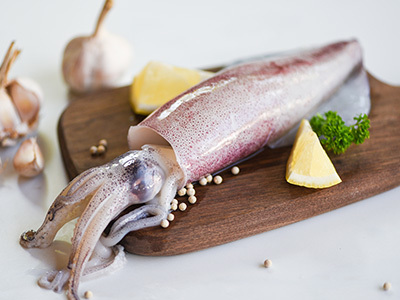
In terms of physical characteristics, Todarodes sagittatus can be identified by its elongated body, large eyes, and distinctive fins. The squid can grow to substantial sizes, with some individuals reaching lengths of over 50 centimeters. The flesh of this cephalopod is highly regarded for its culinary versatility and is often featured in various dishes, ranging from grilled preparations to seafood stews.
For seafood professionals, knowing the optimal harvesting times and methods for Todarodes sagittatus can greatly influence product quality. The squid tends to be more abundant during specific seasons, particularly in warmer months when spawning occurs. Employing sustainable fishing techniques, such as using designated trawl nets and adhering to catch limits, is crucial in preventing overfishing and ensuring long-term availability.
Moreover, the processing of Todarodes sagittatus requires careful handling to maintain freshness and quality. After harvest, it is essential to quickly chill the squid and manage its storage conditions to prevent spoilage. Educating consumers about the benefits of selecting sustainably sourced squid can also help drive market demand for responsibly harvested products.
In conclusion, Todarodes sagittatus represents not only a valuable resource for the seafood industry but also a species that requires careful management to ensure its sustainability. By understanding its ecological role, physical characteristics, and best practices for harvesting and processing, seafood professionals can contribute to the responsible use of this remarkable marine resource.
TAG:




Contact Information
Address: No. 1 Haitu Road, Xiangzhi Town, Shishi City, Fujian Province
QR Code

Enterprise official website