No. 1 Haitu Road, Xiangzhi Town, Shishi City, Fujian Province China

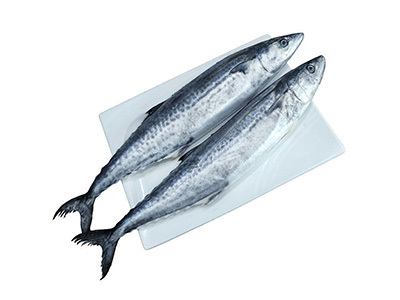
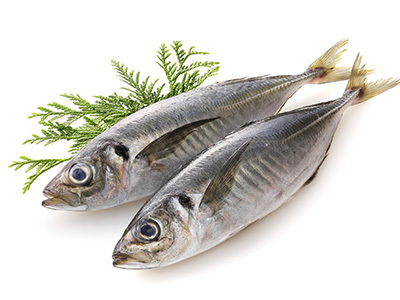
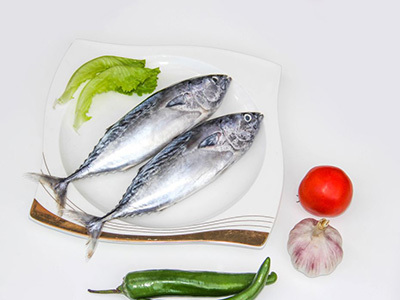
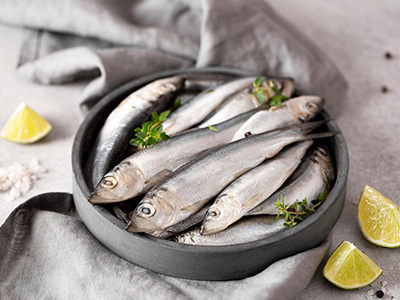
The Cultural Significance of Round Scad in Coastal Communities: A Deep Dive into Tradition, Economy, and Culinary Heritage
The Cultural Significance of Round Scad in Coastal Communities Round Scad, known scientifically as Decapterus spp., is more than just a fish; it is a vital component of the cultural, economic, and social fabric of many coastal communities around the globe. This article delves deep into the significance of Round Scad, exploring its culinary importance, economic impact, and the rich traditions that
Dec 14,2025
The Cultural Significance of Round Scad in Coastal Communities
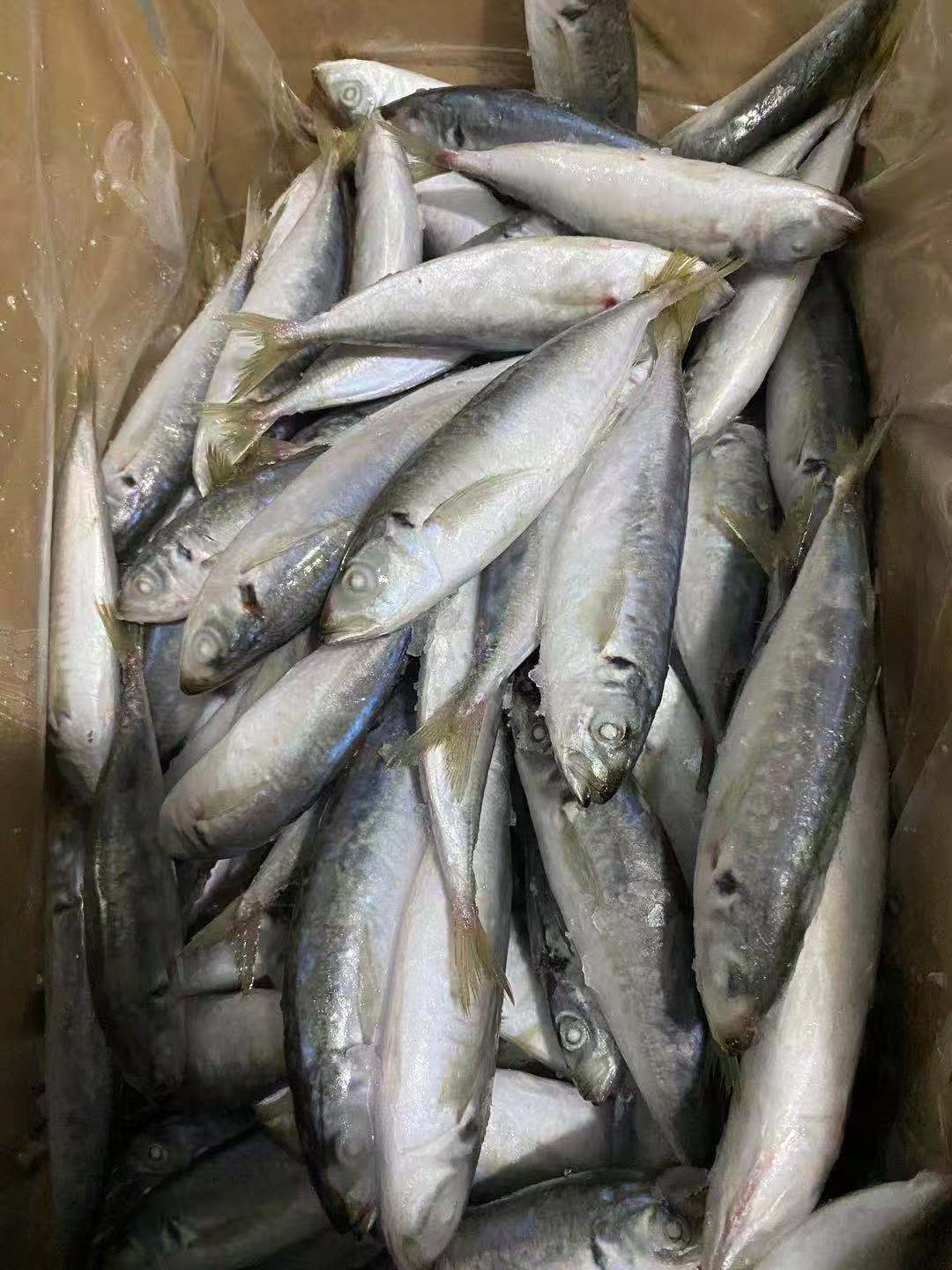
Round Scad, known scientifically as Decapterus spp., is more than just a fish; it is a vital component of the cultural, economic, and social fabric of many coastal communities around the globe. This article delves deep into the significance of Round Scad, exploring its culinary importance, economic impact, and the rich traditions that underscore its role in community life.
Table of Contents
- 1. Cultural Importance of Round Scad in Coastal Communities
- 2. Culinary Uses of Round Scad: From Catch to Table
- 3. Economic Impact of Round Scad Fishing
- 4. Environmental Sustainability and Round Scad Fisheries
- 5. Traditional Fishing Practices and Techniques
- 6. Community Initiatives Supporting Round Scad Fisheries
- 7. Challenges Facing Round Scad Fisheries
- 8. Future Prospects for Round Scad in Coastal Economies
- 9. Conclusion: The Enduring Legacy of Round Scad
- 10. FAQs
1. Cultural Importance of Round Scad in Coastal Communities
In many coastal regions, the presence of Round Scad is deeply intertwined with local customs and traditions. This fish has not only provided sustenance but has also fostered community bonds. Festivals celebrating the fishing season often feature Round Scad as a central dish, highlighting its importance in local cuisine and culture.
Communities often have traditional stories, songs, and art forms that celebrate the fishing life, with Round Scad being a recurring theme. This cultural significance is particularly pronounced in regions where fishing is a primary source of livelihood, reinforcing the identity of these coastal communities.
2. Culinary Uses of Round Scad: From Catch to Table
Round Scad is versatile in the kitchen—used in various dishes across different cultures. **Grilled, fried, and pickled**, this fish adapts well to numerous cooking styles. One popular preparation involves marinating the fish in a blend of local spices and grilling it over an open flame, creating a dish that embodies the coastal lifestyle.
In addition to traditional dishes, Round Scad is increasingly featured in gourmet recipes, reflecting a blend of old and new culinary practices. Its rich flavor and nutritious profile make it a favorite among chefs and home cooks alike. As more people seek sustainable sources of seafood, Round Scad’s popularity continues to rise.
3. Economic Impact of Round Scad Fishing
The fishing of Round Scad plays a pivotal role in the economies of coastal communities. It provides jobs, supports local markets, and contributes to the overall economic health of the region. **Fishermen rely on Round Scad as a stable source of income**, while local businesses benefit from the associated commerce, including processing, distribution, and retail.
Moreover, Round Scad fishing encourages tourism in some areas, as visitors flock to experience local markets or partake in fishing excursions. This influx of tourism provides additional income streams, further solidifying the economic importance of Round Scad.
4. Environmental Sustainability and Round Scad Fisheries
Sustainability is a growing concern in fisheries worldwide, and Round Scad is no exception. Many coastal communities are adopting sustainable fishing practices to ensure the long-term viability of Round Scad populations. These practices can include **regulating catch sizes, implementing seasonal fishing bans**, and promoting responsible fishing techniques.
Conservation efforts often involve collaboration between local governments, environmental organizations, and fishing communities to create a balanced approach that protects marine ecosystems while supporting livelihoods. These initiatives not only secure the future of Round Scad but also enhance the community’s connection to their natural resources.
5. Traditional Fishing Practices and Techniques
The methods used to catch Round Scad vary significantly across different regions, reflecting local traditions and environmental conditions. Traditional fishing techniques often involve artisanal practices that have been passed down through generations. Common methods include **net fishing, trap fishing, and handlining**, each with its unique cultural significance.
These practices are not only essential for catching fish but also serve as a means of preserving cultural heritage. Many communities conduct workshops and training sessions to pass on these techniques to younger generations, ensuring that their fishing heritage remains alive.
6. Community Initiatives Supporting Round Scad Fisheries
In some coastal regions, community-led initiatives are gaining traction to promote Round Scad fisheries. These initiatives may include **cooperative fishing ventures, educational programs, and awareness campaigns** about sustainable practices. By working together, community members can tackle challenges such as overfishing and environmental degradation more effectively.
Support from local governments and NGOs often enhances these initiatives, providing resources and knowledge to help communities thrive. The emphasis on collaboration fosters a shared sense of responsibility for preserving both the fishery and the cultural practices associated with it.
7. Challenges Facing Round Scad Fisheries
Despite its significance, Round Scad fisheries face various challenges, including overfishing, climate change, and pollution. Overfishing has led to declining populations in some areas, threatening the livelihoods of those dependent on this crucial resource.
Moreover, climate change affects marine ecosystems, altering fish migration patterns and breeding grounds. Pollution from coastal industrial activities further exacerbates these issues, leading to habitat degradation. Addressing these challenges requires a multifaceted approach, engaging not only local communities but also international stakeholders in fishery management.
8. Future Prospects for Round Scad in Coastal Economies
The future of Round Scad fisheries looks promising, provided that sustainable practices are adopted and community initiatives continue to thrive. As demand for sustainable seafood grows globally, Round Scad may find new markets, boosting its economic significance.
Technological advancements in fishing and processing can also enhance efficiency and sustainability. Communities that embrace innovation while honoring traditional practices may emerge stronger, ensuring that the cultural significance of Round Scad remains intact for generations to come.
9. Conclusion: The Enduring Legacy of Round Scad
In conclusion, Round Scad holds profound cultural, economic, and environmental significance for coastal communities. Its role extends beyond mere sustenance; it is a vital thread woven into the social fabric of these regions. As we continue to navigate the challenges facing fisheries, the commitment to preserving both the fish and the cultural heritage surrounding it is critical.
Emphasizing sustainable practices and community collaboration will ensure that Round Scad remains an integral part of coastal life, celebrated for its contributions to tradition, cuisine, and economy.
10. FAQs
1. What is Round Scad?
Round Scad, scientifically known as Decapterus spp., is a species of fish found in warm coastal waters. It is popular for its culinary versatility and economic significance in coastal communities.
2. Why is Round Scad culturally significant?
Round Scad is culturally significant as it is often central to local traditions, festivals, and culinary practices in coastal communities, fostering a sense of identity and heritage.
3. How is Round Scad prepared in local cuisines?
Round Scad can be grilled, fried, or pickled, and is often marinated with local spices to enhance its flavor, reflecting diverse culinary practices.
4. What challenges do Round Scad fisheries face?
Round Scad fisheries face challenges such as overfishing, climate change, and pollution, which threaten both fish populations and the livelihoods of fishing communities.
5. How can communities promote sustainability in Round Scad fisheries?
Communities can promote sustainability by adopting responsible fishing practices, engaging in conservation initiatives, and collaborating with local governments and NGOs to protect marine resources.




Contact Information
Address: No. 1 Haitu Road, Xiangzhi Town, Shishi City, Fujian Province
QR Code

Enterprise official website