No. 1 Haitu Road, Xiangzhi Town, Shishi City, Fujian Province China

A Comprehensive Guide to the Optimal Season for Harvesting Todarodes Sagittatus
A Comprehensive Guide to the Optimal Season for Harvesting Todarodes Sagittatus Table of Contents 1. Introduction to Todarodes Sagittatus 2. Understanding the Harvesting Seasons 2.1 Spring Harvesting 2.2 Summer Harvesting 2.3 Autumn Harvesting 2.4 Winter Harvesting 3. Environmental Factors Influencing Harvest 4. Opt
Dec 02,2025
A Comprehensive Guide to the Optimal Season for Harvesting Todarodes Sagittatus
Table of Contents
- 1. Introduction to Todarodes Sagittatus
- 2. Understanding the Harvesting Seasons
- 3. Environmental Factors Influencing Harvest
- 4. Optimal Techniques for Effective Harvesting
- 5. Sustainable Harvesting Practices
- 6. Common Misconceptions About Todarodes Sagittatus
- 7. Conclusion
- 8. FAQs about Harvesting Todarodes Sagittatus
1. Introduction to Todarodes Sagittatus
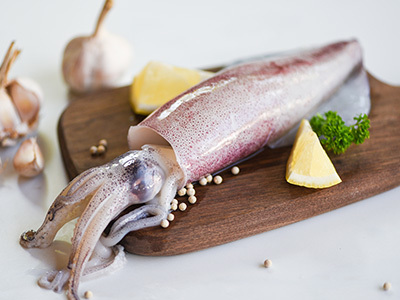
Todarodes Sagittatus, commonly known as the **longfin inshore squid**, is a highly sought-after species in the fishing industry. Renowned for its tender texture and rich flavor, it is a staple in various culinary traditions worldwide. Understanding when to harvest this species is essential for maximizing yield and ensuring sustainability. This comprehensive guide outlines the best seasons for harvesting Todarodes Sagittatus, helping you make informed decisions for your fishing practices.
2. Understanding the Harvesting Seasons
When it comes to harvesting Todarodes Sagittatus, timing plays a crucial role. Different seasons provide distinct advantages and challenges, affecting both the abundance and quality of the catch. Here, we delve into the specific characteristics of each season.
2.1 Spring Harvesting
Spring is often considered an ideal season for harvesting Todarodes Sagittatus. As the water begins to warm, these squids become more active and plentiful. Key points to consider during spring harvesting include:
- **Increased Activity**: As temperatures rise, Todarodes Sagittatus become more mobile, leading to higher catch rates.
- **Spawning Period**: Depending on the geographical location, spring may coincide with the breeding season, resulting in a significant population increase in certain areas.
To maximize your yield in spring, focus on areas with warmer waters and ample food sources, as these factors directly affect squid behavior and availability.
2.2 Summer Harvesting
Summer presents unique opportunities and challenges for harvesting Todarodes Sagittatus. As the temperature peaks, fishers should consider the following:
- **Optimal Water Temperatures**: The ideal temperature for Todarodes Sagittatus is between 18°C and 22°C. During summer, fishermen should target these temperature zones for better results.
- **Increased Competition**: With favorable conditions, fishing pressure from multiple vessels may increase. Employing innovative techniques can help you stand out from the competition.
Aside from considering environmental factors, effective fishing licenses and local regulations should also be closely monitored to ensure compliant harvesting practices.
2.3 Autumn Harvesting
As summer transitions to autumn, temperature fluctuations can affect the behavior of Todarodes Sagittatus. Fishermen should be prepared for these changes:
- **Migration Patterns**: Many squid species, including Todarodes Sagittatus, may migrate to deeper waters as the weather cools. Monitoring local migration patterns can aid in pinpointing active fishing areas.
- **Declining Water Temperatures**: As temperatures drop, the activity level of Todarodes Sagittatus may decline, leading to lower catch rates.
During autumn, it’s essential to adapt your strategies to focus on deeper waters and areas where squid may be congregating.
2.4 Winter Harvesting
Winter is often viewed as a challenging season for harvesting Todarodes Sagittatus due to colder temperatures and reduced activity levels. However, with the right approaches, successful harvesting is still possible:
- **Timing is Crucial**: The best time for winter harvesting is usually during warmer days when temperatures rise slightly. Early mornings or late afternoons can also yield better results.
- **Limited Availability**: Expect lower quantities of squid in winter months, which may require a shift in your fishing strategy—consider exploring new fishing grounds or using different bait.
Understanding winter dynamics can help you improve your chances of a successful harvest, even in less-favorable conditions.
3. Environmental Factors Influencing Harvest
Several environmental factors significantly influence the availability and quality of Todarodes Sagittatus. Here, we explore these factors in detail:
- **Water Temperature**: As previously discussed, water temperature directly affects squid behavior. Monitoring local temperature fluctuations can guide fishing strategies.
- **Salinity Levels**: Changes in salinity can impact food sources available to Todarodes Sagittatus, thus influencing their presence in certain areas.
- **Nutrient Availability**: A rich ecosystem full of nutrients promotes the growth of the food chain, leading to higher squid populations. Fishermen should pay attention to plankton blooms, as they can signal an abundance of available food.
- **Weather Conditions**: Storms and heavy rains can affect visibility and fishing conditions. Planning trips around weather patterns can enhance catch rates.
By understanding these environmental factors, fishermen can better predict the best times and locations for harvesting Todarodes Sagittatus.
4. Optimal Techniques for Effective Harvesting
Utilizing the right techniques is crucial for effective harvesting of Todarodes Sagittatus. Here are some optimal methods to consider:
- **Light Attraction**: Squids are naturally attracted to light sources. Employing artificial lights can significantly enhance your chances of attracting and catching them during nighttime excursions.
- **Using the Right Gear**: Selecting appropriate fishing gear, such as squid jigs, can increase your success. Lightweight jigs in various colors can entice squid, especially during their active feeding times.
- **Timing Your Fishery**: The best times to fish for Todarodes Sagittatus are during dusk and dawn when they are most active. Planning your trips during these hours can yield excellent results.
- **Avoiding Overfishing**: To ensure sustainability, avoid fishing in heavily populated areas and respect local regulations regarding size and quota limits.
Implementing these techniques can lead to more successful and sustainable harvesting of Todarodes Sagittatus.
5. Sustainable Harvesting Practices
Sustainability is imperative in the fishing industry. Here are some practices to consider for the sustainable harvesting of Todarodes Sagittatus:
- **Responsible Quotas**: Adhere strictly to local regulations regarding catch limits to ensure the long-term health of squid populations.
- **Selective Fishing**: Opt for fishing techniques that reduce bycatch and minimize harm to the ecosystem. Using specialized nets and jigs can help target only the desired species.
- **Monitoring Populations**: Participating in local monitoring programs can help gauge the health of Todarodes Sagittatus populations and inform future harvesting practices.
- **Community Engagement**: Collaborating with other local fishermen to share knowledge and strategies can foster a culture of sustainability within fishing communities.
By adopting these sustainable practices, we contribute positively to the ecosystem while ensuring that Todarodes Sagittatus remains plentiful for future generations.
6. Common Misconceptions About Todarodes Sagittatus
Several misconceptions exist regarding Todarodes Sagittatus that can affect harvesting practices. Let's address some of the most prevalent ones:
- **Misconception 1: Squid Are Only Available in Warm Weather**: While warmer temperatures often yield more active squid, Todarodes Sagittatus can still be found in cooler months by adjusting fishing techniques.
- **Misconception 2: All Squid Are the Same**: Different squid species have varying behaviors and habitats. Understanding the unique characteristics of Todarodes Sagittatus is essential for successful harvesting.
- **Misconception 3: Squid Only Feed at Night**: While they are more active at night, Todarodes Sagittatus can also feed during the day, especially in deeper waters.
Understanding these misconceptions can lead to better-informed fishing strategies and improved outcomes in harvesting efforts.
7. Conclusion
Harvesting Todarodes Sagittatus requires a keen understanding of seasonal dynamics, environmental factors, and effective fishing techniques. By focusing on the optimal harvest seasons and employing sustainable practices, we can ensure that this valuable resource remains abundant for future generations. As we continue to explore and refine our approaches to harvesting Todarodes Sagittatus, we also contribute to the overall health of our oceans.
8. FAQs about Harvesting Todarodes Sagittatus
1. What is the best time of year to harvest Todarodes Sagittatus?
The best time to harvest Todarodes Sagittatus is typically in spring and early summer when water temperatures rise, and squid activity increases.
2. How can I identify the best fishing spots for Todarodes Sagittatus?
Look for areas with warmer water temperatures, abundant food sources, and consider using local data on migration patterns to identify potential hotspots.
3. Are there specific techniques for catching Todarodes Sagittatus?
Yes, using light attraction, selecting the right jigs, and fishing during optimal times (dawn and dusk) are effective techniques for catching Todarodes Sagittatus.
4. What sustainability practices should I follow when harvesting squid?
Adhere to local catch limits, use selective fishing techniques, and engage in community monitoring programs to promote sustainability.
5. Can Todarodes Sagittatus be found year-round?
While they are more abundant in warmer months, Todarodes Sagittatus can still be found during cooler months, albeit in lower quantities. Adjusting your techniques is key to success.
This comprehensive guide aims to provide valuable insights into maximizing your harvests of Todarodes Sagittatus while promoting responsible and sustainable practices. By implementing these strategies, you can enhance your fishing success and contribute positively to the seafood industry.




Contact Information
Address: No. 1 Haitu Road, Xiangzhi Town, Shishi City, Fujian Province
QR Code

Enterprise official website