No. 1 Haitu Road, Xiangzhi Town, Shishi City, Fujian Province China

Understanding Frozen Bonito Fish: A Nutritional and Culinary Perspective
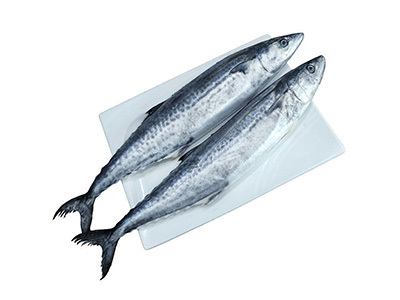
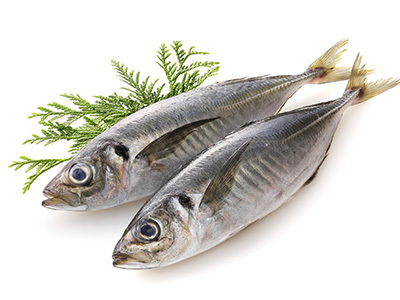
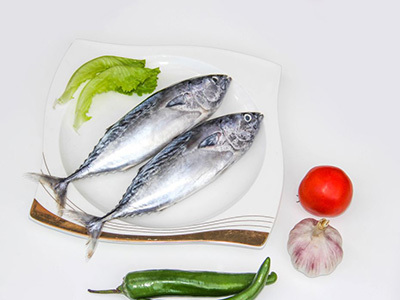
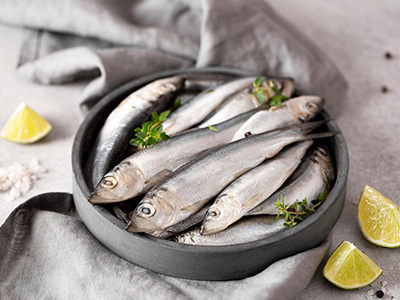
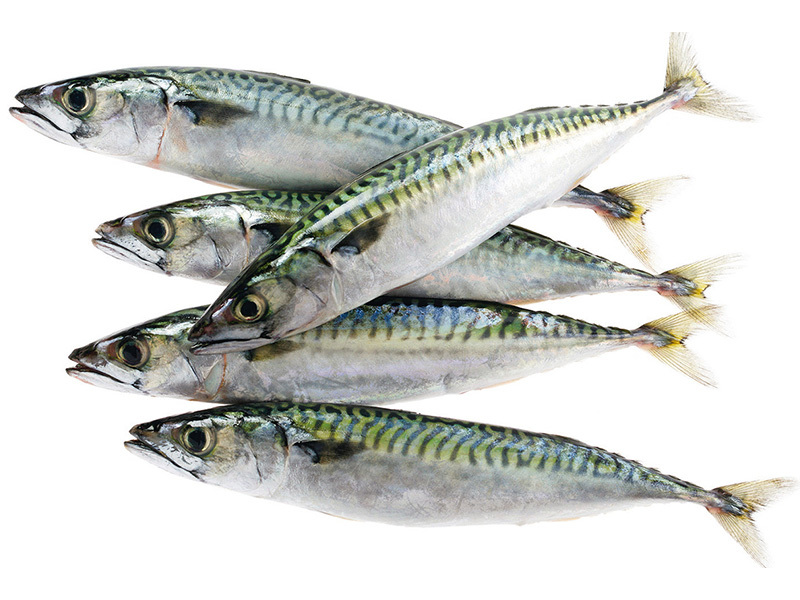
Frozen bonito fish, a member of the mackerel family, is celebrated for its rich flavor and versatility in various cuisines. Often found in Japanese dishes, bonito is particularly cherished for its umami taste, which enhances the overall flavor profile of meals. This fish is not only delicious but also packed with numerous health benefits, making it an excellent addition to any professional chef's
Nov 25,2025
Frozen bonito fish, a member of the mackerel family, is celebrated for its rich flavor and versatility in various cuisines. Often found in Japanese dishes, bonito is particularly cherished for its umami taste, which enhances the overall flavor profile of meals. This fish is not only delicious but also packed with numerous health benefits, making it an excellent addition to any professional chef's repertoire or a health-conscious individual's diet.
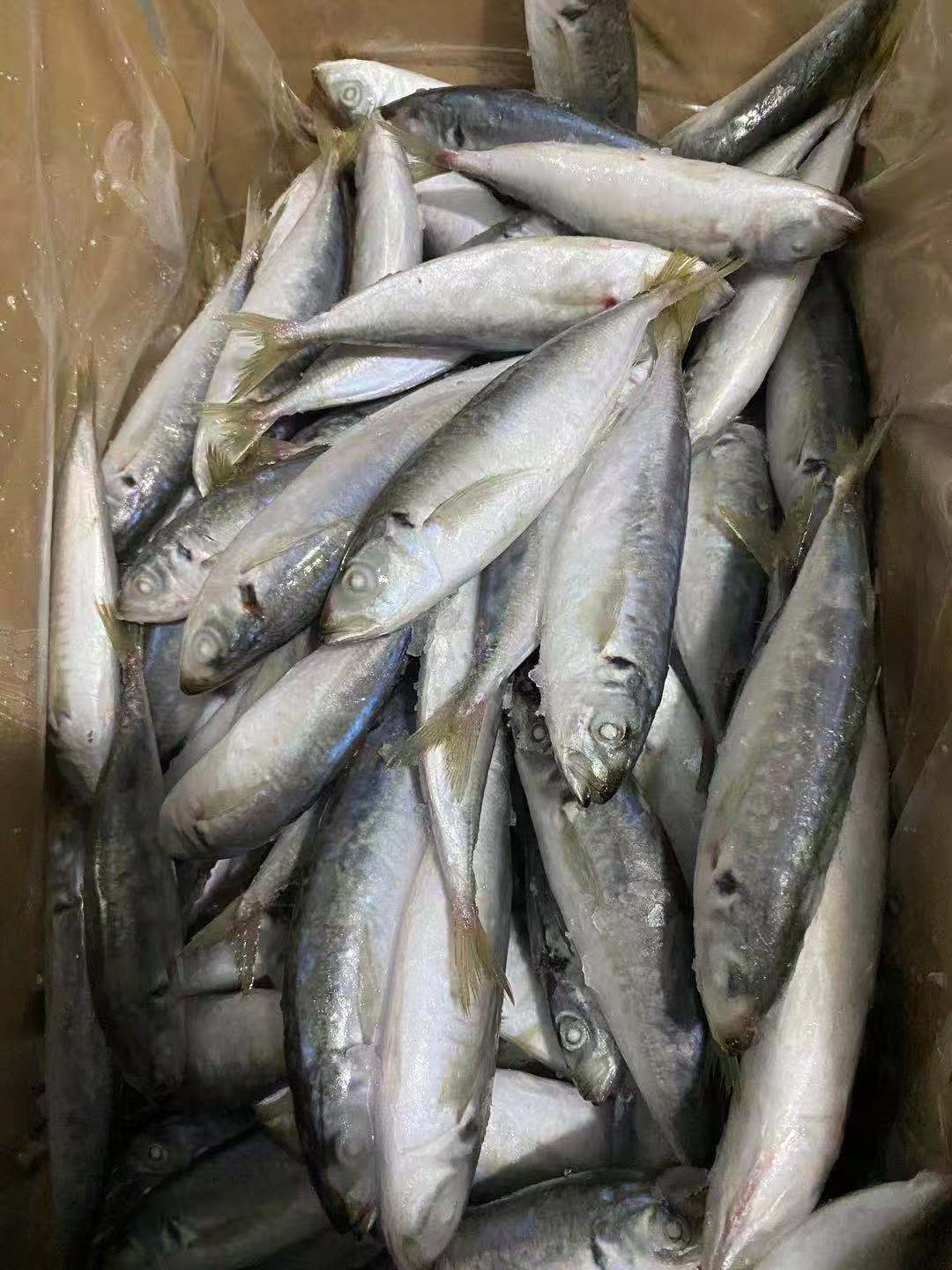
One of the primary advantages of frozen bonito fish is its convenience. Freezing preserves the freshness and nutritional content of the fish, allowing it to be stored for extended periods without significant loss of quality. This makes it an ideal choice for both home cooks and restaurant kitchens, where time and ingredient freshness are crucial. When properly thawed and prepared, frozen bonito can be as flavorful and nutritious as fresh fish.
Nutritionally, frozen bonito fish is a powerhouse. It is rich in protein, which is essential for muscle repair and growth, making it a great option for those looking to maintain a healthy diet. Additionally, bonito is a source of omega-3 fatty acids, which are known for their heart health benefits. These essential fats can help reduce inflammation, lower blood pressure, and support overall cardiovascular health. Regular consumption of omega-3-rich foods like frozen bonito can contribute significantly to a balanced diet.
In culinary applications, frozen bonito fish can be utilized in various ways. It can be grilled, seared, or used in soups and stews, allowing for creativity in meal preparation. In Japanese cuisine, bonito is often used in its dried form as bonito flakes, known as "katsuobushi," which are used to make dashi, a fundamental broth that forms the base of many dishes. When cooking with frozen bonito, it is essential to ensure proper thawing to maintain its texture and flavor. A gentle approach, such as overnight thawing in the refrigerator, is recommended to preserve the fish's integrity.
Moreover, the environmental impact of choosing frozen bonito should not be overlooked. Sustainable fishing practices are vital in ensuring that fish populations remain healthy and ecosystems balance. When sourcing frozen bonito, it is advisable to inquire about the fishing methods used to ensure they align with sustainable practices.
In summary, frozen bonito fish is a nutritious, versatile, and convenient seafood option that can elevate a wide range of dishes. With its health benefits and culinary flexibility, it remains a popular choice for both home cooks and professional chefs alike. Whether you're looking to enhance your culinary skills or improve your dietary habits, incorporating frozen bonito into your meals is a delicious and healthful choice.
TAG:




Contact Information
Address: No. 1 Haitu Road, Xiangzhi Town, Shishi City, Fujian Province
QR Code

Enterprise official website