No. 1 Haitu Road, Xiangzhi Town, Shishi City, Fujian Province China

How Round Scad Contributes to Marine Biodiversity: A Deep Dive into Its Ecological Importance
Understanding Round Scad and Its Role in Marine Biodiversity Round Scad, or Decapterus spp., is a critical species that plays a significant role in maintaining marine biodiversity. As a small pelagic fish found in tropical and subtropical waters, Round Scad is not just a staple for local fisheries; it is also an essential component of the oceanic food web. By understanding their ecological signifi
Nov 14,2025
Understanding Round Scad and Its Role in Marine Biodiversity
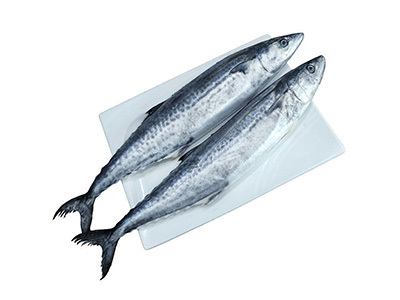
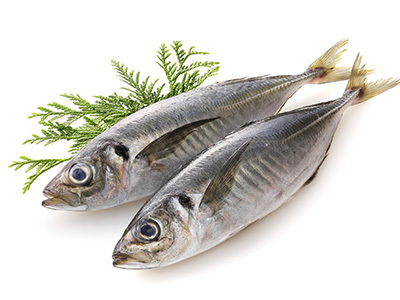
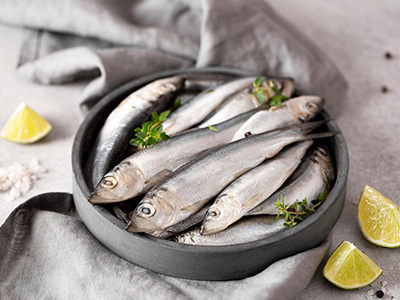
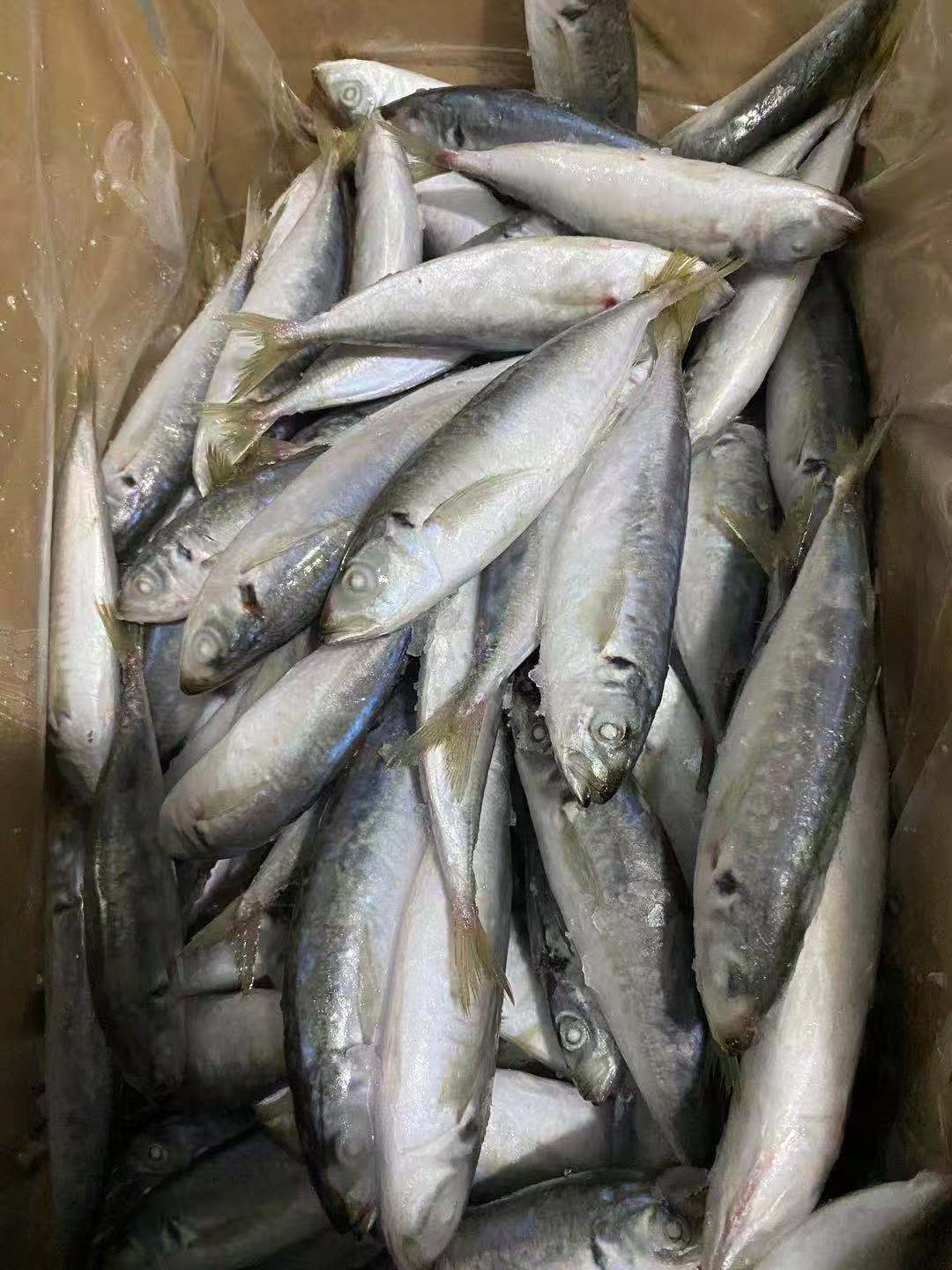
Round Scad, or Decapterus spp., is a critical species that plays a significant role in maintaining marine biodiversity. As a small pelagic fish found in tropical and subtropical waters, Round Scad is not just a staple for local fisheries; it is also an essential component of the oceanic food web. By understanding their ecological significance, we can better appreciate the role they play in our oceans and the wider implications for marine health.
The Ecological Significance of Round Scad
Round Scad serves as an important prey species for various marine predators, including larger fish, seabirds, and marine mammals. Their existence directly influences the population dynamics of these predators, making them a keystone species in their ecological niche. Without Round Scad, the balance of marine ecosystems could be disrupted, leading to overpopulation of predator species and depletion of other small fish populations.
Round Scad: A Keystone Species
Keystone species are those whose impact on their ecosystem is disproportionately large relative to their abundance. Round Scad fulfills this role by supporting a diverse range of marine life. Their high reproductive rates and adaptability to different environmental conditions make them a resilient species. This resilience helps ensure that they can continue to thrive even as ocean conditions change.
The Food Web Dynamics Involving Round Scad
In the marine food web, Round Scad primarily feeds on plankton, small crustaceans, and other microscopic organisms. In return, they become a vital food source for larger predatory fish such as tuna and mackerel, as well as sea turtles and dolphins. This bidirectional relationship highlights the interconnectedness of marine life and how the health of one species can affect many others.
Round Scad and Their Habitat Preferences
Understanding where Round Scad thrive helps us identify the critical habitats that sustain marine biodiversity. Typically found in coastal waters, they prefer areas with abundant plankton and warmer temperatures. Their tendency to form large schools enhances their survival, providing safety in numbers while also contributing to nutrient cycling in their habitats.
Impact of Environmental Factors on Round Scad Populations
Several environmental factors influence Round Scad populations, including water temperature, salinity, and available food sources. Climate change poses a significant threat by altering oceanic conditions, potentially leading to shifts in their distribution. Monitoring these changes is crucial for the management and conservation of Round Scad populations.
How Overfishing Affects Round Scad
Overfishing is a significant concern for Round Scad and other species in their ecosystem. As demand for this fish grows due to its popularity in culinary traditions, unsustainable fishing practices can lead to population declines. This reduction can have cascading effects on the entire marine food web, emphasizing the need for responsible fishing practices and effective management strategies.
Round Scad in the Culinary World
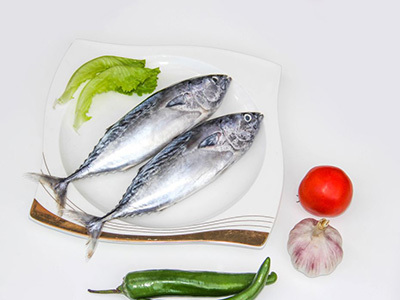
Round Scad has a rich culinary history, particularly in Southeast Asian cuisines. Known for its distinct flavor and versatility in cooking, this fish is often grilled, fried, or used in soups and stews. Its popularity not only highlights its importance as a food source but also underlines its economic value to local fishing communities.
Nutrition and Health Benefits of Round Scad
Beyond its culinary appeal, Round Scad is highly nutritious. Rich in omega-3 fatty acids, protein, and essential vitamins, it contributes to a healthy diet. Consuming Round Scad can support heart health, improve cognitive function, and provide essential nutrients that are often lacking in diets high in processed foods.
Economics and Sustainable Fishing Practices
The economic impact of Round Scad is significant for many coastal communities that rely on fishing for their livelihoods. Sustainable fishing practices, including regulated catch limits and eco-friendly fishing techniques, are essential to ensure that Round Scad populations remain healthy while supporting local economies. Educating fishermen about sustainable practices can help protect these vital resources for future generations.
Conservation Efforts for Round Scad
Conservation efforts aimed at protecting Round Scad populations are critical to maintaining marine biodiversity. Various organizations and governments are working to implement policies that promote sustainable fishing and protect critical habitats. These efforts include establishing marine protected areas (MPAs) and enforcing fishing regulations that limit catch sizes to sustainable levels.
The Role of Marine Protected Areas in Conservation
Marine protected areas are designated regions in oceans or seas where human activity is restricted to protect marine ecosystems. These areas can help preserve habitats crucial for Round Scad and other marine species, allowing populations to recover from overfishing. The success of these conservation efforts relies on community involvement and support.
Community Engagement and Education
Engaging local communities in conservation efforts is vital for ensuring the sustainability of Round Scad and marine biodiversity as a whole. Educational programs that focus on the ecological importance of Round Scad can foster a sense of stewardship among fishermen and consumers. By emphasizing the benefits of sustainable practices, communities can work together to protect their marine resources.
Future Outlook for Round Scad and Marine Biodiversity
The future of Round Scad and its contribution to marine biodiversity depends on our collective efforts to address environmental challenges. Climate change, pollution, and overfishing pose significant threats, and proactive measures are necessary to mitigate these risks. Continued research and monitoring of Round Scad populations are essential to understanding their role in changing marine ecosystems.
Research and Monitoring Initiatives
Ongoing research initiatives focused on Round Scad are crucial for gathering data on their populations, breeding habits, and environmental impacts. Collaboration between scientists, governments, and local communities can help develop effective management strategies that promote conservation while supporting economic needs.
International Cooperation for Marine Biodiversity
Marine biodiversity does not recognize national borders; thus, international cooperation is essential for effective conservation. Countries that share marine resources must work together to implement sustainable fishing practices and protect critical habitats. By fostering collaboration, we can enhance the resilience of Round Scad populations and the ecosystems they inhabit.
FAQs About Round Scad and Marine Biodiversity
1. What is Round Scad and where can it be found?
Round Scad, known scientifically as Decapterus spp., is a small pelagic fish found in tropical and subtropical waters, particularly in coastal areas rich in plankton.
2. Why are Round Scad important for marine biodiversity?
Round Scad serves as a crucial prey species for larger marine predators, influencing the balance of marine ecosystems and contributing to the overall health of oceanic environments.
3. How does climate change affect Round Scad populations?
Climate change alters oceanic conditions, such as water temperature and salinity, which can impact Round Scad distributions and reproductive success.
4. What culinary uses does Round Scad have?
Round Scad is popular in various cuisines, particularly in Southeast Asia, where it is often grilled, fried, or used in soups and stews due to its distinct flavor and nutritional benefits.
5. How can we ensure the sustainability of Round Scad populations?
Promoting sustainable fishing practices, engaging local communities in conservation efforts, and establishing marine protected areas are vital steps to ensure the long-term health of Round Scad populations.
Conclusion
Round Scad plays an indispensable role in marine biodiversity, serving as a keystone species that supports a diverse array of marine life. Their ecological significance, combined with their culinary and economic importance, underscores the need for continued conservation efforts and sustainable fishing practices. By prioritizing the health of Round Scad populations, we can help ensure the stability of marine ecosystems and the livelihoods of communities that depend on them. The future of our oceans relies on responsible stewardship and a commitment to preserving the delicate balance of marine life.




Contact Information
Address: No. 1 Haitu Road, Xiangzhi Town, Shishi City, Fujian Province
QR Code

Enterprise official website