No. 1 Haitu Road, Xiangzhi Town, Shishi City, Fujian Province China

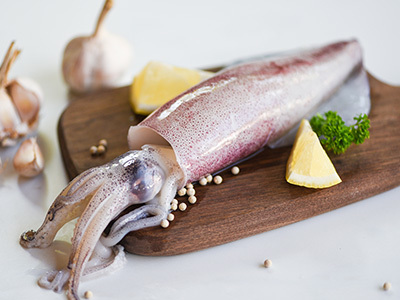
Understanding Todarodes Sagittatus: The Ecological and Culinary Significance of the European Flying Squid
The Todarodes sagittatus, or European flying squid, is a fascinating cephalopod species that inhabits the waters of the North Atlantic and Mediterranean Sea. Known for its unique ability to glide through the water, this squid has captured the attention of both scientists and culinary enthusiasts alike. Its ecological role is crucial in marine ecosystems, serving as both predator and prey, contribu
Nov 07,2025
One of the remarkable aspects of Todarodes sagittatus is its adaptability. This species thrives in various environments, from deep ocean waters to shallower coastal areas. Its diet primarily consists of small fish and crustaceans, making it a significant player in the food chain. By understanding the dietary habits and habitat preferences of this squid, researchers can gain insights into the health of marine ecosystems and the impacts of climate change on aquatic life.
From a nutritional standpoint, Todarodes sagittatus is a powerhouse. It is rich in protein, low in fat, and loaded with essential nutrients, including omega-3 fatty acids, vitamins, and minerals. This makes it an excellent choice for health-conscious consumers looking to incorporate seafood into their diet. The culinary applications of this squid are diverse; it can be grilled, fried, or used in a variety of dishes from different cultures. Its mild flavor and firm texture make it suitable for a range of preparations, enhancing the culinary experience.
While Todarodes sagittatus is celebrated for its culinary potential, it is also essential to consider sustainable fishing practices. The increasing demand for seafood necessitates responsible harvesting methods to ensure that this species, along with its habitat, remains protected. Consumers are encouraged to seek out sustainably sourced options, which not only support marine conservation efforts but also promote the health of our oceans.
In conclusion, Todarodes sagittatus is more than just a seafood option; it represents a vital component of marine ecosystems and a nutritious food source. By understanding its ecological importance, health benefits, and culinary versatility, consumers can make informed choices that contribute to both their well-being and the sustainability of marine resources. The next time you encounter this intriguing squid on your plate, you'll appreciate the rich tapestry of life it represents beneath the waves.




Contact Information
Address: No. 1 Haitu Road, Xiangzhi Town, Shishi City, Fujian Province
QR Code

Enterprise official website