No. 1 Haitu Road, Xiangzhi Town, Shishi City, Fujian Province China

Understanding Frozen Bonito Fish: A Comprehensive Guide for Professionals
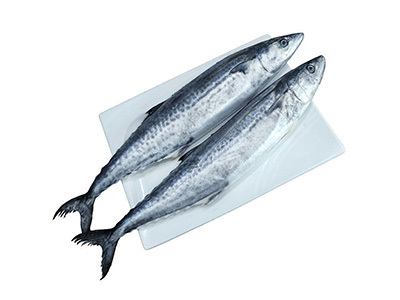
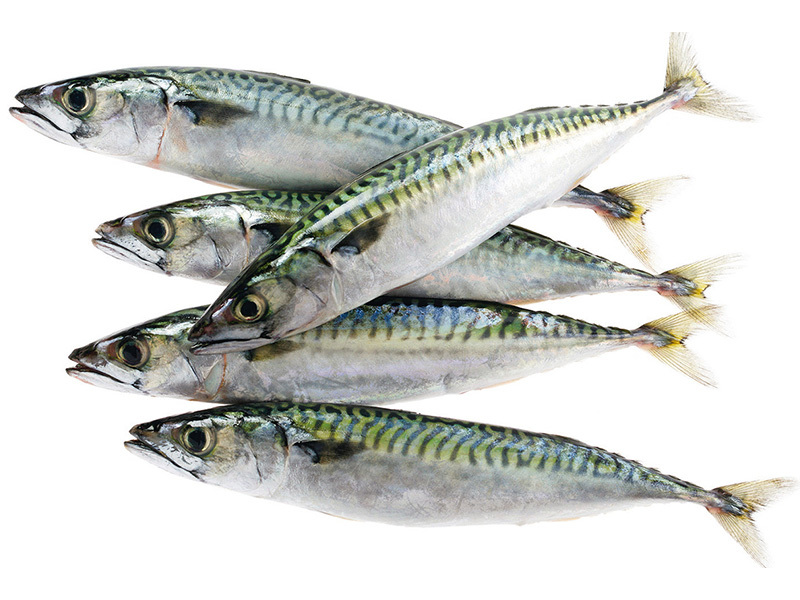
Frozen bonito fish, a popular choice in the seafood industry, is widely recognized for its rich flavor and versatility. Bonito, a member of the mackerel family, is known for its firm texture and distinct taste, making it a favored ingredient in various culinary traditions. When frozen, bonito fish retains its quality and flavor, allowing for year-round availability, which is essential for both res
Nov 05,2025
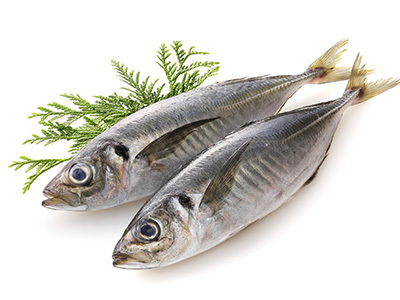
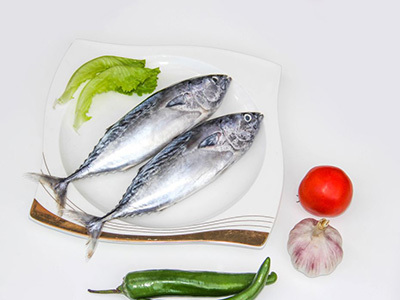
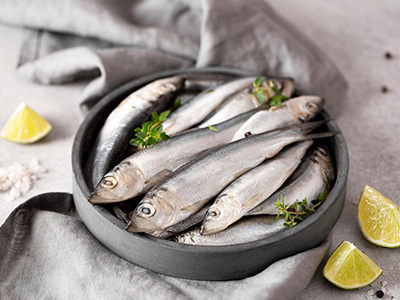
Frozen bonito fish, a popular choice in the seafood industry, is widely recognized for its rich flavor and versatility. Bonito, a member of the mackerel family, is known for its firm texture and distinct taste, making it a favored ingredient in various culinary traditions. When frozen, bonito fish retains its quality and flavor, allowing for year-round availability, which is essential for both restaurants and food distributors.
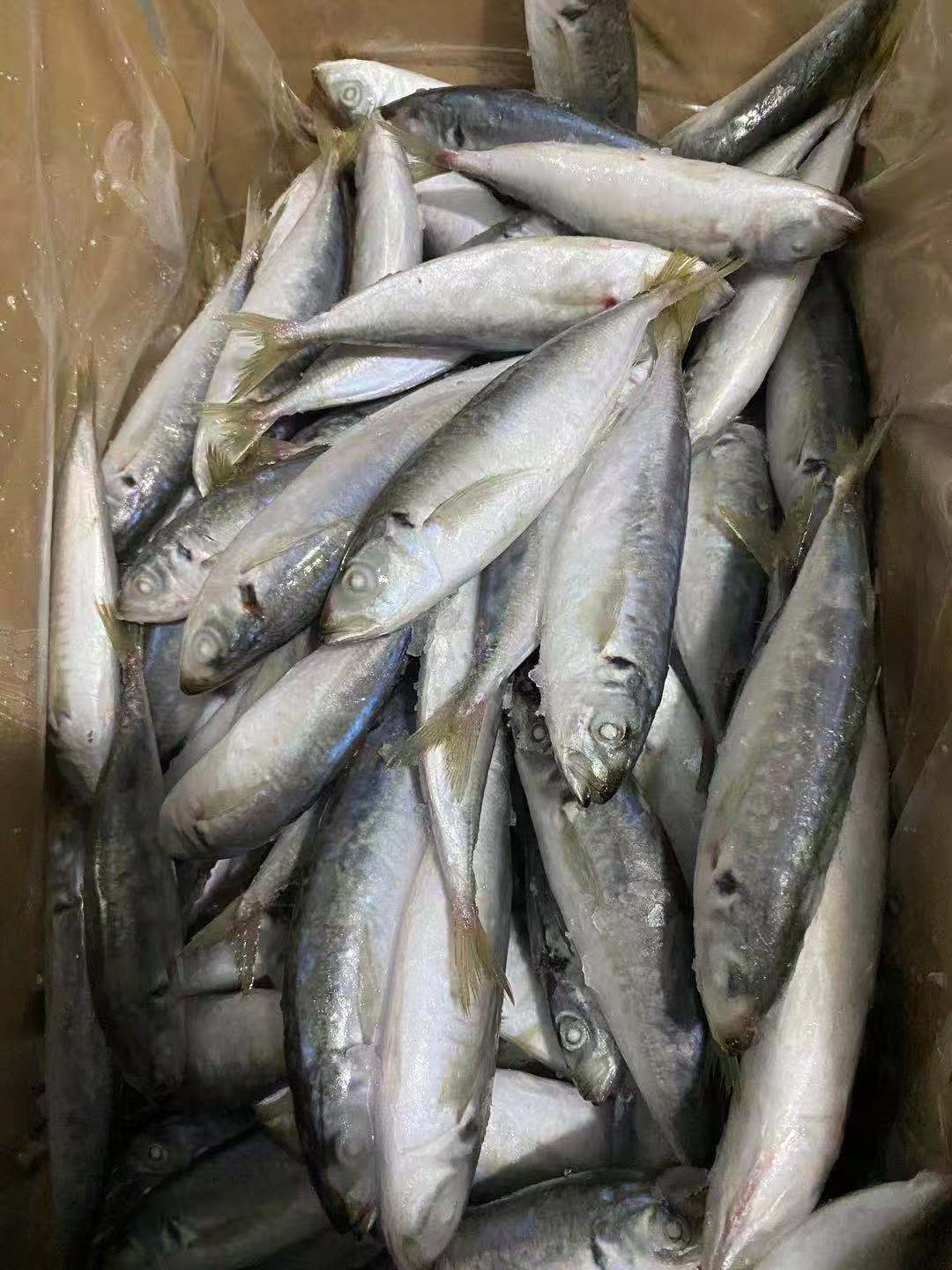
One of the critical aspects to consider when dealing with frozen bonito fish is its sourcing and processing. Quality control during the catch, transportation, and freezing process significantly impacts the final product's taste and texture. It is imperative for industry professionals to ensure that the bonito is frozen quickly after being caught to preserve its freshness and nutritional value. The freezing process halts enzymatic activity and helps to prevent spoilage, which is crucial for maintaining the fish's quality.
In terms of nutritional content, frozen bonito fish is an excellent source of protein and omega-3 fatty acids. These nutrients are essential for a healthy diet and contribute to various health benefits, including heart health and improved cognitive function. Additionally, bonito fish is low in fat and calories, making it an appealing option for health-conscious consumers.
When it comes to culinary applications, frozen bonito fish can be utilized in a range of dishes. It can be grilled, baked, or used in soups and stews. The firm texture allows for easy slicing, making it ideal for sashimi or sushi preparations. Moreover, bonito can be marinated or seasoned to enhance its natural flavors, providing chefs with versatility in menu development.
Handling frozen bonito fish requires adherence to specific guidelines to ensure food safety and quality. It is essential to keep the fish at a consistent freezing temperature to prevent freezer burn and to maintain its integrity. When thawing, it is recommended to do so in the refrigerator or under cold running water to avoid temperature fluctuations that could promote bacterial growth.
For those in the agricultural and food sectors, understanding the market demand for frozen bonito fish is vital. The increasing consumer interest in seafood products has led to a rise in the popularity of bonito, particularly in Asian cuisine. Staying informed about market trends and consumer preferences can help businesses make strategic decisions regarding procurement and product offerings.
In conclusion, frozen bonito fish stands out as a valuable product in the seafood industry due to its rich flavor, nutritional benefits, and culinary versatility. For professionals in the agriculture and food sectors, understanding the intricacies of sourcing, handling, and preparing frozen bonito fish is essential for capitalizing on its growing market presence.
TAG:




Contact Information
Address: No. 1 Haitu Road, Xiangzhi Town, Shishi City, Fujian Province
QR Code

Enterprise official website