No. 1 Haitu Road, Xiangzhi Town, Shishi City, Fujian Province China

The Journey of Todarodes Sagittatus from Ocean to Table: A Comprehensive Exploration
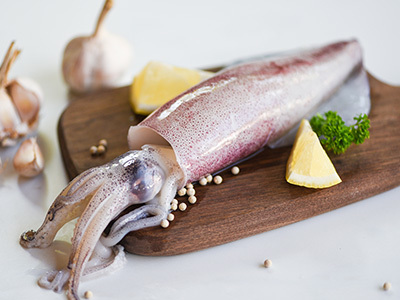
The Journey of Todarodes Sagittatus from Ocean to Table Todarodes Sagittatus, commonly referred to as the European flying squid, has captured the interest of chefs, seafood enthusiasts, and marine biologists alike. This remarkable cephalopod not only contributes to marine biodiversity but also plays a significant role in the culinary world, particularly in various cuisines across Europe and Asia.
Nov 02,2025
The Journey of Todarodes Sagittatus from Ocean to Table
Todarodes Sagittatus, commonly referred to as the European flying squid, has captured the interest of chefs, seafood enthusiasts, and marine biologists alike. This remarkable cephalopod not only contributes to marine biodiversity but also plays a significant role in the culinary world, particularly in various cuisines across Europe and Asia. In this article, we will take a detailed look at the life cycle of Todarodes Sagittatus, its habitat, fishing methods, processing techniques, and culinary applications. Join us as we explore its captivating journey from the ocean depths to your plate.
Table of Contents
- Introduction to Todarodes Sagittatus
- Biological Characteristics of Todarodes Sagittatus
- Natural Habitat and Distribution
- Sustainable Fishing Methods for Todarodes Sagittatus
- Processing and Preservation Techniques
- Culinary Uses and Popular Dishes
- Nutritional Benefits of Todarodes Sagittatus
- Sustainability Issues and Conservation Efforts
- Conclusion
- FAQs about Todarodes Sagittatus
Introduction to Todarodes Sagittatus
Todarodes Sagittatus is a fascinating species of squid that belongs to the family Ommastrephidae. Known for its distinctive shape and remarkable ability to glide above water, this species has garnered attention not just for its unique physical traits but also for its ecological significance. Understanding the journey of Todarodes Sagittatus from ocean to table involves exploring various aspects of its life cycle, fishing methods, and its role in global culinary practices.
Biological Characteristics of Todarodes Sagittatus
With an elongated body that can reach lengths of up to 60 centimeters, Todarodes Sagittatus showcases several fascinating features. This squid is characterized by its parrot-like beak, large eyes, and eight arms lined with suckers. Its unique anatomy allows for rapid movement and agility, making it a proficient predator in the ocean.
**Key Characteristics**:
- **Coloration**: The squid typically displays a range of colors, from light pink to reddish-brown, which can change based on its environment, aiding in camouflage.
- **Reproductive Cycle**: Todarodes Sagittatus has a complex reproductive cycle involving spawning in deep waters where fertilized eggs develop into larvae before moving to shallower regions.
- **Diet**: This squid primarily feeds on fish, crustaceans, and other cephalopods, employing its quick reflexes and intelligence to capture prey.
Natural Habitat and Distribution
The natural habitat of Todarodes Sagittatus spans various marine environments, primarily found in the northeastern Atlantic Ocean and the Mediterranean Sea. These squids thrive in temperate waters, often favoring depths between 200 to 600 meters, where they can find ample food sources and suitable conditions for reproduction.
**Notable Distribution Areas**:
- **Eastern North Atlantic**: From the waters off Iceland to the coasts of Portugal.
- **Mediterranean Sea**: Commonly found in both the western and eastern parts of the Mediterranean.
- **Biscay Bay**: A significant region for fishing Todarodes Sagittatus, renowned for its rich marine ecosystem.
Sustainable Fishing Methods for Todarodes Sagittatus
As the demand for Todarodes Sagittatus continues to rise, sustainable fishing practices have become imperative to ensure the longevity of this species. Fishermen employ various techniques to catch these squids, balancing efficiency and environmental impact.
**Common Fishing Techniques**:
- **Trawling**: A widely used method where nets are dragged along the sea floor to capture squids and other marine life.
- **Jigging**: This technique involves using lures designed to mimic the movement of prey, attracting the squid for capture. It is often seen as a more sustainable method due to its selective nature.
- **Longlining**: Involves setting long lines with baited hooks, targeting squids without excessive bycatch.
Processing and Preservation Techniques
Once harvested, Todarodes Sagittatus undergoes several processing steps to ensure freshness and quality. Proper handling is crucial to enhance flavor and maintain nutritional value.
**Processing Steps**:
- **Cleaning**: Squids are thoroughly cleaned to remove innards and skin, preparing them for culinary uses.
- **Freezing**: Quick-freezing techniques are employed to preserve the texture and flavor of the squid, making it suitable for distribution and sale.
- **Drying and Smoking**: In some cultures, Todarodes Sagittatus is dried or smoked to create unique flavors and prolong shelf life.
Culinary Uses and Popular Dishes
In the culinary world, Todarodes Sagittatus is celebrated for its versatility and rich flavor. It can be prepared in numerous ways, making it a favorite among chefs and home cooks.
**Popular Dishes Featuring Todarodes Sagittatus**:
- **Grilled Squid Salad**: A popular dish in Mediterranean cuisine, featuring grilled squid drizzled with olive oil and lemon.
- **Stuffed Squid**: Often filled with rice, herbs, and spices, then baked or grilled for a flavorful meal.
- **Squid Ink Pasta**: A delicacy that incorporates squid ink, adding a unique flavor and color to pasta dishes.
Nutritional Benefits of Todarodes Sagittatus
Todarodes Sagittatus is not only delicious but also packed with beneficial nutrients. Including this squid in your diet can offer various health advantages.
**Nutritional Highlights**:
- **High in Protein**: Todarodes Sagittatus is an excellent source of lean protein, making it ideal for muscle maintenance and growth.
- **Rich in Omega-3 Fatty Acids**: These essential fatty acids support cardiovascular health and brain function.
- **Low in Calories**: A healthy option for those looking to maintain or lose weight without sacrificing flavor.
Sustainability Issues and Conservation Efforts
Despite its popularity, the sustainability of Todarodes Sagittatus is a concern due to overfishing and environmental changes. It is vital to implement conservation efforts to protect its populations and habitats.
**Conservation Strategies**:
- **Regulating Fishing Quotas**: Implementing and enforcing quotas can help maintain the population of Todarodes Sagittatus.
- **Promoting Sustainable Practices**: Encouraging fishermen to adopt environmentally friendly techniques ensures the health of marine ecosystems.
- **Research and Monitoring**: Continued research on squid populations and their habitats is essential for effective management and conservation efforts.
Conclusion
The journey of Todarodes Sagittatus from ocean to table is a remarkable tale of nature's bounty. From its unique biological characteristics and natural habitat to sustainable fishing methods and culinary applications, every step in this journey is intertwined with the health of marine ecosystems and human culinary traditions. By understanding and respecting this journey, we can enjoy the rich flavors of Todarodes Sagittatus while also ensuring its sustainability for future generations. As consumers and enthusiasts of seafood, we hold the power to promote sustainable practices that benefit both our plates and our planet.
FAQs about Todarodes Sagittatus
1. What is Todarodes Sagittatus?
Todarodes Sagittatus is a species of squid known as the European flying squid, found predominantly in the northeastern Atlantic Ocean and the Mediterranean Sea.
2. How is Todarodes Sagittatus typically caught?
Common fishing methods include trawling, jigging, and longlining, with an emphasis on sustainable practices to protect their populations.
3. What are the nutritional benefits of Todarodes Sagittatus?
This squid is high in protein, rich in omega-3 fatty acids, and low in calories, making it a nutritious addition to any diet.
4. How can Todarodes Sagittatus be prepared?
It can be grilled, stuffed, or used in pasta dishes, showcasing its versatility in various culinary traditions.
5. Are there sustainability concerns related to Todarodes Sagittatus?
Yes, overfishing and environmental changes pose threats to its populations, which is why conservation efforts and sustainable fishing practices are crucial.




Contact Information
Address: No. 1 Haitu Road, Xiangzhi Town, Shishi City, Fujian Province
QR Code

Enterprise official website