No. 1 Haitu Road, Xiangzhi Town, Shishi City, Fujian Province China



Understanding Todarodes Sagittatus: A Valuable Cephalopod in Seafood
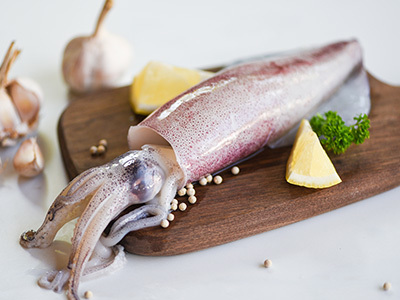
Todarodes Sagittatus, commonly referred to as the European flying squid, belongs to the cephalopod family and plays a significant role in the marine ecosystem and the seafood industry. This species is characterized by its distinctive elongated body and unique ability to glide through the water, earning it the name "flying squid." It is primarily found in the North Atlantic Ocean, particularly in t
Oct 18,2025
Todarodes Sagittatus, commonly referred to as the European flying squid, belongs to the cephalopod family and plays a significant role in the marine ecosystem and the seafood industry. This species is characterized by its distinctive elongated body and unique ability to glide through the water, earning it the name "flying squid." It is primarily found in the North Atlantic Ocean, particularly in the Mediterranean Sea and around European coastal waters.
One of the most notable features of Todarodes Sagittatus is its adaptability to various marine environments. This squid species typically inhabits both shallow and deep waters, exhibiting a preference for areas with abundant food sources. Their diet consists mainly of small fish, crustaceans, and other marine organisms, which they capture using their remarkable tentacles lined with suckers. This predatory behavior not only keeps their population in check but also supports a balanced marine ecosystem.
From a culinary perspective, Todarodes Sagittatus is highly regarded for its tender and flavorful meat, making it a popular choice among seafood lovers. The squid can be prepared in numerous ways, including grilling, frying, and boiling, which enhances its natural taste and texture. Its versatility in the kitchen makes it an ideal ingredient for a wide range of dishes, from traditional Mediterranean recipes to contemporary fusion cuisine.
In addition to its culinary appeal, Todarodes Sagittatus holds economic importance in the seafood market. Fishermen target this species during specific seasons when their populations are abundant, contributing to local fisheries and the overall economy. Sustainable fishing practices are essential for managing Todarodes Sagittatus populations, ensuring that they remain plentiful without depleting their numbers. By implementing responsible harvesting techniques, stakeholders in the seafood industry can help preserve this valuable resource for future generations.
Moreover, the nutritional benefits of Todarodes Sagittatus cannot be overlooked. It is a source of high-quality protein, low in fat, and rich in essential vitamins and minerals, making it a healthy addition to a balanced diet. Consumers are increasingly seeking out nutritious seafood options, and the inclusion of this squid species in their meals can promote better health and well-being.
In conclusion, Todarodes Sagittatus exemplifies the intersection of ecological significance and culinary delight within the seafood industry. Understanding its biological traits, culinary versatility, and economic impact can provide valuable insights for businesses involved in agriculture and seafood production. By promoting sustainable practices and appreciating the unique qualities of this cephalopod, stakeholders can contribute to a thriving seafood ecosystem while satisfying the growing demand for high-quality aquatic products.
TAG:




Contact Information
Address: No. 1 Haitu Road, Xiangzhi Town, Shishi City, Fujian Province
QR Code

Enterprise official website