No. 1 Haitu Road, Xiangzhi Town, Shishi City, Fujian Province China



Ultimate Guide: How to Identify Fresh Todarodes Sagittatus in the Market
Ultimate Guide: How to Identify Fresh Todarodes Sagittatus in the Market Table of Contents Introduction to Todarodes Sagittatus Why Freshness Matters Physical Characteristics of Fresh Todarodes Sagittatus Color Indicators Texture Analysis Optimal Size for Selection Sensory Evaluation Techniques Assessing Freshness by Smell Taste Testing for Qua
Oct 03,2025
Ultimate Guide: How to Identify Fresh Todarodes Sagittatus in the Market
Table of Contents
- Introduction to Todarodes Sagittatus
- Why Freshness Matters
- Physical Characteristics of Fresh Todarodes Sagittatus
- Sensory Evaluation Techniques
- Sourcing Tips for Fresh Todarodes Sagittatus
- Proper Storage and Preparation Techniques
- Common Mistakes to Avoid
- Conclusion
- Frequently Asked Questions
Introduction to Todarodes Sagittatus
Todarodes Sagittatus, commonly known as longfin inshore squid, is a delicacy enjoyed in various global cuisines. Recognized for its tender texture and mild flavor, this squid is a versatile ingredient in numerous dishes. However, the key to enjoying its unique taste lies in selecting **fresh** specimens. In this guide, we will delve into how to identify fresh Todarodes Sagittatus in the market, ensuring that you make informed choices for your culinary endeavors.
Why Freshness Matters
Freshness is paramount when it comes to seafood, particularly for Todarodes Sagittatus. Fresh squid not only retains its flavor and texture but also offers better nutritional value. Consuming fresh squid reduces the risk of foodborne illness, which can arise from spoiled products. Therefore, understanding how to assess freshness is crucial for both health and culinary satisfaction.
Physical Characteristics of Fresh Todarodes Sagittatus
Identifying fresh Todarodes Sagittatus can primarily be achieved through careful observation of its physical characteristics. Here are the essential indicators to look for:
Color Indicators
Fresh Todarodes Sagittatus exhibits a vibrant, shiny appearance. The skin should possess a mix of translucent and opaque hues, often displaying varied shades of pink, white, and some subtle blues or greens. Dull or faded colors signal that the squid may no longer be fresh.
Texture Analysis
The texture of the flesh is another vital indicator of freshness. Fresh squid should feel firm and slightly springy when pressed. If the flesh is mushy or separates easily, it likely indicates spoilage.
Optimal Size for Selection
When selecting Todarodes Sagittatus, consider the size. Smaller squid tend to be more tender and flavorful compared to larger ones, which may have tougher flesh. Aim for squid that are around 1 to 2 pounds for optimal taste.
Sensory Evaluation Techniques
In addition to visual assessments, sensory evaluations such as smell and taste can further enhance your ability to identify fresh Todarodes Sagittatus.
Assessing Freshness by Smell
The aroma of fresh squid should be mild and briny, reminiscent of the ocean. A strong, fishy odor or any unpleasant smells are red flags indicating that the squid is not fresh.
Taste Testing for Quality
If possible, tasting a small piece of cooked Todarodes Sagittatus can provide insights into its freshness. Fresh squid will have a delicate, slightly sweet flavor, while older squid may taste overly fishy or rubbery.
Sourcing Tips for Fresh Todarodes Sagittatus
When shopping for Todarodes Sagittatus, consider these tips to ensure you find the freshest products:
1. **Know Your Source:** Purchase from reputable fishmongers or seafood markets that have a good turnover of products.
2. **Ask Questions:** Don’t hesitate to ask the seller about the squid's origin and how long it has been in their inventory.
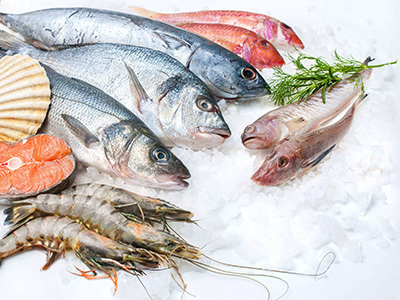
3. **Look for Ice:** Fresh squid should be displayed on ice. If the squid is sitting in its own liquid or not adequately chilled, it may not be fresh.
Proper Storage and Preparation Techniques
Once you have selected your fresh Todarodes Sagittatus, proper storage is essential to maintain its quality. Store the squid in the coldest part of your refrigerator and consume it within 1-2 days for optimum freshness. If you need to store it for longer, consider freezing the squid.
Common Mistakes to Avoid
Here are some common pitfalls to avoid when selecting and handling Todarodes Sagittatus:
1. **Ignoring the Source:** Always buy from trusted suppliers.
2. **Overlooking Visual Cues:** Don’t just rely on smell; look for color and texture as well.
3. **Improper Storage:** Always keep your squid chilled to prevent spoilage.
Conclusion
In conclusion, identifying fresh Todarodes Sagittatus requires careful attention to physical characteristics, sensory evaluations, and sourcing practices. By following the guidelines outlined in this article, you can confidently select the best squid for your culinary needs. Fresh Todarodes Sagittatus not only enhances the flavor of your dishes but also ensures a safe and satisfying dining experience.
Frequently Asked Questions
1. How can I tell if Todarodes Sagittatus is frozen or fresh?
Look for signs of frost or ice crystals on the surface. Fresh squid will have a sleek, shiny appearance, while frozen squid may appear dull.
2. What is the best way to clean and prepare Todarodes Sagittatus?
Clean the squid by removing the head, innards, and skin. Rinse thoroughly under cold water before cooking.
3. Can I eat Todarodes Sagittatus raw?
Yes, fresh Todarodes Sagittatus can be consumed raw, especially in dishes like sushi or sashimi, provided it has been properly handled and stored.
4. How long can I store fresh Todarodes Sagittatus in the fridge?
Fresh Todarodes Sagittatus can be stored in the refrigerator for 1-2 days. For longer storage, consider freezing it.
5. What are some popular dishes made with Todarodes Sagittatus?
Todarodes Sagittatus can be prepared in various ways, including grilling, frying, or adding to pasta dishes. It's versatile and pairs well with a range of flavors.
TAG:




Contact Information
Address: No. 1 Haitu Road, Xiangzhi Town, Shishi City, Fujian Province
QR Code

Enterprise official website