No. 1 Haitu Road, Xiangzhi Town, Shishi City, Fujian Province China

Frozen Pacific Mackerel vs. Fresh: What You Need to Know for Optimal Nutrition
Frozen Pacific Mackerel vs. Fresh: What You Need to Know for Optimal Nutrition Table of Contents Introduction to Pacific Mackerel Nutritional Benefits of Pacific Mackerel Frozen vs. Fresh: A Detailed Comparison Storage and Shelf Life of Mackerel Preparation and Cooking Methods Environmental Impact and Sustainability Cost Comparison: Frozen vs. Fresh Mackerel Cons
Sep 17,2025
Frozen Pacific Mackerel vs. Fresh: What You Need to Know for Optimal Nutrition
Table of Contents
- Introduction to Pacific Mackerel
- Nutritional Benefits of Pacific Mackerel
- Frozen vs. Fresh: A Detailed Comparison
- Storage and Shelf Life of Mackerel
- Preparation and Cooking Methods
- Environmental Impact and Sustainability
- Cost Comparison: Frozen vs. Fresh Mackerel
- Consumer Tips for Buying Mackerel
- FAQs: Frozen vs. Fresh Pacific Mackerel
- Conclusion: Making the Best Choice for You
Introduction to Pacific Mackerel
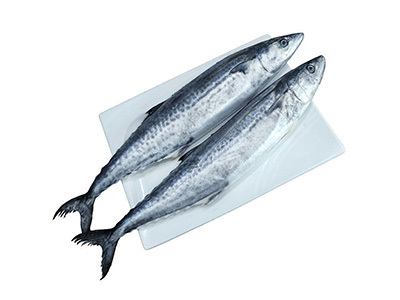
Pacific mackerel, known scientifically as *Scomber japonicus*, is a popular fish widely consumed in various cuisines due to its distinct flavor and versatility. Found primarily in the Pacific Ocean, this oily fish is known for its rich omega-3 fatty acid content and high protein levels. Whether you choose fresh or frozen, understanding the differences between these options will help you enjoy this nutritious seafood to the fullest.
Nutritional Benefits of Pacific Mackerel
Pacific mackerel is not just a culinary delight; it's a powerhouse of nutrition. Below are some key nutritional highlights that make mackerel a worthy addition to your diet.
Rich in Omega-3 Fatty Acids
One of the standout features of Pacific mackerel is its high content of omega-3 fatty acids. These essential fats are linked to numerous health benefits, including reduced inflammation, improved heart health, and enhanced cognitive function. Regular consumption of omega-3-rich foods like mackerel can help support overall wellness.
High Protein Content
Mackerel is an excellent source of protein, providing about 20-25 grams per 100 grams of fish. This makes it an ideal choice for individuals looking to increase their protein intake, whether for muscle-building or general health.
Vitamins and Minerals
In addition to omega-3s and protein, Pacific mackerel is packed with essential vitamins and minerals. It contains significant amounts of vitamin D, which is crucial for bone health, and vitamin B12, which supports nerve function and the formation of red blood cells. Furthermore, mackerel is rich in selenium, a vital antioxidant that helps protect cells from damage.
Frozen vs. Fresh: A Detailed Comparison
When deciding between frozen and fresh Pacific mackerel, several factors come into play. Each option has its advantages and potential drawbacks.
Fresh Mackerel: Pros and Cons
**Pros:**
- **Flavor and Texture:** Fresh mackerel typically offers superior flavor and a firmer texture, making it a favorite among seafood enthusiasts.
- **Nutrient Retention:** Fresh fish may contain higher nutrient levels compared to frozen, especially if consumed shortly after being caught.
**Cons:**
- **Shelf Life:** Fresh mackerel has a shorter shelf life and must be consumed or cooked within a couple of days of purchase.
- **Availability:** Depending on the season and location, fresh mackerel may not always be readily available.
Frozen Mackerel: Pros and Cons
**Pros:**
- **Convenience:** Frozen mackerel is widely available and can be stored for several months, making it a convenient option for meal planning.
- **Cost-Effective:** Frozen fish is often more affordable than fresh, especially when purchased in bulk.
**Cons:**
- **Texture Changes:** Freezing can alter the texture of the fish, sometimes resulting in a softer bite when cooked.
- **Flavor Differences:** While freezing preserves most nutrients, the flavor may be less pronounced compared to fresh fish.
Storage and Shelf Life of Mackerel
Proper storage is crucial to maintaining the quality of both fresh and frozen mackerel.
Storing Fresh Mackerel
Fresh mackerel should be stored in the coldest part of your refrigerator and consumed within 1-2 days of purchase. To maximize freshness, keep it in its original packaging or wrap it tightly in plastic wrap or foil.
Storing Frozen Mackerel
Frozen mackerel should be kept at a consistent temperature of 0°F (-18°C) to maintain its quality. When properly stored, frozen mackerel can last for about 6-12 months. To prevent freezer burn, ensure that the packaging is airtight.
Preparation and Cooking Methods
Both fresh and frozen Pacific mackerel can be prepared using various methods, each enhancing its rich flavor.
Cooking Fresh Mackerel
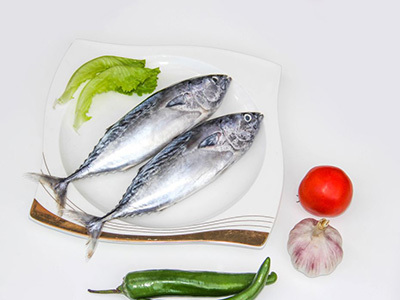
Fresh mackerel is versatile and can be grilled, baked, or pan-fried. Many chefs recommend marinating fresh mackerel with herbs and spices to enhance its flavor. Cooking times will vary based on thickness, but it typically takes about 10-15 minutes to cook thoroughly.
Cooking Frozen Mackerel
When cooking frozen mackerel, there is no need to thaw it beforehand. It can be cooked directly from frozen, although cooking times may increase slightly. Simply bake or grill the fish until it reaches an internal temperature of 145°F (63°C).
Environmental Impact and Sustainability
Sustainability is a pressing concern in the seafood industry. Mackerel populations are generally considered to be stable, but responsible sourcing is vital.
Choosing Sustainable Options
When purchasing Pacific mackerel, look for labels indicating sustainable fishing practices. Certifications from organizations like the Marine Stewardship Council (MSC) can guide consumers in making environmentally responsible choices.
Cost Comparison: Frozen vs. Fresh Mackerel
Cost can be a significant factor when choosing between fresh and frozen mackerel.
Price Points
Fresh mackerel can often be more expensive due to its shorter shelf life and procurement costs. Prices can fluctuate based on seasonality and location. On the other hand, frozen mackerel is typically more affordable, especially when bought in larger quantities, making it a budget-friendly option for families.
Consumer Tips for Buying Mackerel
When shopping for Pacific mackerel, whether fresh or frozen, consider the following tips:
Inspecting Fresh Mackerel
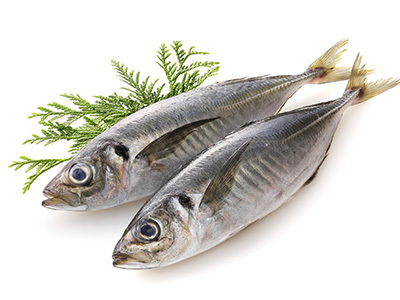
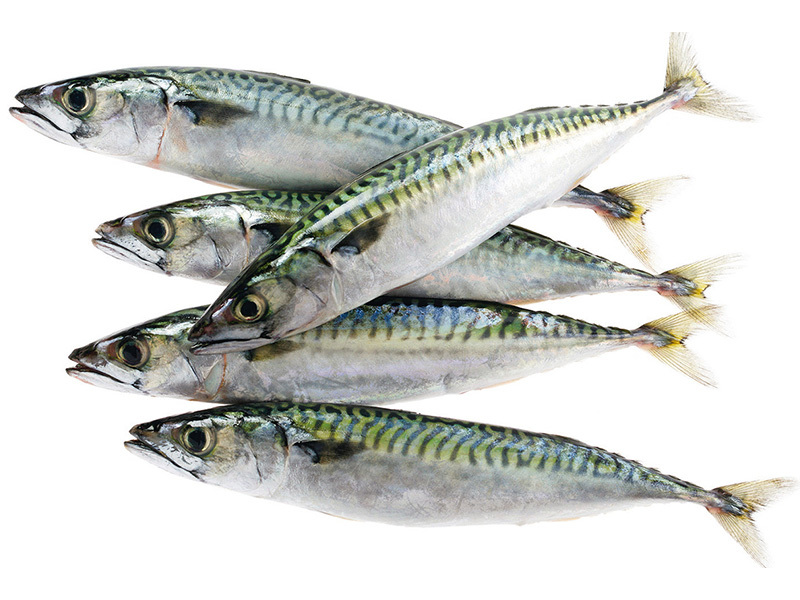
Look for firm, shiny skin and bright eyes when selecting fresh mackerel. The fish should have a mild ocean scent, and avoid any with a strong fishy odor.
Choosing Frozen Mackerel
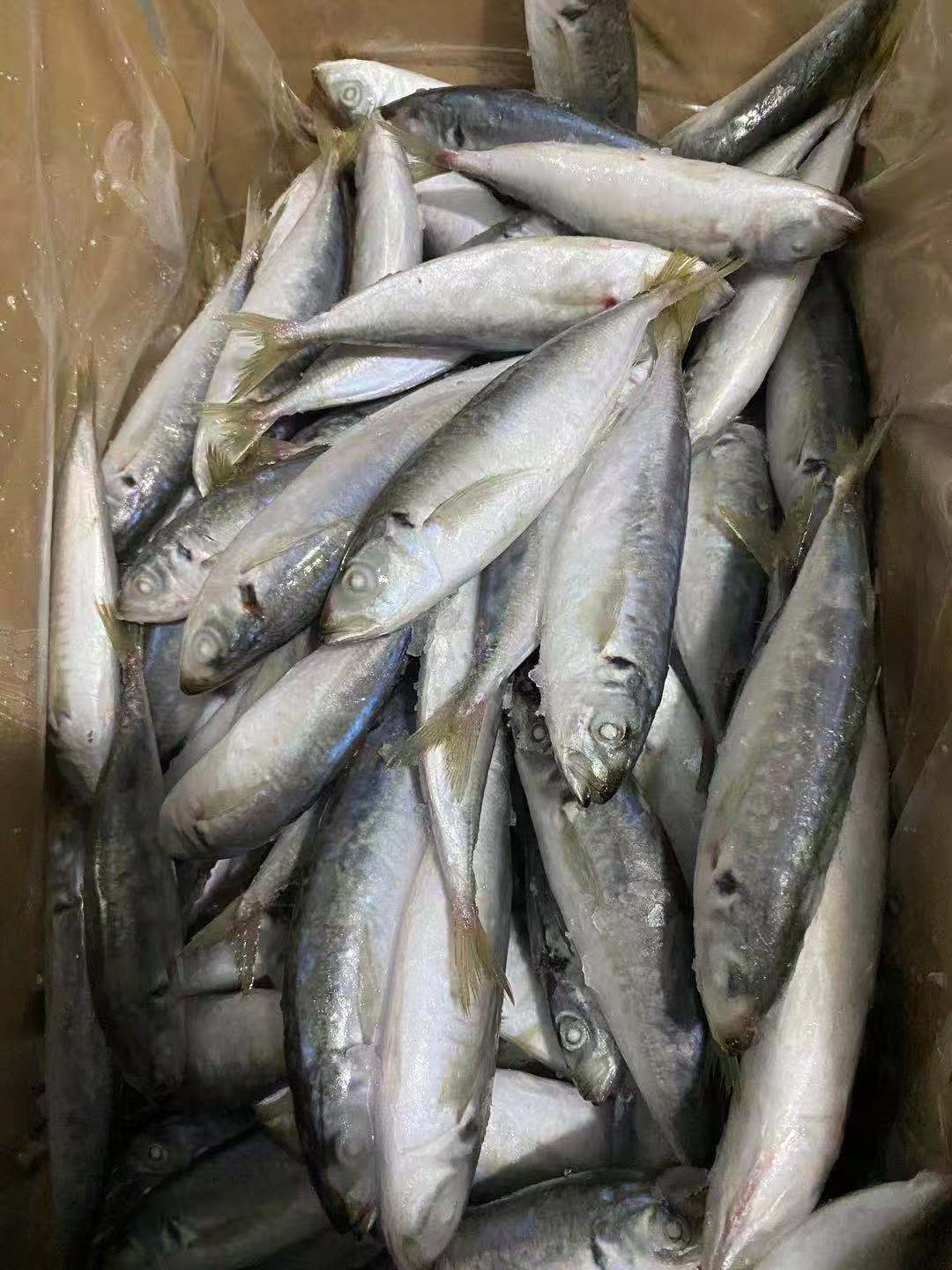
For frozen mackerel, check the packaging for any signs of frost or ice crystals, as these may indicate thawing and refreezing, which can affect quality. Opt for vacuum-sealed options when possible.
FAQs: Frozen vs. Fresh Pacific Mackerel
1. Is frozen mackerel as nutritious as fresh mackerel?
Yes, frozen mackerel retains most of its nutritional value. However, fresh may have slightly higher levels of certain nutrients, especially if consumed shortly after being caught.
2. Can you cook frozen mackerel without thawing it first?
Absolutely! You can cook frozen mackerel directly without thawing; just add a few extra minutes to the cooking time.
3. How long does fresh mackerel last in the fridge?
Fresh mackerel typically lasts 1-2 days in the refrigerator.
4. What is the best cooking method for mackerel?
Grilling and baking are popular methods that enhance the flavor of mackerel, but pan-frying works well too.
5. How do I know if mackerel is sustainably sourced?
Look for certifications from reputable organizations like the Marine Stewardship Council (MSC) when purchasing mackerel.
Conclusion: Making the Best Choice for You
Choosing between frozen and fresh Pacific mackerel ultimately depends on your personal preferences and lifestyle. While fresh mackerel offers superior flavor and texture, frozen mackerel provides convenience and cost-effectiveness. Both options are rich in nutrients, making them excellent choices for a healthy diet. By understanding the nutritional benefits, storage methods, and cooking techniques for each type, you can enjoy this delicious seafood while making informed choices that suit your needs.




Contact Information
Address: No. 1 Haitu Road, Xiangzhi Town, Shishi City, Fujian Province
QR Code

Enterprise official website