No. 1 Haitu Road, Xiangzhi Town, Shishi City, Fujian Province China

Understanding Frozen Bonito Fish: A Comprehensive Guide for Industry Professionals
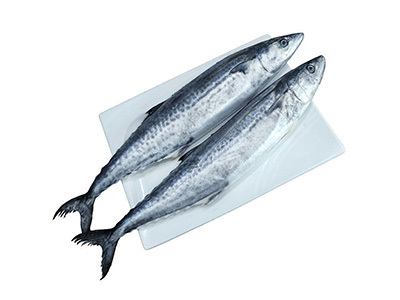
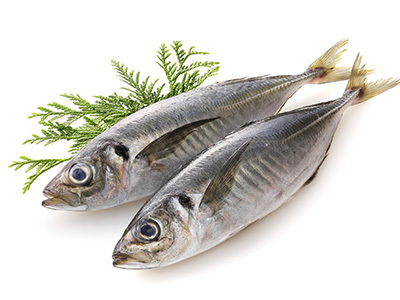
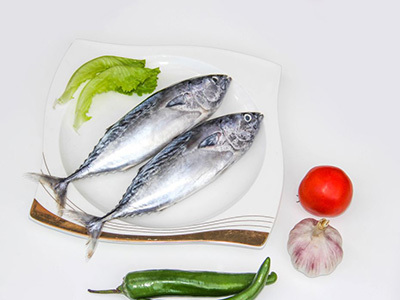
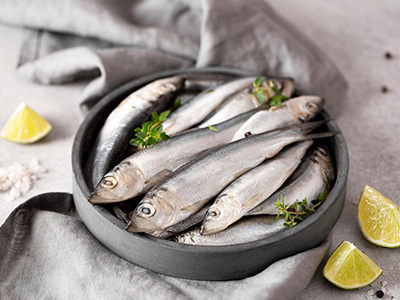
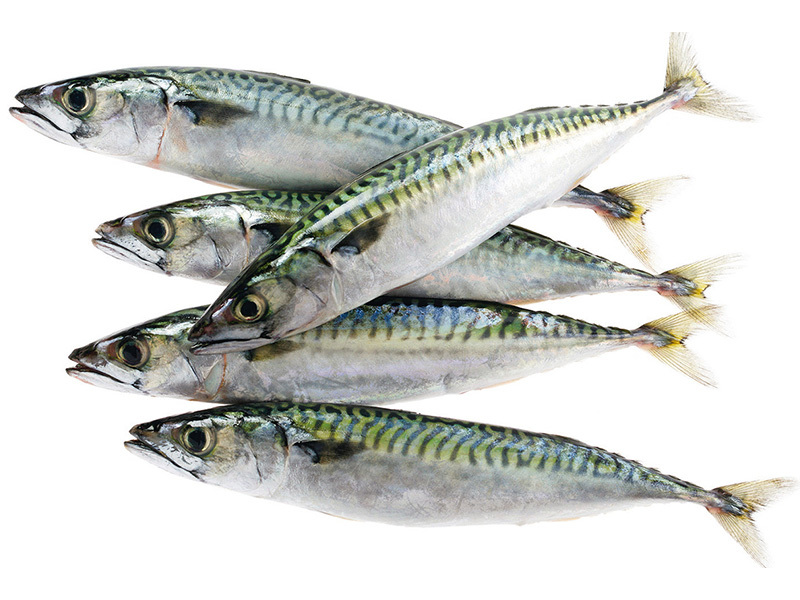
Frozen bonito fish, a member of the mackerel family, is highly regarded in the seafood industry for its rich flavor and versatile culinary uses. As an essential ingredient in numerous dishes, understanding the characteristics, handling, and applications of frozen bonito fish can significantly enhance product quality and customer satisfaction. Frozen bonito is typically processed quickly after catc
Sep 11,2025
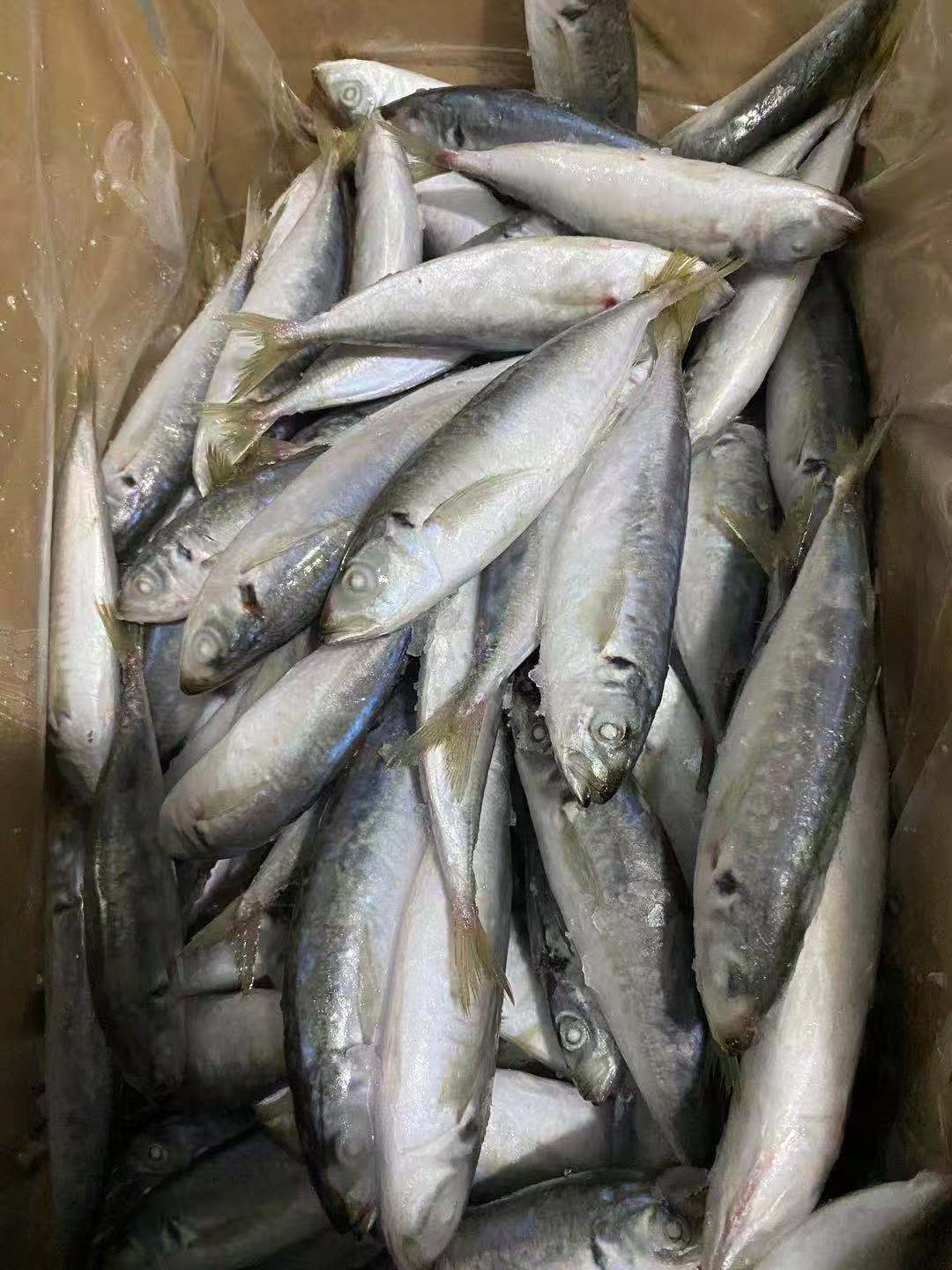
Frozen bonito is typically processed quickly after catch to preserve its freshness and nutritional value. This rapid freezing helps to maintain the fish's texture, flavor, and overall quality, making it an ideal option for both restaurants and households. When selecting frozen bonito, professionals should look for fish that has been frozen at sea or immediately after catch, ensuring the highest quality and taste.
One of the key benefits of using frozen bonito fish is its long shelf life. Properly stored at consistently low temperatures, frozen bonito can retain its quality for several months. This allows businesses to maintain inventory without the risk of spoilage, making it a practical choice for seafood suppliers and restaurants alike. Additionally, the convenience of frozen products allows for easier portion control and preparation in busy kitchens.
In terms of culinary applications, frozen bonito fish is incredibly versatile. It can be grilled, baked, or even used in sushi and sashimi preparations. The distinct flavor profile of bonito enhances various dishes, from traditional Asian recipes to Mediterranean cuisine. Professionals can experiment with different seasoning techniques and cooking methods to create unique and appealing dishes that cater to diverse consumer preferences.
When handling frozen bonito, it is crucial to follow food safety practices. Fish should be thawed in the refrigerator or under cold running water, as this helps to prevent the growth of harmful bacteria. Once thawed, it is advisable to cook the fish promptly for optimal taste and safety. Additionally, maintaining proper storage conditions post-thawing is essential to ensure quality is preserved until ready to serve.
Frozen bonito fish is not only a delicious ingredient but also offers significant nutritional benefits. Rich in omega-3 fatty acids and high-quality protein, it supports heart health and overall well-being. This makes it an attractive option for health-conscious consumers, further driving demand within the seafood market.
In conclusion, frozen bonito fish is a valuable asset in the agricultural food sector, particularly within the seafood industry. By understanding its characteristics, benefits, and culinary applications, industry professionals can leverage this product to enhance their offerings and satisfy the growing consumer demand for high-quality seafood.




Contact Information
Address: No. 1 Haitu Road, Xiangzhi Town, Shishi City, Fujian Province
QR Code

Enterprise official website