No. 1 Haitu Road, Xiangzhi Town, Shishi City, Fujian Province China

Understanding Round Scad: A Marvel of Aquatic Food Sources
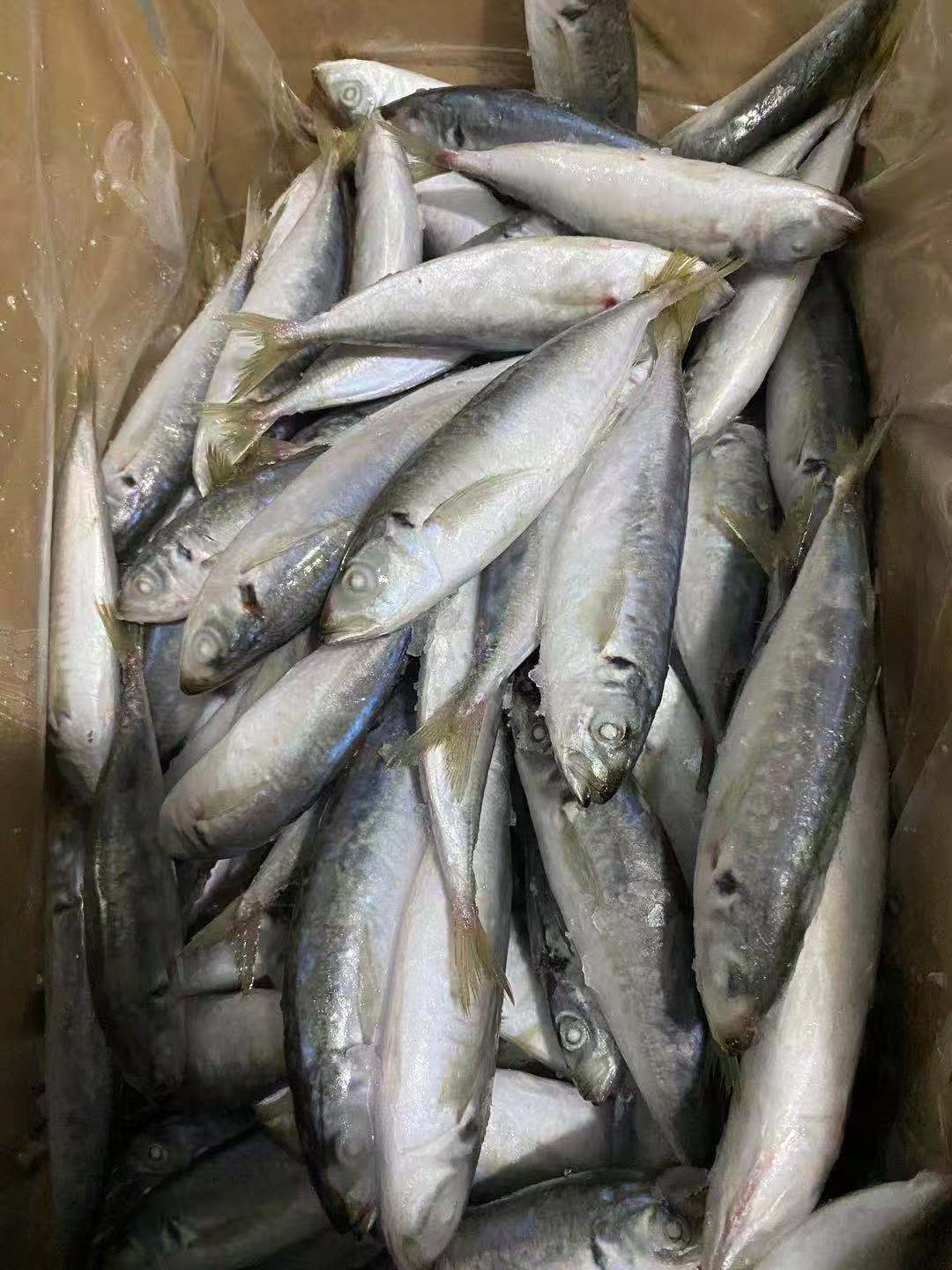
Round Scad, often recognized for its importance in the fishing industry, is a vital species within the aquatic food chain. As a member of the Carangidae family, this fish is not only commercially important but also plays a significant role in marine ecosystems. Understanding Round Scad can provide valuable insights for professionals in agriculture and food sectors, particularly those focusing on s
Sep 10,2025
Round Scad, often recognized for its importance in the fishing industry, is a vital species within the aquatic food chain. As a member of the Carangidae family, this fish is not only commercially important but also plays a significant role in marine ecosystems. Understanding Round Scad can provide valuable insights for professionals in agriculture and food sectors, particularly those focusing on seafood.
One of the key characteristics of Round Scad is its high adaptability to different marine environments. This fish thrives in warm waters and is typically found in the Indo-Pacific region. Its presence in both coastal and offshore waters makes it an essential catch for many fishing communities. Round Scad is not only consumed locally but is also exported, making it a staple in various cuisines around the world.
From a nutritional standpoint, Round Scad is an excellent source of protein and essential fatty acids. These nutrients are vital for maintaining health and well-being, making this fish a popular choice among health-conscious consumers. The meat of Round Scad is known for its firm texture and rich flavor, which can be prepared in numerous ways, from grilling to frying, ensuring its place in diverse culinary traditions.
Moreover, the fishing practices surrounding Round Scad highlight the importance of sustainable fishing methods. Many fisheries are now adopting responsible practices to ensure that Round Scad populations remain viable for future generations. This includes regulating catch sizes and implementing seasonal closures to allow for population recovery. Professionals in the agriculture and food industries must be aware of these practices, as they not only impact fish populations but also the overall health of marine ecosystems.
The ecological significance of Round Scad extends beyond its role as a food source. As a forage fish, it serves as prey for larger predators, including tuna and various seabirds. This highlights the interconnectedness of marine species and underscores the importance of preserving Round Scad habitats. Sustainable practices not only protect the species but also contribute to the resilience of marine ecosystems.
In conclusion, understanding Round Scad provides valuable insights into the broader implications of fishing practices and food sustainability. As industry professionals, recognizing the importance of this fish can lead to better decision-making regarding seafood sourcing, contributing to healthier ecosystems and communities. By promoting sustainable practices and advocating for responsible consumption, we can ensure that Round Scad remains a staple in our diets while supporting the health of our oceans.
TAG:




Contact Information
Address: No. 1 Haitu Road, Xiangzhi Town, Shishi City, Fujian Province
QR Code

Enterprise official website