No. 1 Haitu Road, Xiangzhi Town, Shishi City, Fujian Province China



Understanding Todarodes Sagittatus: Insights into a Unique Cephalopod Species
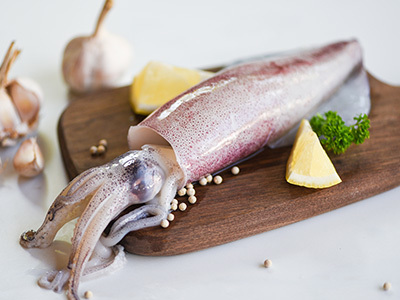
Todarodes Sagittatus, commonly known as the European flying squid, is a species belonging to the family Ommastrephidae. As a pelagic squid, it is predominantly found in the North Atlantic Ocean and adjacent waters, making it of particular interest to fisheries and marine biologists. This squid species is characterized by its elongated body, large eyes, and distinctive fins, which give it the abili
Aug 29,2025
One of the most notable aspects of Todarodes Sagittatus is its rapid growth rate, which allows it to reach maturity within a year. This fast growth makes it an appealing target for commercial fisheries, as it can provide a relatively quick return on investment. Furthermore, these squids exhibit a unique reproductive strategy, with females laying thousands of eggs in a single spawning event. This prolific breeding contributes to their population resilience, although it also necessitates responsible management practices to ensure sustainability.
In terms of diet, Todarodes Sagittatus primarily feeds on smaller fish, crustaceans, and other cephalopods, positioning it as both a predator and prey within the marine ecosystem. Understanding its feeding habits is crucial for fisheries aiming to sustainably harvest this species. Effective management of their populations requires knowledge of their ecological interactions and the impact of environmental changes on their distribution and abundance.
From a culinary perspective, Todarodes Sagittatus is known for its versatile taste and texture, making it a popular choice in various dishes across different cultures. The squid's firm flesh holds up well during cooking, which opens up numerous possibilities for preparation methods, including grilling, frying, and sautéing. Educating consumers and chefs about the culinary potential of this seafood can enhance market demand and appreciation.
To maximize the benefits of Todarodes Sagittatus in the agricultural and seafood industries, stakeholders must prioritize sustainable fishing practices and ecological research. By maintaining healthy populations and understanding their ecological significance, we can ensure that this remarkable species continues to thrive in our oceans while providing economic benefits to fishing communities.
In conclusion, Todarodes Sagittatus is more than just a cephalopod; it is a vital part of the marine ecosystem and a valuable resource for the seafood industry. By focusing on sustainability and ecological understanding, stakeholders can harness the potential of this species while promoting responsible practices within the industry.




Contact Information
Address: No. 1 Haitu Road, Xiangzhi Town, Shishi City, Fujian Province
QR Code

Enterprise official website