No. 1 Haitu Road, Xiangzhi Town, Shishi City, Fujian Province China


Understanding Todarodes Sagittatus: A Comprehensive Guide for Seafood Professionals
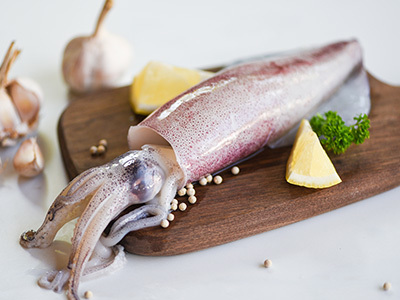
Todarodes Sagittatus, commonly referred to as the European flying squid, is a cephalopod species that has garnered attention within the agricultural food sector, particularly in the domain of seafood and its derivatives. This species is known for its unique adaptations and ecological importance, making it a valuable asset in various culinary traditions. Biologically, Todarodes Sagittatus possesse
Aug 09,2025
Biologically, Todarodes Sagittatus possesses a streamlined body designed for rapid swimming, which aids in escaping predators and catching prey. The squid is characterized by its elongated mantle, large eyes, and distinctive fins that enable agile movement in the water. The species typically reaches maturity at a relatively young age, which is an important aspect for sustainable harvesting practices. Understanding the life cycle of Todarodes Sagittatus can help seafood professionals anticipate population dynamics and ensure responsible sourcing.
In terms of habitat, Todarodes Sagittatus is commonly found in the northern Atlantic Ocean, inhabiting both shallow coastal waters and deeper offshore regions. This versatility in habitat preference allows the species to thrive under varying environmental conditions. Knowledge of their migratory patterns is essential for fisheries management, as these movements can affect their availability and accessibility for harvest.
From a culinary perspective, Todarodes Sagittatus is appreciated for its tender texture and mild flavor, making it a popular choice in various dishes. It can be prepared in numerous ways, including grilling, frying, or incorporating it into soups and stews. The versatility of this squid contributes to its demand in the seafood market, where chefs and food enthusiasts alike seek to utilize its unique attributes in creative recipes.
Sustainable harvesting practices are crucial for maintaining the populations of Todarodes Sagittatus. Seafood professionals should prioritize fishing methods that minimize environmental impact, such as using traps or pole-and-line techniques. Additionally, being aware of seasonal variations in squid populations can aid in making informed decisions when sourcing this seafood.
In summary, Todarodes Sagittatus serves as a significant component of the seafood industry, offering both culinary and economic value. As awareness grows regarding sustainable practices, professionals within the agricultural food sector should remain informed about the biology, habitat, and harvesting methods of this species. By doing so, they can contribute to a more responsible and sustainable seafood supply chain while meeting the demands of consumers seeking quality aquatic products.




Contact Information
Address: No. 1 Haitu Road, Xiangzhi Town, Shishi City, Fujian Province
QR Code

Enterprise official website