No. 1 Haitu Road, Xiangzhi Town, Shishi City, Fujian Province China



Exploring Sustainable Fishing Practices for Round Scad: A Comprehensive Guide
Exploring Sustainable Fishing Practices for Round Scad Table of Contents 1. Introduction to Sustainable Fishing 2. Understanding Round Scad 3. The Importance of Sustainability in Fishing 4. Sustainable Fishing Techniques for Round Scad 5. The Role of Fishermen in Sustainable Practices 6. Consumer Awareness and Sustainable Sourcing 7. Challenges in Sustainable Fishing
Aug 06,2025
Exploring Sustainable Fishing Practices for Round Scad
Table of Contents
- 1. Introduction to Sustainable Fishing
- 2. Understanding Round Scad
- 3. The Importance of Sustainability in Fishing
- 4. Sustainable Fishing Techniques for Round Scad
- 5. The Role of Fishermen in Sustainable Practices
- 6. Consumer Awareness and Sustainable Sourcing
- 7. Challenges in Sustainable Fishing
- 8. The Future of Sustainable Fishing for Round Scad
- 9. FAQs about Sustainable Fishing Practices
- 10. Conclusion
1. Introduction to Sustainable Fishing
Sustainable fishing practices are essential for the long-term health of our oceans and marine life. These practices aim to minimize the environmental impact of fishing while ensuring that fish populations remain healthy for generations to come. As we delve into sustainable fishing, we will focus specifically on Round Scad, a vital species in both commercial and subsistence fisheries.
2. Understanding Round Scad
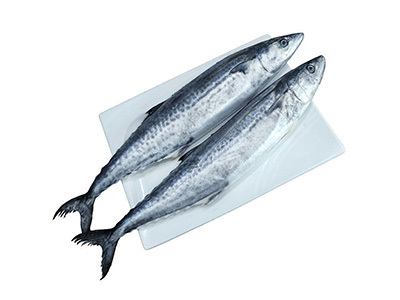
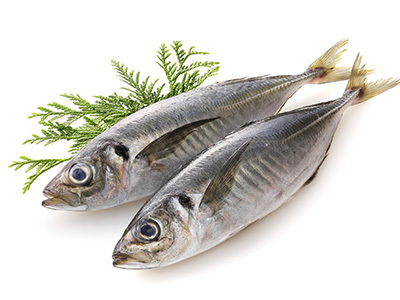
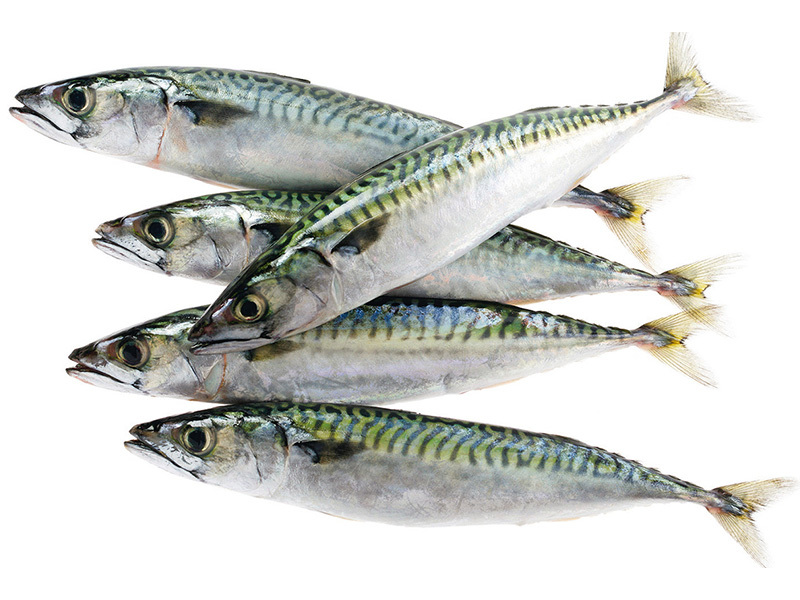
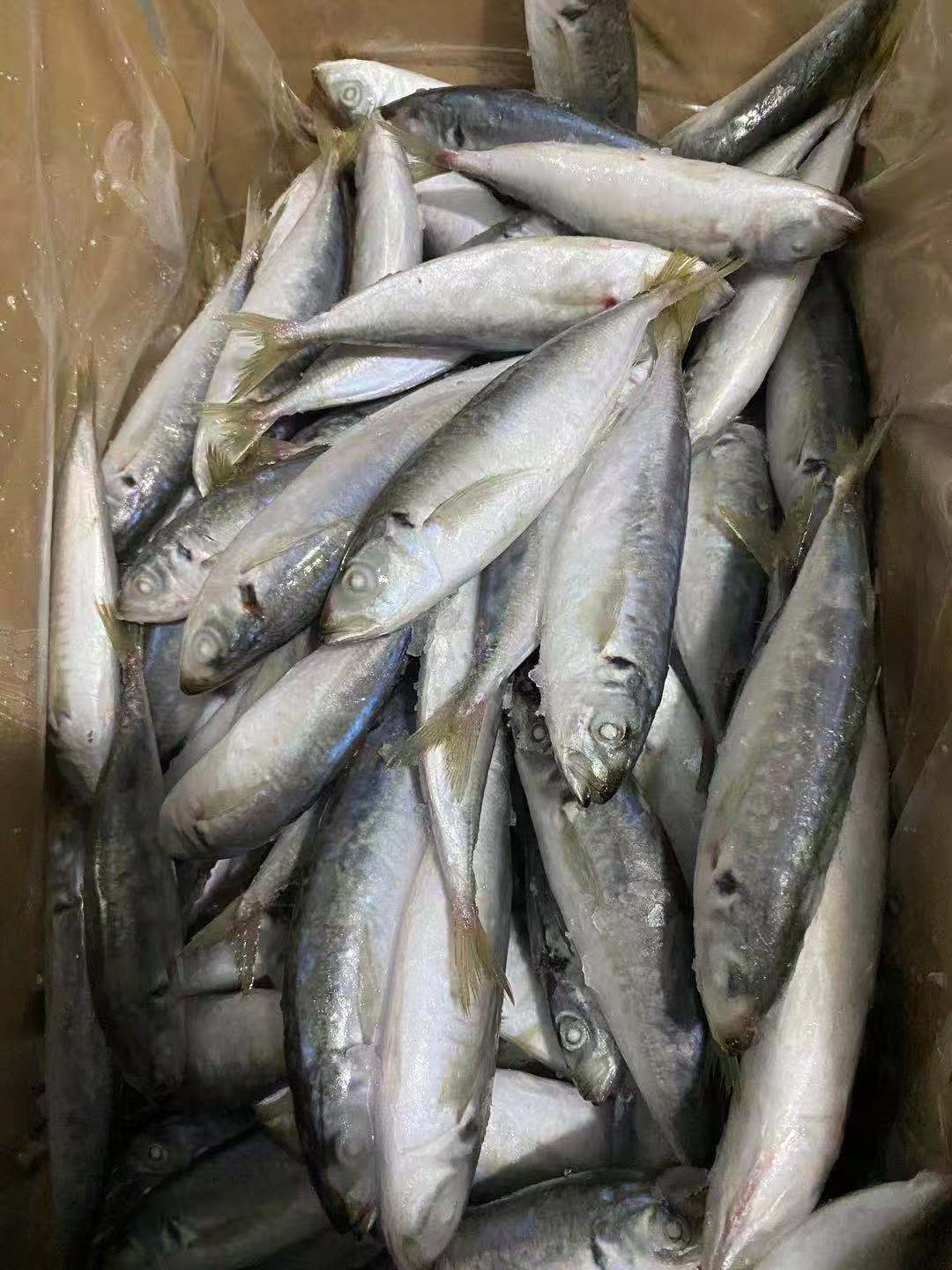
Round Scad (Decapterus spp.) are small, schooling fish found in tropical and subtropical waters. Known for their nutritional value and demand in various markets, Round Scad plays a crucial role in marine ecosystems. Understanding their life cycle, breeding habits, and migration patterns is essential for developing sustainable fishing practices.
2.1 Life Cycle and Habitat
Round Scad are typically found in shallow waters near coral reefs and mangroves. They thrive in warm waters and often migrate in schools, making them accessible to fishermen. Their reproductive cycle is influenced by environmental factors, and overfishing can disrupt their populations if not managed responsibly.
2.2 Nutritional Value
Rich in omega-3 fatty acids and protein, Round Scad is a healthy choice for consumers. Its popularity in various cuisines highlights the need for sustainable sourcing to ensure that future generations can enjoy this nutritious fish.
3. The Importance of Sustainability in Fishing
Sustainability in fishing is crucial for several reasons:
3.1 Preserving Fish Populations
Sustainable practices help maintain fish stocks, ensuring that species like Round Scad do not face extinction. By implementing responsible fishing quotas, we can support the regeneration of these populations.
3.2 Protecting Marine Ecosystems
Overfishing affects not only the target species but also the entire ecosystem. Sustainable fishing practices protect marine biodiversity and contribute to the overall health of ocean environments.
3.3 Supporting Local Economies
Sustainable fishing is not just beneficial for the environment; it also supports local economies. By promoting responsible practices, we can create jobs and ensure fair wages for fishermen while preserving their livelihoods.
4. Sustainable Fishing Techniques for Round Scad
Implementing sustainable fishing techniques is vital for ensuring that Round Scad populations remain robust. Here are various methods that can be adopted:
4.1 Selective Fishing Gear
Using selective fishing gear, such as hook-and-line or traps, minimizes bycatch and reduces damage to the seafloor. This method allows fishermen to target Round Scad without harming other marine species.
4.2 Seasonal Closures
Implementing seasonal closures during breeding periods is an effective strategy to protect vulnerable populations. These closures allow fish to spawn and contribute to the replenishment of stocks.
4.3 Community-Based Management
Engaging local communities in managing fisheries can enhance sustainability. Fishermen who are invested in their resources are more likely to adhere to sustainable practices and advocate for their importance.
4.4 Use of Technology
Modern technology, such as GPS and sonar, can help fishermen locate schools of Round Scad more efficiently. By using this technology responsibly, we can minimize fuel consumption and reduce the carbon footprint of fishing activities.
5. The Role of Fishermen in Sustainable Practices
Fishermen are at the forefront of sustainable fishing practices. Their knowledge and experience are invaluable in developing strategies that work in harmony with nature.
5.1 Knowledge Sharing
Fishermen can share insights and experiences about local fish populations and their behaviors. This knowledge is essential for creating effective and sustainable fishing practices.
5.2 Advocacy for Sustainable Policies
Fishermen can advocate for policies and regulations that promote sustainable fishing. By participating in local governance, they can influence decisions that affect their livelihoods and the marine environment.
6. Consumer Awareness and Sustainable Sourcing
Consumers play a vital role in promoting sustainable fishing. By making informed choices, they can support fisheries that prioritize eco-friendly practices.
6.1 Choosing Certified Products
Looking for sustainability certifications, such as the Marine Stewardship Council (MSC) label, ensures that consumers are selecting products that come from well-managed fisheries.
6.2 Supporting Local Fisheries
Purchasing fish directly from local fishermen or markets can help sustain local economies and reduce the carbon footprint associated with transportation.
6.3 Advocacy and Education
Consumers can advocate for sustainable practices by educating themselves and others about the importance of sustainable fishing and its impact on marine ecosystems.
7. Challenges in Sustainable Fishing
While the movement towards sustainable fishing is growing, several challenges persist:
7.1 Overfishing and Illegal Fishing
Overfishing and illegal fishing activities pose significant threats to Round Scad populations. Stricter enforcement of regulations is needed to combat these issues effectively.
7.2 Climate Change
Climate change affects marine ecosystems and fish populations. Rising ocean temperatures and changing currents can disrupt the habitats of Round Scad and other species.
7.3 Economic Pressures
Economic pressures may lead fishermen to prioritize immediate profits over sustainable practices. It is essential to create incentives for adopting sustainable methods.
8. The Future of Sustainable Fishing for Round Scad
The future of sustainable fishing for Round Scad depends on collective efforts from all stakeholders involved.
8.1 Collaborative Research
Investing in collaborative research between scientists, fishermen, and policymakers can lead to better management strategies and practices.
8.2 Policy Development
Governments must develop policies that promote sustainability and offer support to fishermen transitioning to eco-friendly practices.
8.3 Awareness Campaigns
Awareness campaigns can help educate the public about the importance of sustainable fishing and encourage responsible consumption.
9. FAQs about Sustainable Fishing Practices
9.1 What are sustainable fishing practices?
Sustainable fishing practices aim to maintain fish populations and protect ecosystems while allowing for responsible harvesting to meet human needs.
9.2 Why is Round Scad important?
Round Scad is a vital species in marine ecosystems and provides significant nutritional value, making it essential for both ecological balance and human diets.
9.3 How can consumers support sustainable fishing?
Consumers can support sustainable fishing by choosing certified products, purchasing from local sources, and advocating for responsible fishing practices.
9.4 What challenges do sustainable fishing practices face?
Challenges include overfishing, climate change, and economic pressures that may deter fishermen from adopting eco-friendly practices.
9.5 What role do fishermen play in sustainability?
Fishermen provide valuable insights, advocate for sustainable policies, and can lead by example in adopting responsible fishing practices.
10. Conclusion
Sustainable fishing practices for Round Scad are vital for ensuring the health of marine ecosystems and the future of fishing communities. By understanding the importance of sustainability, implementing responsible fishing techniques, and fostering awareness among consumers, we can contribute to a thriving ocean environment. Together, we can support the sustainability of Round Scad and other vital marine species, ensuring that they remain available for future generations to enjoy. By taking collective action and embracing sustainable practices, we contribute not only to the health of our oceans but also to the well-being of communities that rely on these resources.
TAG:




Contact Information
Address: No. 1 Haitu Road, Xiangzhi Town, Shishi City, Fujian Province
QR Code

Enterprise official website